
Big Win for Government as Supreme Court Backs Kenya-Japan Tax Deal
Share

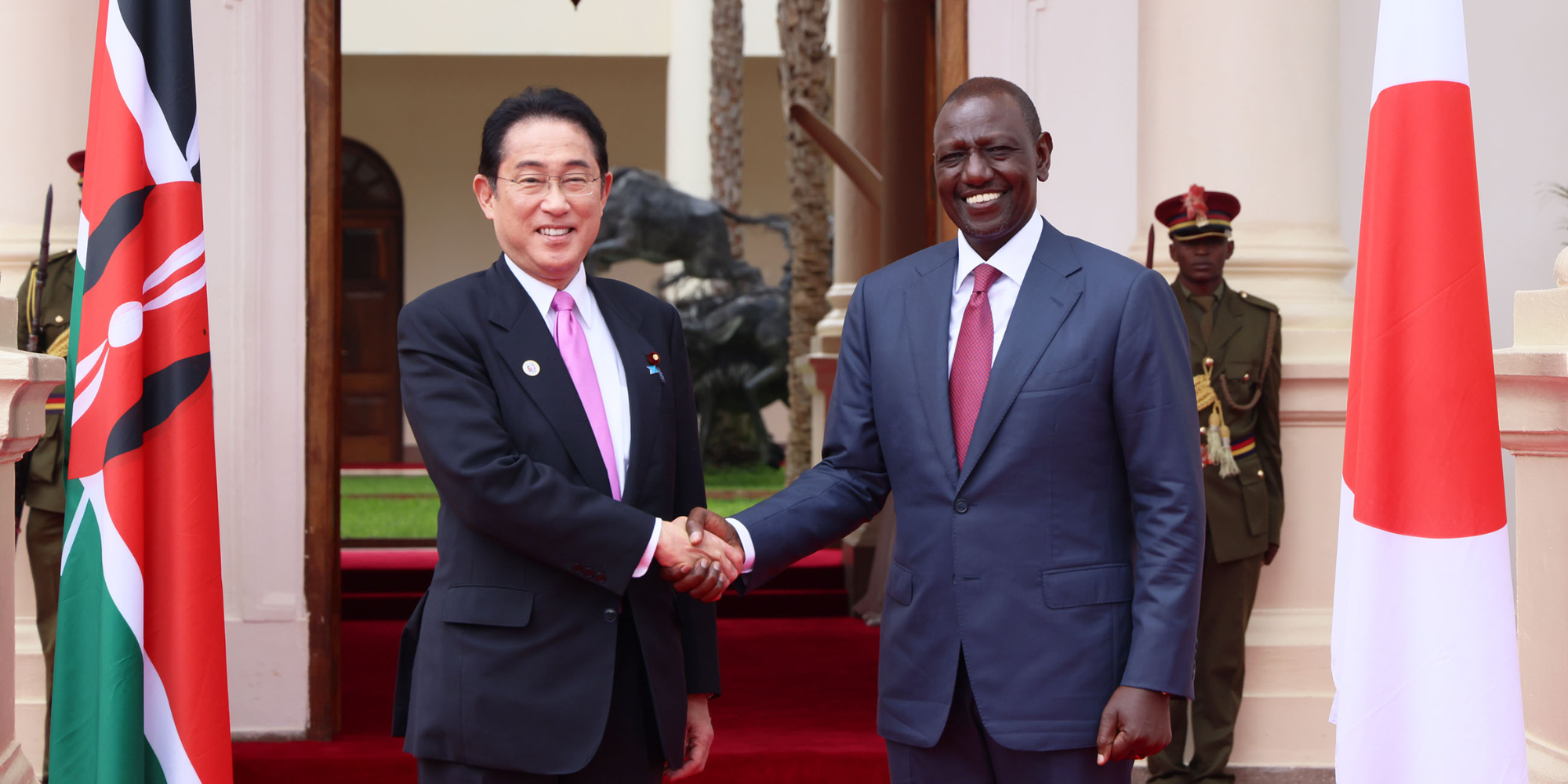
The Supreme Court has dismissed an appeal challenging tax exemptions under the Kenya-Japan Tax Deal, affirming the government’s position and upholding the legality of the waivers granted to Japanese firms involved in development projects.
Eliud Karanja Matindi filed the case against the Speaker of the National Assembly, the Commissioner General of the Kenya Revenue Authority and the Office of the Attorney General, challenging Legal Notice No. 15 of 2021.
He argued that the notice unlawfully operationalized tax exemptions for Japanese companies, consultants and employees working on key infrastructure projects across the country.
“The agreements herein were entered into before the current Constitution and covered the period from 2007 to 2020. The former Constitution was silent on the process of treaty ratification but conferred executive powers on the President to do so,” the judges ruled.
Specifically, the exemptions cover major projects such as the improvement of power distribution systems in Nakuru and Mombasa, the Special Economic Zone near Dongo Kundu, the Olkaria I Unit 4 Geothermal Power Project, and the Mwea Irrigation Development Project.
Lower Courts Had Also Dismissed the Kenya-Japan Tax Deal Case
Earlier, Matindi argued that the tax waivers violated Article 210(1) of the Constitution, which requires any tax imposition, waiver, or variation to rest on legislation.
He also claimed that the National Assembly breached the Constitution, the Statutory Instruments Act, and the Income Tax Act by approving the exemptions through a legal notice instead of an Act of Parliament.
However, the High Court and later the Court of Appeal dismissed the petition and the subsequent appeal in the Kenya-Japan Tax Deal case, paving the way for the final decision by the Supreme Court.
Also Read: LSK Orders Nationwide Boycott of Court Proceedings
Supreme Court Finds Process Was Lawful
In its judgment, the five-judge bench found that the process leading to the publication and implementation of the legal notice complied with the law and aligned with the constitutional framework in place when the agreements were signed.
“There was no law that required parliamentary approval as a prerequisite for treaty ratification, and constitutional checks and balances operated through Parliament’s role in passing legislation to give effect to treaties,” the court added.
Also Read: Blow to Mogo as Court Declares Ksh 976,750 Loan Demand Illegal
Court Rejects Claims of Discrimination
Additionally, the Supreme Court addressed claims of discrimination against other investors but noted that Matindi had not specifically pleaded the issue as a prayer for determination.
“Emoluments payable from foreign sources in respect of duties performed in Kenya under a technical assistance or other development services agreement are a tax that can be exempted; the appellant, on this issue, did not prove his case on the balance of probabilities,” the judges ruled.
Follow our WhatsApp channel for instant news updates

The Supreme Court dismissed Eliud Matindi’s appeal in Nairobi, upheld the Kenya-Japan tax deal, and backed KRA and Parliament, ruling the exemptions lawful. PHOTO/ Supreme Court of Kenya X.