EL NIÑO ALERT: Govt Issues Fresh El Niño Warning Ahead of October Rains
Share
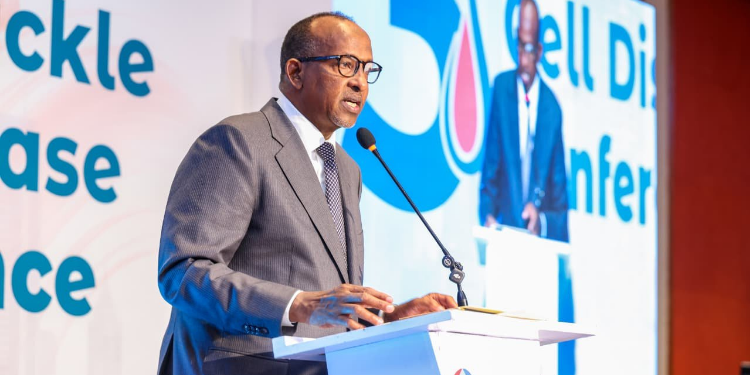
The Ministry of Health has activated preparedness measures across Kenya ahead of the anticipated 2026 El Niño rains, warning of increased health risks associated with heavy rainfall and flooding.
In a press release dated September 14, the Ministry said the Kenya Meteorological Department has forecast a 99% probability of above-normal rainfall between October and December 2026, with the rains expected to continue into February 2027.
As a result, the Health Ministry has issued a health advisory to all 47 counties and urged county governments, partners and members of the public to take early action to prevent disease, injuries and loss of life.
Ministry of Health Outlines Measures for High-Risk Counties
According to the Ministry, heavy rainfall and flooding could contaminate water sources and create conditions favourable for mosquito breeding, increasing the risk of cholera, typhoid and other diarrhoeal diseases, as well as malaria, dengue fever and Rift Valley fever.
Flooding could also result in injuries and drowning, damage health facilities and disrupt access to essential healthcare services.
The Ministry further warned that disruptions to food supplies could increase the risk of malnutrition, particularly among children, while warmer conditions could contribute to dehydration and other heat-related illnesses.
In addition, the Ministry urged counties at higher risk of flooding, landslides, disease outbreaks, injuries or malnutrition to strengthen their preparedness without delay.
County governments have been directed to activate emergency coordination teams and Public Health Emergency Operations Centres, identify and protect health facilities at risk of flooding and ensure adequate supplies of medicines, vaccines and other essential commodities.
Also Read: Kenya Met Warns of Rainfall Across Several Counties as El Niño Looms
They have also been asked to strengthen disease surveillance, monitor drinking water safety, enhance malaria prevention and mosquito control, and prepare ambulances, referral services and emergency response teams.
Counties are further expected to maintain essential health services, particularly for vulnerable populations, provide mental health and psychosocial support, and share timely information with the public.
Areas at Higher Risk Identified
The Ministry identified several areas requiring particular attention because of their exposure to flooding and other hazards.
These include Mandera, Wajir, Marsabit and Garissa in the North Eastern region, as well as Kitui, Makueni and Machakos in the South Eastern region.
Along the Coast, the areas highlighted include Lamu, Kilifi, Kwale, Tana River, Taita Taveta and Mombasa.
Other areas of concern include the Kano Plains in Kisumu, Budalang’i in Busia, the Tana Delta, and areas at risk of landslides in Murang’a, Nyeri, Meru, the Gusii Highlands, West Pokot and along the Rift Valley escarpment.
The Ministry said it is acting early based on lessons from previous El Niño emergencies.
“We are acting early and together. We have learnt from previous El Niño emergencies, and our goal is to prevent avoidable deaths, disease outbreaks and disruption of health services,” the Ministry said.
It further said that preparedness and response efforts are being coordinated through the National Public Health Emergency Operations Centre in collaboration with the Kenya Meteorological Department, National Disaster Operations Centre and county governments.
Kenyans Urged to Prepare for Health Risks
The Ministry has urged members of the public to take precautionary measures before the rains intensify.
Kenyans have been advised to drink safe water by boiling or treating water when its safety is uncertain and storing it in clean, covered containers.
Also Read: El Niño Alert: Govt Sets Aside Ksh2.1 Billion to Protect Livestock
The public has also been urged to wash hands with soap and safe water before preparing or eating food and after using the toilet.
Households should cook food properly, eat it while hot, and keep it covered. Members of the public have also been advised to use safe toilets, report sewage leaks, and keep children away from floodwater.
To reduce the risk of mosquito-borne diseases, households have been advised to sleep under treated mosquito nets and remove stagnant water around their homes.
The Ministry also urged families to prepare essential supplies, including prescribed medicines, first-aid supplies, oral rehydration salts, soap and water-treatment products.
Families have further been encouraged to make plans for children, pregnant women, older people, persons with disabilities and people living alone.
Follow our WhatsApp channel for instant news updates.
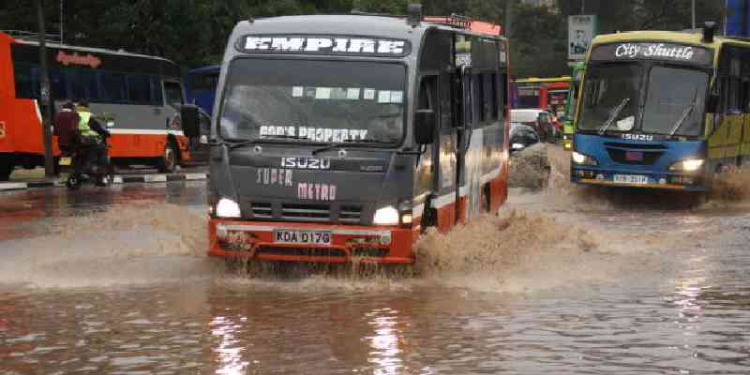
A flooded section of the Kenyatta Avenue roundabout in Nairobi after heavy rainfall. The Standard