

Govt Sets Out Six Strategic Areas to Enhance Kenya-EU Trade
Share

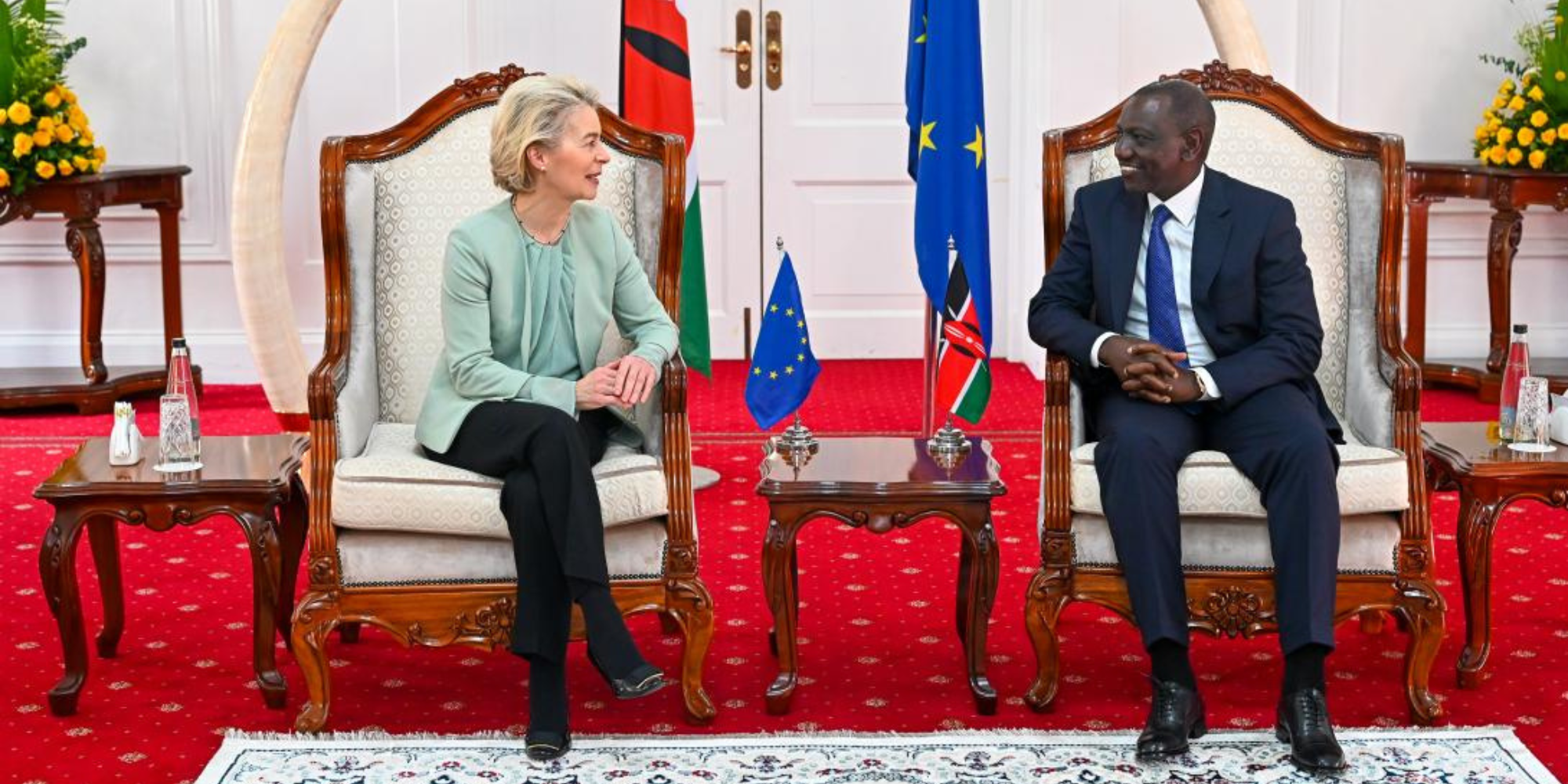
Kenya has launched the Kenya-European Union (EU) Economic Partnership Agreement (EPA) Implementation Strategy, which outlines a comprehensive 10-year plan to help business firms, farmers, manufacturers, and exporters leverage the benefits of the historic trade pact with the European Union.
The strategy, unveiled on July 9, 2026, by the Ministry of Investments, Trade and Industry, lays out the framework for implementing the Kenya-EU EPA, offering Kenyan firms duty-free and quota-free access to the European Union’s 27-member market.
The implementation roadmap was launched two years after the Kenya-EU EPA entered into force on July 1, 2024, and aligns with Kenya’s national development strategy, which includes Vision 2030 and the Bottom-Up Economic Transformation Agenda (BETA).
The roadmap clearly outlines key interventions to be undertaken under six priority thematic areas within the next 10 years.
“The Kenya-EU EPA aims to secure existing markets while unlocking new opportunities for Kenyan enterprises, attracting investment and promoting job creation. This strategy, therefore, serves as a guiding framework to harness the full potential of the EPA,” stated Cabinet Secretary for Investments, Trade and Industry Lee Kinyanjui.
Six Trade Thematic Areas for Implementing EPA
In its implementation strategy, the government has outlined six key thematic areas which it believes can help eliminate trade barriers and enhance Kenya’s export competitiveness and market access.
The six thematic areas include:
- Sanitary and Phytosanitary (SPS) Measures.
- Standards, Technical Regulations and Conformity Assessment.
- Customs and Trade Facilitation.
- Information and Communication Technology (ICT).
- Structured Commodity Trade.
- Trade and Sustainable Development.
According to the Ministry, these pillars should provide a useful guide for the implementation of EPA, and at the same time help achieve sustainable economic growth through increased participation in international trade.
“This Strategy provides an effective roadmap for implementing the EPA, thereby promoting sustainable economic growth, expanding trade, and advancing prosperity for our nation,” Principal Secretary for Trade, Regina Ombam, stated.
Also Read: How the UAE-Kenya Trade Corridor Is Redefining East Africa’s Economic Future
Government Looks for Increased Export Possibilities
According to the government, the implementation strategy demonstrates Kenya’s commitment to creating a resilient, competitive, and sustainable business environment that enables firms of all sizes to access the lucrative EU market.
The officials expect the implementation strategy to help Kenyan exporters take advantage of duty-free and quota-free entry into one of the world’s largest trade blocs, thereby boosting their export performance and increasing private-sector involvement.
EU Ambassador to Kenya Henriette Geiger termed the implementation strategy a crucial step in enhancing economic cooperation between Kenya and the European Union.
“The launch of the implementation strategy is an important step in translating the agreement into tangible opportunities for Kenyan businesses and exporters. The EU remains committed to working closely with the Government of Kenya and the private sector to ensure that the EPA delivers inclusive growth and long-term benefits for both sides,” Ambassador Geiger said.
EU Continues to be the Largest Export Market for Kenya
The European Union remains Kenya’s largest export market and second-largest trading partner, with a combined economic value of approximately $21.2 trillion.
According to figures from the International Trade Centre, Kenya exported goods worth approximately $1.85 billion (KSh 239.3 billion) to the EU in 2025, while imports from the bloc were valued at approximately $1.74 billion (KSh 224.87 billion).
Also Read: UAE Grants Visa on Arrival to Eligible Kenyans Starting June 25
Some of the major exports by Kenya to the EU include live plants and cut flowers, coffee, tea, spices, fruits and nuts, vegetables, animal and vegetable fats and oils, and oil seeds.
Imports from the EU include machinery, mechanical appliances, pharmaceuticals, electrical machinery, motor vehicles, paper, paperboard, and pulp.
Strategy Consistent with the Economic Transformation of Kenya
According to the Ministry of Investment, Trade & Industry, the implementation strategy is very consistent with the long-term development objectives of Kenya as outlined in Vision 2030 and Bottom Up Economic Transformation Strategy of the country.
The trade and investment docket states that through improvements in standards, simplifying customs procedures, enhancing ICT infrastructure, and adopting sustainable trading practices, Kenya can become a competitive exporter.
Follow our WhatsApp channel for instant news updates

Cabinet Secretary for Investments, Trade and Industry Lee Kinyanjui. PHOTO/ File