
How Police Officers Are Promoted in Kenya: From Constable to Senior Ranks
Share

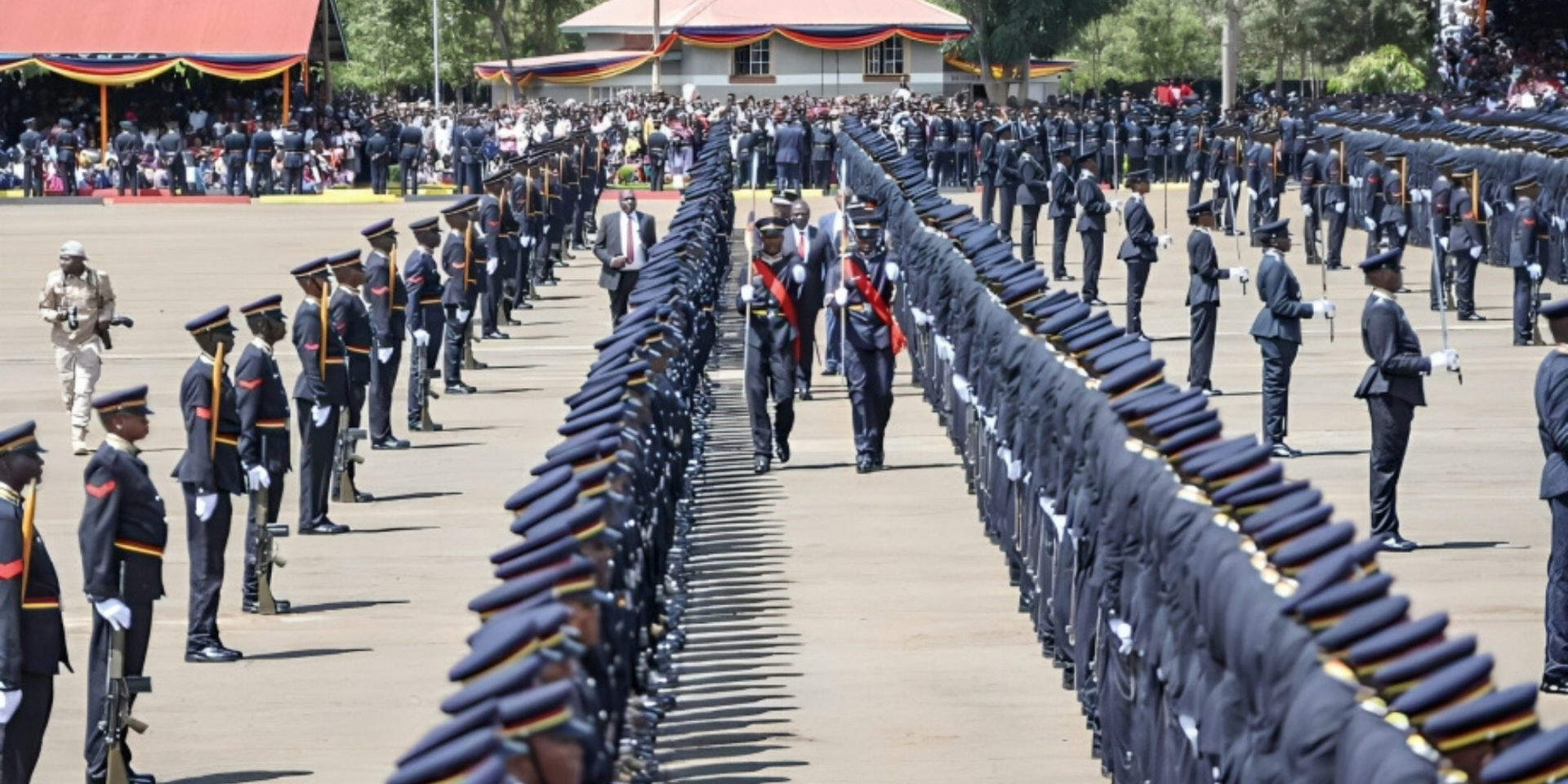
For a police officer in Kenya, moving up the ranks is not simply a matter of serving for a certain number of years.
This is because the National Police Service Commission (NPSC)has a formal promotion system that considers an officer’s performance, qualifications, experience, discipline, training, and suitability for the position.
It also gives the NPSC the overall responsibility for determining promotions, although some promotion functions can be delegated to the Inspector-General.
Police Promotion Starts With Merit
Kenyan police officers are promoted based on merit, meaning career progression is expected to reflect an officer’s competence, performance and suitability for the position they are seeking.
According to the NPSC Promotions Regulations, 2015, length of service alone does not guarantee promotion.
Officers must meet the requirements set for the position they are seeking, while factors such as their qualifications, performance and overall suitability are considered.
Also Read: REVEALED: Why Kenyans Are Not Reporting Crime to Police
This means an officer may serve for many years without automatically moving to the next rank if they do not meet the relevant requirements or if other considerations affecting promotion have not been satisfied.
The regulations also provide that the availability of an appropriate vacancy is considered when determining whether an officer qualifies for promotion.
The Commission states that the availability of a position is an important part of the promotion process because an officer cannot simply move to a higher rank without a corresponding position.
According to the NPSC, this is particularly relevant at the higher levels of the police hierarchy, where the number of positions becomes smaller as the ranks become more senior.
NPSC Says Training Can Support Promotion But Does Not Guarantee It
Training is another factor that can influence an officer’s promotion, particularly when preparing for higher ranks.
However, completing a promotional course does not automatically guarantee promotion.
In May 2025, the NPSC conducted promotional interviews for 132 police officers in the rank of Chief Inspector who had completed the Higher Training Course and Senior Training Course.
The six-month training, conducted at the National Police Service training campuses in Kiganjo and Emali, was intended to prepare officers for leadership roles within the service.

IG Kanja while attending a consultative meeting with IEBC at Westlands Nairobi on May 15, 2026
PHOTO/NPS
During the promotional interviews, the officers were assessed on areas including governance, financial management, communication skills, ethics, leadership and management, and general police work.
The Commission also considered their academic qualifications and discipline.
The NPSC stated that undergoing promotional training does not automatically entitle an officer to promotion. Instead, the training is considered alongside other requirements for the position, ensuring that promotion is based on a broader assessment of an officer’s qualifications, merit and suitability.
Although the officers were assessed on areas including governance, financial management, communication skills, ethics, leadership and management, general police work as well as their academic qualifications and discipline, the commission stated that undergoing promotional training does not automatically entitle an officer to promotion.
Instead, the training is considered alongside other requirements for the position.
Also Read: Meet Wilfred Munuve, the Police Drill Master Who Has Trained Recruits for 20 Years
Further, NPSC notes that an officer’s professional record and discipline are important considerations in the promotion process.
The regulations provide for performance appraisal, meaning an officer’s work and ability to perform their duties can form part of the assessment for career progression.
Who Determines Police Promotions?
The commission highlights that although some functions may be delegated, it has the overall mandate to determine promotions within the National Police Service.
Under the promotion regulations, promotions at or above the rank of Superintendent are determined directly by the Commission, while certain promotion functions below that level may be delegated to the Inspector-General (IG) subject to conditions set by the Commission.
This means the IG can have a role in identifying and recommending officers for promotion where the relevant functions have been delegated.
Meanwhile, Officers Can Appeal Promotion Decisions since the system provides them with a way to challenge certain decisions.
Under the NPSC Promotions Regulations, an officer can appeal against matters including promotion, failure or delay to promote, and demotion.
This provides a formal avenue through which an officer can raise concerns about a promotion decision rather than relying solely on informal channels.
Follow our WhatsApp channel for instant news updates.
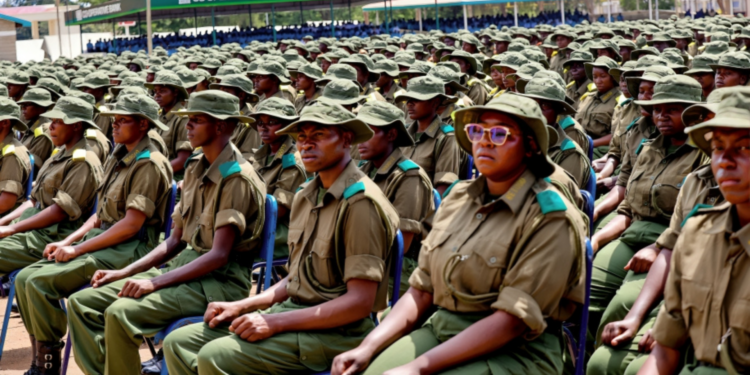
A photo showing police recruits at Kiganjo. Photo/ File