

How to Apply for Export Clearance at Mombasa Port
Share

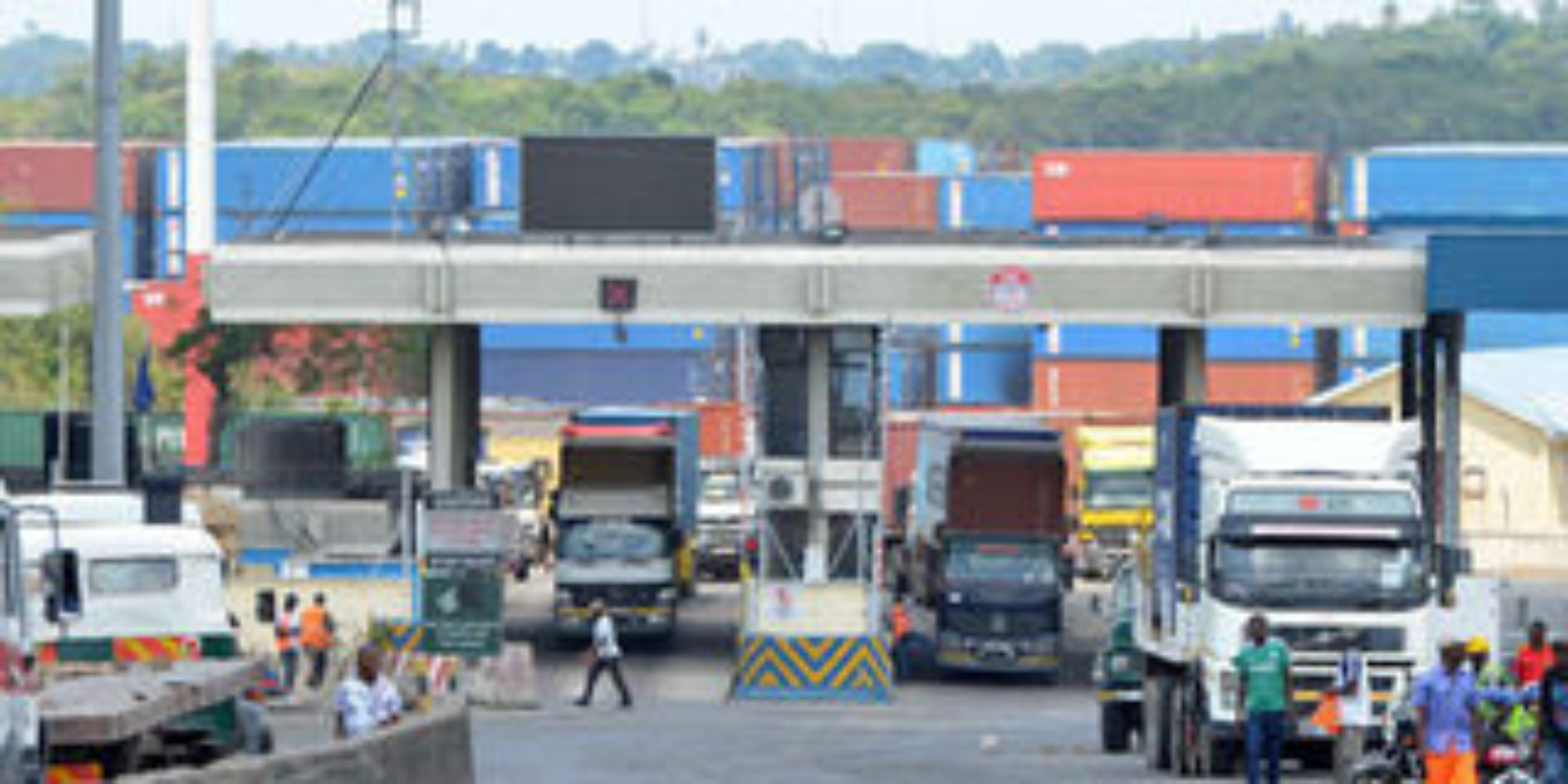
Exporter firms wishing to export their products through the Port of Mombasa must go through an export clearance process which complies with the customs, regulation and shipping requirements.
Since the Port of Mombasa is the major gate through which Kenya’s international trade passes, the port requires that all the exporters comply with all the required legal documentation, licenses, custom declarations and other port-related procedures before loading of the goods onto the ship.
First of all, exporters must engage a licensed clearing and forwarding agent by the Kenya Revenue Authority (KRA) since the Kenyan laws require exporters to deal with licensed custom agents when handling documentation and customs clearance procedure.
The appointed clearing and forwarding agent then books the vessel space and gets the shipping order as well as custom entry along with all the permits using the InfoTradeKenya Portal or KenTrade Single Window system.
Business Registration and Digital System Setup
Before export clearance can begin, exporters must have a legally registered business complete with a valid Kenya Revenue Authority (KRA) Personal Identification Number (PIN) certificate and a valid county business permit.
Business and company registration is undertaken through the eCitizen platform.
Exporters are also required to create an account on the KenTrade Single Window System, an integrated digital platform connecting more than 40 government agencies responsible for processing permits and licences required for international trade.
Also Read:How to Apply for Bankruptcy Protection Through BRS
Product Specific Licences and Certificates
Not all products require the same regulatory permit for export.
Agricultural products need a phytosanitary certificate from the Kenya Plant Health Inspectorate Service (KEPHIS).
Industrial products may require an export licence from the relevant regulatory authority, depending on the product type.
It is also mandatory for exporters to apply for the Certificate of Origin from authorised chambers of commerce or trade organisations.
All these permit applications are made online via the InfoTradeKenya portal in the KenTrade Single Window System.
Export Documentation Preparation and Submission
To aid in the processing of the consignment, the exporter will be expected to submit all the necessary documents to the clearing agent.
The documents submitted will include the commercial invoice, packing list, buyer’s contract, Kenya Revenue Authority PIN certificate, Certificate of Origin, and any special permits that might be needed depending on the product being exported, like the KEPHIS certificate.
The clearing agent will lodge the declaration of exports through the Integrated Customs Management System of Kenya Revenue Authority.
All necessary documentation will be uploaded electronically for the assessment of Customs officials and other relevant government agencies.
The declaration for customs importation sets out the cargo’s Verified Gross Mass (VGM) while establishing if there are any charges on exports or import duties to be paid.
Pre-Advice of Port, Cargo Delivery and Inspection
Upon declaration to the customs, the clearing agent prepares a pre-arrival or receipt advice to the Kenya Ports Authority and pays all relevant charges, such as shore handling charges and wharfage charges.
After clearance of the documents, the loaded truck delivers the cargo to the Port of Mombasa and receives a position slip before gaining entry to the port.
Customs verification of the cargo is done through either physical inspection or scanning using X-rays, based on the risk assessment done by customs.
Also Read:How to Apply for Cargo Storage Extension at Mombasa Port
The process of stuffing, inspecting and sealing the cargo in the containers is done under the supervision of the customs officers either in an approved Container Freight Station or at the Port of Mombasa.
The container seal numbers are captured in the custom system.
Export General Manifest and Final Release
Before the ship sails, the shipping company files the Export General Manifest (EGM) with the Kenya Revenue Authority using the exporter’s customs entry number.
Once the clearance processes, checks, and requirements of the cargo are met, the Kenya Revenue Authority and the Kenya Ports Authority grant electronic cargo release using the KWATOS system of the Kenya Ports Authority.
The cargo will then be moved to the stacking yard for onward movement for loading into the ship.
Upon completion of all the procedures required for the export process, the Kenya Revenue Authority will issue an Exit Clearance/Certificate of Export.
Follow our WhatsApp channel for instant news updates
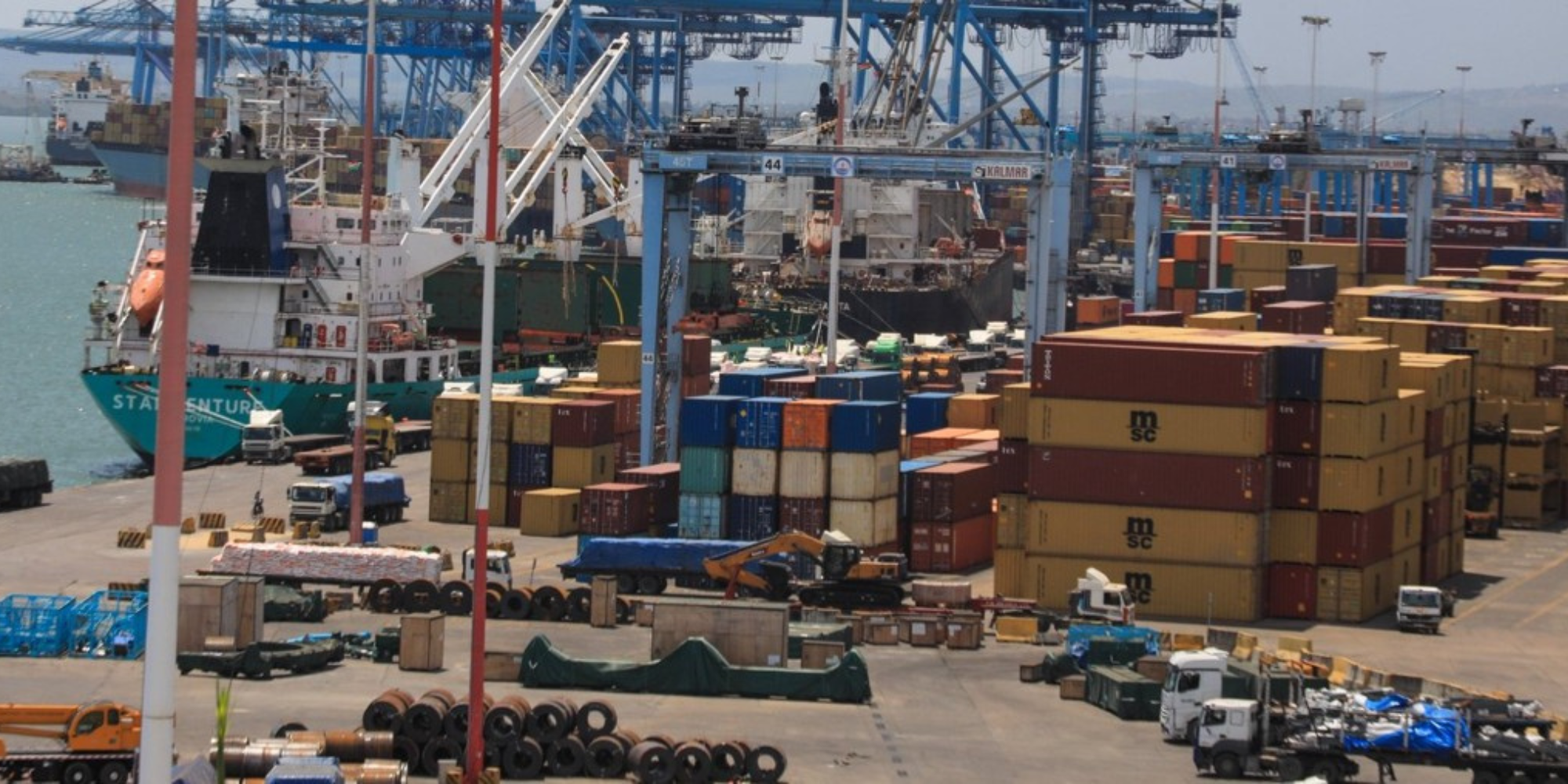
An aerial view of the port of Mombasa loading dock. PHOTO/ KPA