

Kenya Turns to Sugarcane Ethanol to Cut Fuel Prices
Share
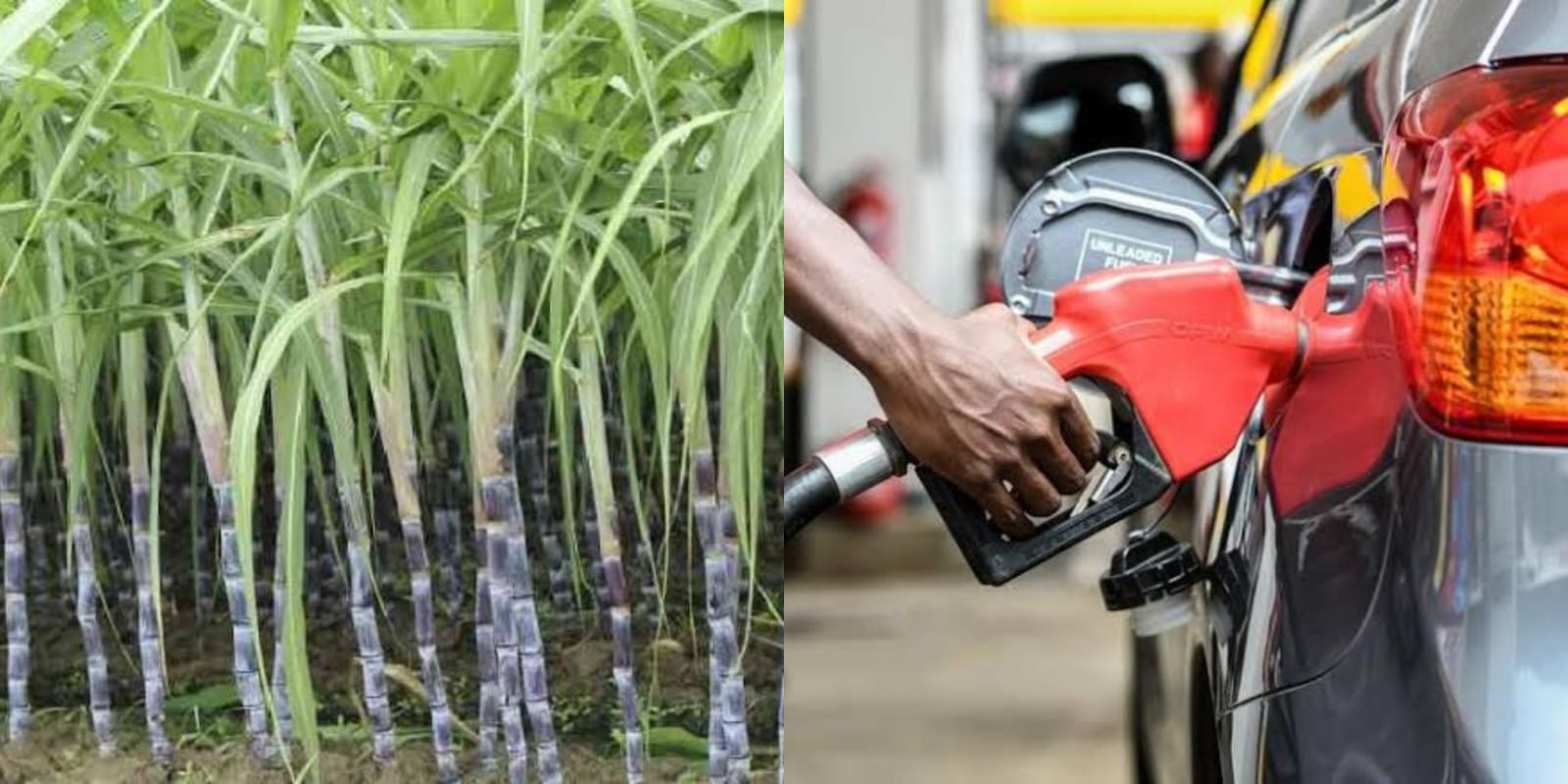
Kenya is turning to sugarcane ethanol production as part of a broader strategy aimed at lowering fuel costs, reviving the struggling sugar sector and creating thousands of jobs in rural areas.
The plan was unveiled during the 68th International Sugar Organisation Seminar held in Diani, Kwale County, where senior government officials signalled a major policy shift that could redefine sugarcane as both a food and energy crop.
Deputy President (DP) Kithure Kindiki said the government intends to review the Sugar Act and existing regulations to formally integrate ethanol production into Kenya’s sugar industry framework.
He noted that the government will work closely with the Energy and Petroleum Regulatory Authority (EPRA) to develop fuel blending regulations.
Sugarcane Ethanol
Agriculture Cabinet Secretary (CS) Mutahi Kagwe said Kenya can no longer rely solely on table sugar while ignoring the broader economic opportunities available within the sugarcane value chain.
“We are now thinking about ethanol seriously from sugar especially with the global disruption of fuel prices,” Kagwe said during the seminar.
Also Read: DCI Arraigns 19 Suspects Over Alleged Ksh14 Billion Sacco Fraud Scheme
Kagwe further stated that the government wants sugar to eventually become “a by-product” rather than the main product derived from sugarcane, signalling a move towards industrial ethanol, renewable energy and other bio-based products.
The reforms are inspired by Brazil’s sugarcane-to-fuel model, where ethanol blending has helped reduce dependence on imported oil and stabilise fuel prices over the years.
Plan For Kenya’s Energy Sector
According to presentations made during the conference, Brazil has replaced more than four billion barrels of gasoline with ethanol over the past five decades.
The government says the new direction could also strengthen Kenya’s energy security, reduce pressure on foreign exchange reserves caused by fuel imports and provide stable markets for sugarcane farmers.
Also Read: Mbadi and CBK Governor Face MPs as Debt Servicing Threatens to Consume 91% of Kenya’s Revenue
Kenya’s sugar industry currently supports millions of livelihoods, particularly in western Kenya, where entire local economies depend on sugarcane farming.
Officials believe the expansion into ethanol production, cogeneration and value addition could modernise the sector and attract new investment.
Follow our WhatsApp channel for instant news updates

CS Agriculture Mutahi Kagwe and Deputy President Kithure Kindiki during the 68th International Sugar Organisation Seminar held in Diani, Kwale County. PHOTO/Mutahi Kagwe X