
Kenyans to Spend More on Electricity Tokens as EPRA Introduces New Charges
Share

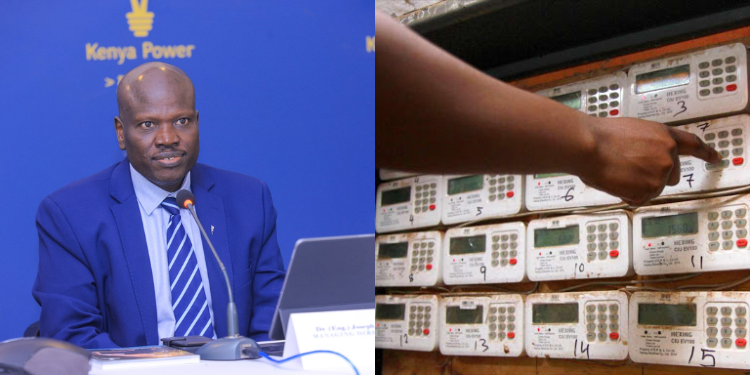
The Energy and Petroleum Regulatory Authority (EPRA) has introduced new pass-through charges for September 2026, adding about Ksh 4.16 per kilowatt-hour (kWh) to electricity bills.
The Fuel Energy Cost Charge accounts for the largest portion at Ksh 3 per kWh. The charge covers the cost of fuel used to generate electricity at thermal power plants, including Kipevu III and Rabai.
Consequently, the Foreign Exchange Fluctuation Adjustment follows at about Ksh 1.14 per kWh. The charge helps power companies offset costs arising from fluctuations in the value of the Kenyan shilling and relates to exchange costs of Ksh 1.32 billion.
Combined, the three pass-through charges add about Ksh 4.16 per kWh to electricity bills. A household that consumes 100 units in a month would therefore incur approximately KSh416 through these charges alone.
This comes after EPRA confirmed that electricity tariffs will remain unchanged after the government withdrew a proposal that could have led to changes in power prices.
In a notice dated Friday, June 5, 2026, EPRA announced that the retail electricity tariff review application submitted by Kenya Power on March 31, 2026, has been withdrawn following consultations within the government and discussions with key stakeholders.
“The current retail electricity tariffs shall remain in force and unchanged unless otherwise reviewed in accordance with the provisions of the Energy Act 2019 and applicable regulatory procedures,” EPRA said.
EPRA Cancels Planned Public Consultations
According to EPRA, the decision was made to prevent a possible increase in electricity costs for households, businesses and industries.
As a result, public consultation forums that had been planned across the country to discuss the proposed tariff review will no longer take place.
Also Read: EPRA Announces Public Consultations on Proposed Electricity Retail Tariffs
EPRA assured consumers and businesses that the withdrawal of the tariff review application will not affect electricity supply across the country.
“Consumers and businesses will continue to receive electricity under the prevailing tariff structure,” the regulator stated.
EPRA further explained that any future review of electricity tariffs must follow the legal process outlined in the Energy Act 2019. This includes technical evaluations, stakeholder consultations and public participation before any changes can be approved.
The authority thanked consumers, county governments, civil society groups, industry players and members of the public who had prepared to participate in the review process.
EPRA said it remains committed to transparency, fairness, consumer protection and stakeholder engagement in carrying out its regulatory mandate.
Why the Government Withdrew the Tariff Review
The withdrawal follows a directive issued by Energy Cabinet Secretary Opiyo Wandayi on June 3, 2026.
Also Read: Relief for Households as Kenya Cancels Planned Electricity Price Hike
In a statement, the Ministry of Energy and Petroleum said the decision was reached after extensive consultations within the government and with sector stakeholders.
The ministry said the move was aimed at protecting consumers from higher electricity costs and easing the burden of the rising cost of living.
Similarly, CS Wandayi said the decision would not disrupt power distribution or service delivery, adding that consumers will continue receiving electricity under the existing pricing framework.
The proposed review was expected to cover the Fifth Tariff Control Period running from 2026/27 to 2028/29.
Follow our WhatsApp channel for instant news updates

Dr. Eng. Joseph Oketch, EPRA CEO. photo/ EPRA/ X