

Parliament Rejects Plan to Cut Top PAYE Tax Rate, Defers Relief for Workers
Share
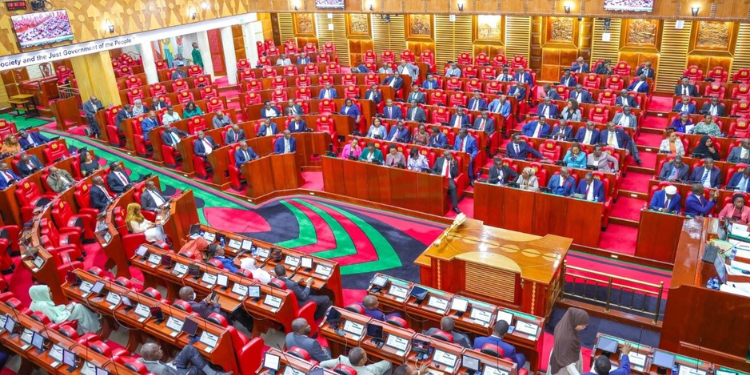
Parliament’s Finance and National Planning Committee rejected a move to reduce Kenya’s highest PAYE tax rate despite months of lobbying by banks, accountants, and economists to reduce the tax on workers.
The Committee, chaired by Molo MP Kuria Kimani, rejected proposals to cut the top marginal rate from 35 per cent to 28-30 per cent and to raise the tax-free threshold from Ksh 24,000 to Ksh 30,000 per month.
Lawmakers deferred the proposals while noting that the National Treasury “should explore the proposal,” delaying relief for low- and middle-income earners.
The decision slashes anticipated revenue from the Finance Bill 2026 as tabled to Ksh 98.5 billion, down from the Ksh 120 billion projected, a shortfall of Ksh 21.5 billion that may lead to increased government borrowing for the Ksh 4.82 trillion budget for the 2026/27 fiscal year.
Also Read: Kenya Set to Receive Ksh 74 Billion EU Support as G7 Moves to Curb Ebola Spread
Proposed PAYE Tax Cut for Economic Growth and Increased Disposable Income
Kenya’s PAYE tax bands are narrow and steep, with high marginal rates applying at much lower incomes than in peer countries, Kenya Bankers Association CEO Raymond Molenje told the committee.
“5 per cent cut to PAYE could inject Ksh 28.1 billion into the economy each year, create 36,000 jobs, and generate Ksh 42 billion in GDP output,” Raymond argued.
The Institute of Certified Public Accountants of Kenya backed the push, arguing that the take-home pay had been squeezed by increased SHIF, housing levy, and augmented NSSF contributions.
“A more progressive tax rate would boost disposable incomes among individuals, enhancing their purchasing power, savings, and investment capabilities, thus driving economic growth,” said FCPA Robert Waruiru.
Also Read: Irungu Kang’ata Explains Why He Joined Linda Mwananchi Instead of Gachagua’s Camp
Tax Bill Amendments: VAT Exemptions Retained, Excise Taxes Adjusted, and New Withholding and Mitumba Taxes Introduced
Instead of reducing income tax, the committee softened other measures in the bill, dropping proposals to shift electric vehicles, solar batteries, sugarcane transport, and animal feed inputs from VAT zero-rated to VAT-exempt status, warning that the move would increase costs and undermine clean energy and agricultural goals.
Lawmakers also scrapped the excise tax on local plastic packaging but maintained a higher excise duty on imported plastics and fruit juices. They rejected a proposal to change the mobile phone excise tax to a point-of-activation model, citing compliance risks.
However, the committee approved an increase in withholding tax on card transactions and digital payments and introduced a 5 percent tax on mitumba income, a move expected to push up the prices of second-hand clothes.
Follow our WhatsApp channel for instant news updates
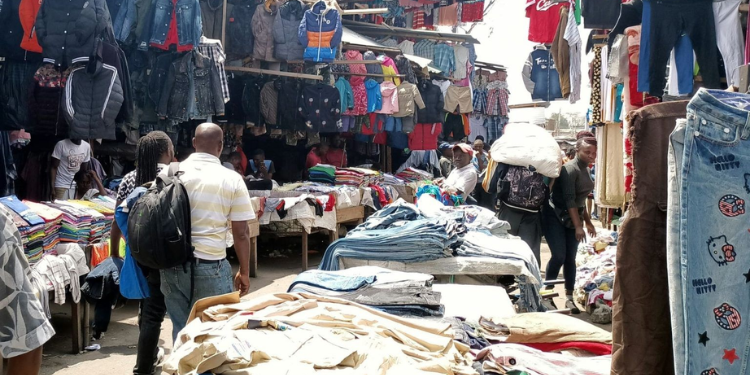
Mitumba traders propose 5 per cent tax to formalise the second-hand clothing sector. Credits File