Kenya Tightens Airport and Port Screening Over Hantavirus Fears
Share

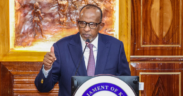
PS for Public Health, Mary Muthoni Muriuki, has called for enhanced preventative surveillance efforts to tackle the Andes strain of hantavirus and urged Kenya to move away from crisis response towards a long-term prevention strategy.
Speaking at the Kenya Health Security Convention held in Mombasa, following the One Health Summit in Lyon and the World Health Summit regional meeting in April 2026, Muriuki emphasized the importance of foresight in dealing with emerging health threats.
According to Muriuki, the One Health approach is central to managing zoonotic diseases-those that transmit from animals to humans.
She directed Community Health Promoters to be at the forefront of risk mitigation at the community level.
PS Muthoni on Preventive Surveillance Effort
Also Read: FIDA Kenya Demands Action After Minors Humiliated in Parliament and Online
“Preventive Infrastructure: The PS underscored the critical role of the One Health approach in controlling diseases that leap from animals to humans. This translates to targeting risks at the local level by utilizing Community Health Promoters to manage dangers posed by rodents when it comes to Hantavirus,” the statement added.
She also highlighted the growing impact of climate change, which is contributing to a higher frequency of outbreaks.
The frameworks established at the One Health Summit will play a significant role in achieving Kenya’s universal health coverage goals.
“Climate & Zoonoses: The PS stressed that increasing health risks due to climate change will likely lead to more frequent outbreaks, hence the importance of the agreements reached at the One Health Summit for Kenya’s pursuit of universal health coverage,” she noted.
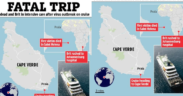
To prevent the spread of the virus into the country, Kenya has increased surveillance at its airports and seaports, focusing on travelers arriving from areas affected by the outbreak along the Atlantic cruise routes.
Stop the Spread of the Virus
“Surveillance at Entry Points: Emphasizing the commitment of the One Health approach to ensure health security across borders, surveillance has been intensified at the country’s airports and seaports to monitor travelers disembarking from impacted Atlantic cruise routes,” Muriuki said.
Also Read: How African Countries Will Benefit from the Africa Forward Summit
The Ministry is actively integrating digital surveillance systems with laboratory services to ensure early detection of any unusual respiratory infections and will implement the National Action Plan for Health Security 2026-2030.
Muriuki described hantavirus as a prime example of a One Health challenge, noting its transmission is directly linked to environmental factors and animal reservoirs.
Rodents, which carry the virus, spread it through their urine and feces, often leading to contamination of dust and surfaces in unhygienic environments.
“Hantavirus is an archetypal One Health issue, as its transmission is entirely contingent on the environment and animal hosts,” she said.
She stated that humans can contract the virus either through direct inhalation of infected particles or in rare instances, human-to-human transmission, particularly with the Andes strain.
Muriuki concluded by saying that Kenya’s ability to withstand emerging health threats is dependent on its capacity to transform global strategies into tangible, local investments.
Follow our WhatsApp channel for instant news updates
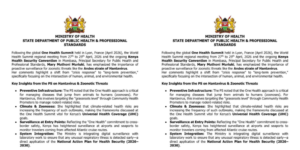
Ministry of Health statement by PS Mary Muthoni Muriuki on proactive surveillance for Andes strain hantavirus. /PHOTO MOH