
“Ruto Should Protect Money Launderers,” Commercial Activist Sholla Ard Says
Share

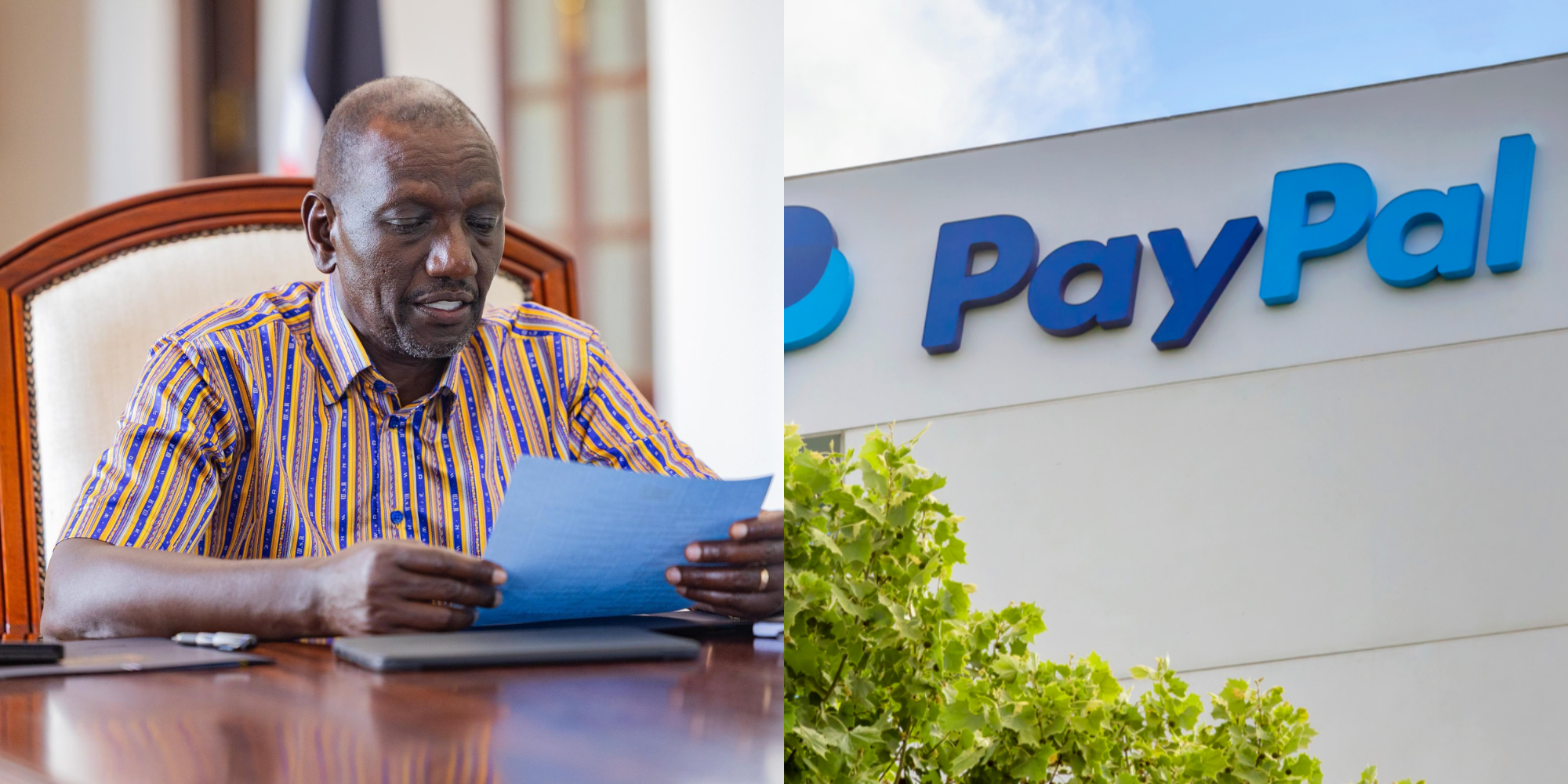
Economic activist Sholla Ard has called on President William Ruto to address growing concerns about money laundering after global payment platform PayPal reportedly began tightening restrictions on Kenyan accounts.
The move follows Kenya’s grey listing by the Financial Action Task Force (FATF), which has raised concerns over money laundering risks and increased scrutiny on financial transactions linked to the country.
According to Sholl Ard, the impact of the restrictions is not being felt by those suspected of moving large sums of illicit money, but rather by ordinary Kenyans.
“PayPal has started cracking down on Kenyan accounts after Kenya, under William Ruto, was grey-listed by FATF over money laundering concerns. And as usual, it is not the people suspected of moving billions who are suffering. It is ordinary Kenyans eg, Freelancers, Online sellers, etc.,” Sholla Ard said.
Shollard Urges Ruto to Act as PayPal Tightens Rules on Money Launderers
She noted that freelancers, online sellers, and other digital workers who rely on international payment systems are the most affected by the tightening measures.
Sholla Ard added that affected users indicate that PayPal is now demanding additional verification documents from many Kenyan account holders.
These include:
- Contracts or proof of work
- Bank statements
- Proof of physical residence
Also Read: Nebz FX Responds To 3 Men Army Over Claims On Forex Traders
However, failure to pass the verification process may lead to account restrictions or suspension.
“According to reports from affected users, PayPal is now demanding additional verification documents from many Kenyan account holders, including contracts, proof of work, bank statements and proof of physical residence. Fail the review and your account can be frozen,” stated Sholla Ard.
Some users have reported submitting the requested documents only to have their accounts permanently limited after further reviews.
Meanwhile, accounts that remain non-compliant face a permanent block after six months, with any holding balance frozen for a minimum of 180 days to cover potential chargebacks or institutional liabilities.
For an online writer or software developer relying on weekly remittances, a six-month freeze is not an inconvenience; it is a catastrophic financial extinction event.

A photo collage of a post by Economic activist Sholla Ard on Facebook.
Country’s Financial Reputation and Its Consequences
She also argued that the tightening of account rules has therefore disrupted income flows for legitimate workers, raising fears about financial stability in the digital economy.
Also Read: EACC to Partner With FBI to Fight Corruption & Crime Networks
Sholl Ard further highlighted that money laundering is not a victimless crime, adding that when a country’s financial reputation is damaged, international companies begin to treat all users from that country as high-risk.
She noted that PayPal is acting under immense pressure from international regulatory bodies to enforce counter-terrorist financing and anti-money laundering protocols.
However, the rigid, automated implementation of these policies fails to differentiate between sophisticated financial criminals and legitimate young Kenyans engaging in the global digital economy.
“When a country’s financial reputation is damaged, international companies start treating everyone from that country as a risk. The billionaire doesn’t feel it first. The politician doesn’t feel it first. The ordinary Kenyan trying to earn an honest living online feels it first. And that is exactly what is happening now,” she said.
Follow our WhatsApp channel for instant news updates

A photo of the PayPal App. Photo/ File