

KALRO Warns of Rising Aflatoxin Levels in Cereals Sold Across Kenyan Markets
Share

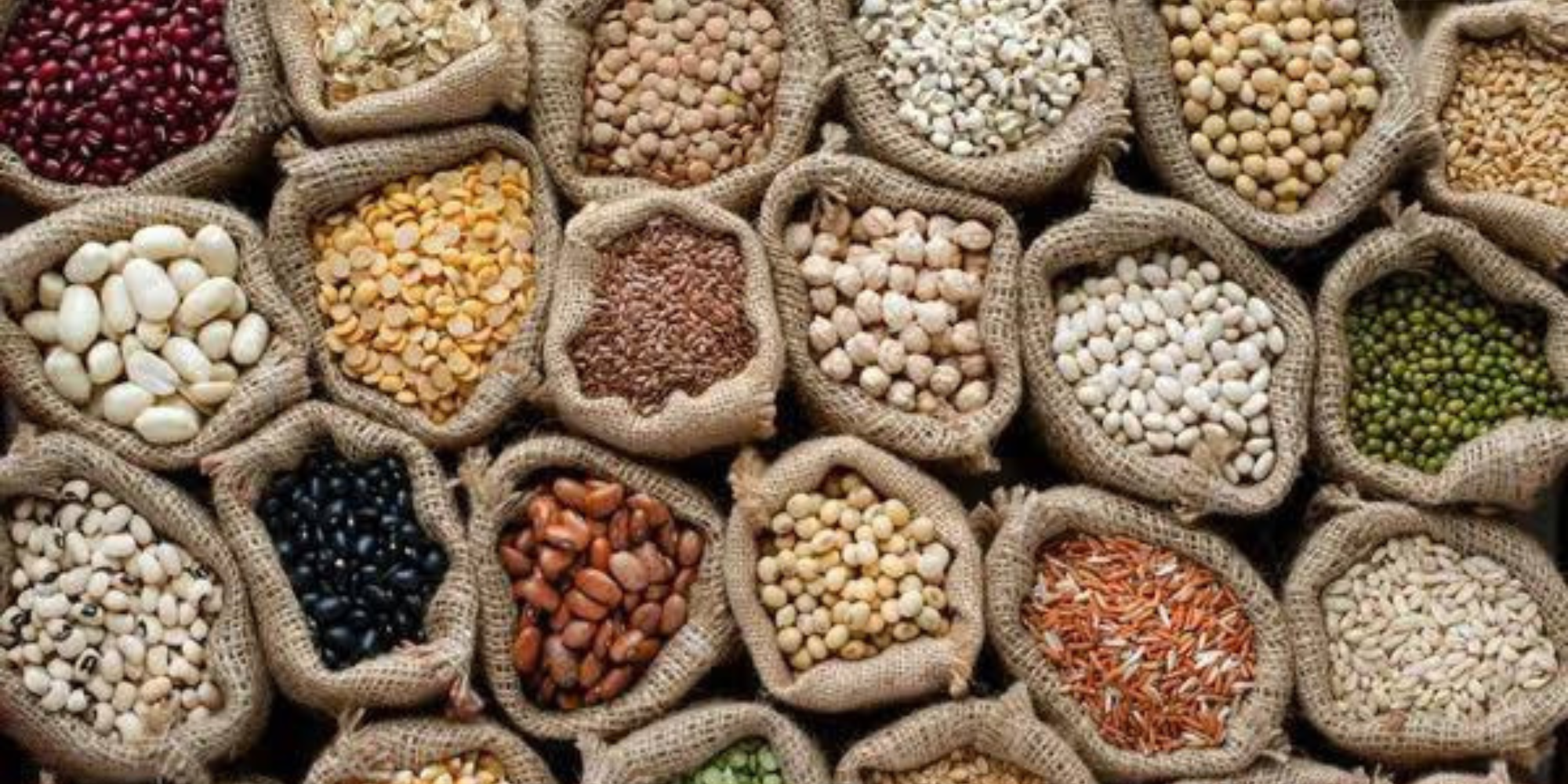
The Kenya Agricultural and Livestock Research Organisation (KALRO) has raised concern over increased levels of aflatoxins in the cereals that are being sold in Kenyan markets, warning that poor drying and storage practices are exposing consumers to serious health risks.
While speaking during the World Food Safety Day event held on June 2 2026, KALRO Director General Patrick Ketiem revealed that tests which were conducted on cereal samples collected from markets showed high contamination levels.
According to KALRO, some samples had aflatoxin levels as high as 500 parts per billion (ppb), which is far above the recommended safety limit of 10 ppb, which was set by the World Health Organization (WHO).
Aflatoxins are toxic substances that are produced by fungi that commonly affect crops such as maize, sorghum, millet, and groundnuts.
What Are Aflatoxins
The toxins thrive when the cereals are harvested prematurely, poorly dried or stored in damp conditions.
Experts warn that the prolonged consumption of this contaminated food can lead to increased risk of cancer, weakened immunity, and liver damage.
KALRO noted that climate change and changing weather conditions are also contributing to the spread of aflatoxin contamination beyond the traditional hotspot regions.
In recent years, cases have increasingly been reported in major grain-producing counties such as Trans Nzoia and Bungoma, areas previously considered relatively safe from severe contamination.
Also Read: Did a $20 Million Settlement Push Cassie Out of the U.S.? What We Know
Farmers Advised by KALRO
The research organisation urged farmers and traders to adopt proper post-harvest handling practices, including adequate drying of cereals before storage.
Experts say cereals should be dried thoroughly to reduce moisture content, which encourages fungal growth.
KALRO has also been promoting the use of Aflasafe KE01, a biological control product that was developed to reduce aflatoxin contamination in maize and other cereals.
Also Read: Kenyan Specialty Tea Farmers Set to Access Global Market After Nairobi Deal Signing
Concerns Of Food Safety
The organisation says the technology has shown effectiveness in suppressing harmful fungi in the soil.
The warning comes amid growing concerns over food safety in Kenya following several recent cases involving contaminated cereals and peanut products found on the market.
Authorities have continued to urge consumers to buy food products from certified dealers and store cereals properly in order to minimize contamination risks.
Follow our WhatsApp channel for instant news updates

Patrick Ketiem,the Director General of the Kenya Agricultural and Livestock Research Organization (KALRO)
PHOTO/KALRO