
LOADING

Type to search

Human Interest

Sakaja Forced to Clarify New Content Creator Fees After Uproar

Share
Sakaja launches fresh Nairobi flood measures as El Niño rains approach, with teams clearing waterways, drainage systems and expanding the Nairobi River.
UPDATE: Nairobi Governor Johnson Sakaja has clarified the new content creation fees following an uproar on social media, with content creators arguing that the county should distinguish between individual content creators and large-scale film productions.

Sakaja explained that the charges target large film productions that arrive with crews, equipment and vehicles and require the temporary closure or controlled use of public roads and other spaces.

“There is a clear difference between a content creator shooting a video for social media and a large film production arriving with a crew, equipment, vehicles and requiring the temporary closure or controlled use of a road. That is who we are targeting,” he said.

He clarified that the fees do not target ordinary content creators, influencers or young people producing digital content.

Instead, the county aims to regulate professional and commercial film productions that require significant use of public spaces and infrastructure.

“These charges were never intended to target ordinary content creators, influencers or young people creating digital content. We intend to regulate professional and commercial film productions that require significant use of public spaces and infrastructure,” Sakaja said.

Nairobi County introduced new fees for content creators, TikTokers, filmmakers, influencers and streaming platforms in the entertainment industry under the 2026 Financial Act.

Under the new fee structure, local production teams will pay Ksh 8,000 per session, while international crews will pay Ksh 50,000 per shoot.

Meanwhile, religious and private shoots will cost Ksh 8,000 per session, while music videos will attract a fee of Ksh 100,000 per project.

Content creators who own content creation hubs or studios will also be required to pay an annual licensing fee of Ksh 40,000.

Streaming Platforms

Further, domestic streaming platforms will pay an annual fee of Ksh 100,000, while general digital content platforms will pay Ksh 80,000 annually.

Influencers who host monetised events will also pay Ksh 10,000 per event.

Media and entertainment businesses that operate television stations will pay Ksh 100,000 per year.

Businesses operating radio stations will pay Ksh 150,000 annually, while cinemas and theatres will pay Ksh 100,000 per year for each screen.

Online entertainment events will attract a fee of Ksh 15,000.

Also Read: Sakaja Explains Why Mothers and Newborns Still Face Delays in Accessing Care


Finance Act 2026

The new charges are contained in the Nairobi City County Finance Act, 2026, which introduced revised licensing and permit fees targeting businesses and individuals operating in the creative and entertainment sector.

These different fees are expected to affect a wide range of players in the digital economy, including TikTok creators, filmmakers, production companies, influencers, streaming services, and entertainment venues operating within Nairobi County.

Implementation of the new fees comes as Nairobi County seeks to increase revenue collection through updated licensing charges across different sectors.

Also Read: Sakaja Signs New Health Law to Give Hospitals More Control Over Their Operations

The new charges are expected to affect Nairobi’s growing creative economy, with content creators, filmmakers and digital platforms now required to pay the fees that is required of them.

However, the new fees are likely to spark debate among content creators and the entertainment industry in general over the cost of operating in the country’s creative economy.

Follow our WhatsApp channel for instant news updates
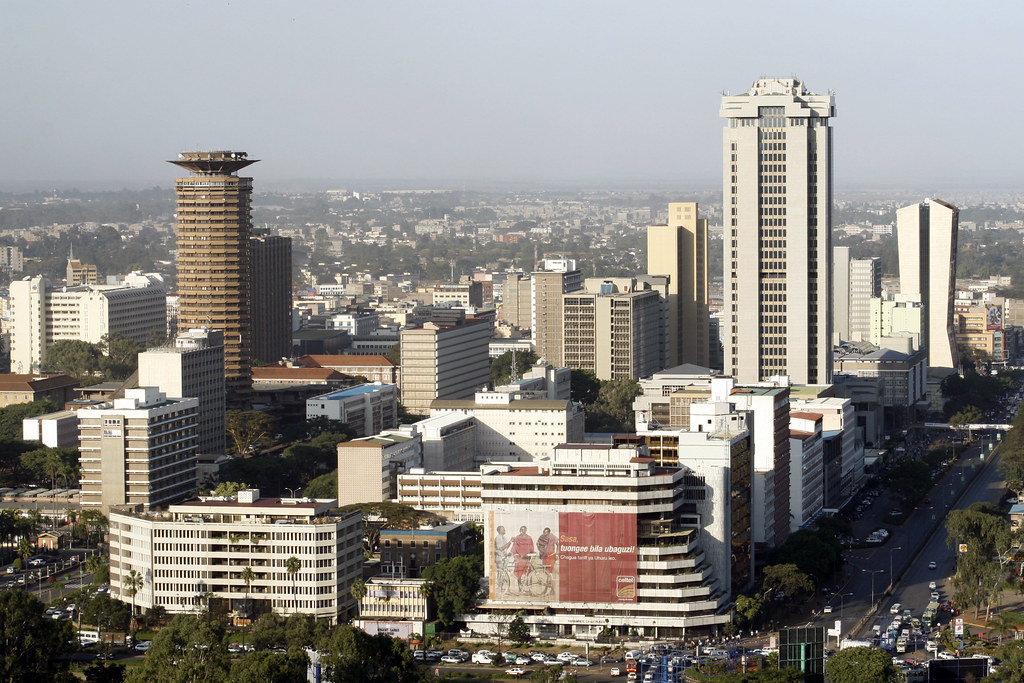
Aerial view of Nairobi City. PHOTO/A

Aerial view of Nairobi City. PHOTO/A

Tags: