
SHA, SHIF and PHCF Explained: Why Your SHA Cover May Not Be Accepted at Every Hospital
Share

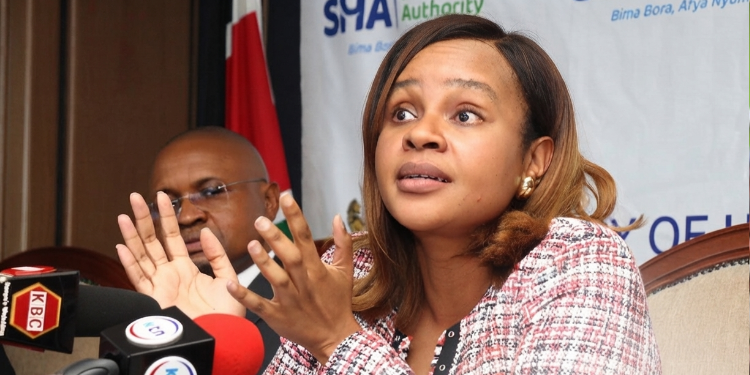
Many Kenyans remain confused about the differences between the Social Health Authority (SHA), the Social Health Insurance Fund (SHIF), and the Primary Healthcare Fund (PHCF).
As a result, some people conclude that SHA does not work when a hospital asks them to pay for treatment or turns them away.
However, these terms describe different parts of Kenya’s health financing system.
SHA is the authority that manages the system, while PHCF, SHIF and the Emergency, Chronic and Critical Illness Fund (ECCIF) are the three funds it administers.
Therefore, understanding how these funds work helps explain why SHA registration does not automatically make every service at every hospital free.
The Primary Healthcare Fund of SHA
The Primary Healthcare Fund (PHCF) finances basic healthcare services and serves as the entry point for many patients.
Under the regulations, patients can access facility-based primary healthcare through Level 2 and Level 3 facilities, as well as designated Level 4 primary healthcare referral facilities contracted by SHA.
In simple terms, Level 2 facilities mainly include dispensaries, while Level 3 facilities include health centres. These facilities handle many common illnesses and provide basic treatment, tests and preventive services.
Moreover, the 2026 Ministry of Health tariff framework provides for primary healthcare services through selected Level 4 facilities.
As a result, a person with an ordinary illness may need to begin treatment at a nearby dispensary or health centre instead of going directly to a major hospital.
The regulations also require a person to register as a member of SHIF to access facility-based primary healthcare under this arrangement.
What Is SHIF?
The Social Health Insurance Fund (SHIF) finances healthcare services beyond basic primary care. It covers services provided through contracted facilities at different levels, including Level 4, 5 and 6 facilities.
When a patient needs treatment that a primary healthcare facility cannot provide, the referral system allows them to access care at a higher-level facility.
The 2026 Ministry of Health framework covers a range of healthcare services under SHIF, including:
- Inpatient care
- Maternity and newborn services
- Renal care
- Mental health services
- Surgical procedures
However, the applicable benefit package and tariff determine what SHIF pays for and the conditions a patient must meet to access a service.
Also Read: EXPLAINED: How SHA Lipa Pole Pole Payment Plan Works
What Is ECCIF?
The Emergency, Chronic and Critical Illness Fund (ECCIF) provides additional support for specific emergency, chronic and critical health needs.
For example, its coverage includes certain services that may extend beyond SHIF limits, including some cancer treatment, rehabilitation, assistive devices for chronic conditions and treatment following kidney transplants.
Unlike PHCF and SHIF, therefore, ECCIF focuses specifically on serious and long-term healthcare needs covered under its package.
Why Does SHA Sometimes Appear Not to Work?
This is where much of the confusion begins, as a patient may have an active SHA registration but still fail to receive treatment at a particular hospital because the service, facility, or route used does not match the applicable SHA requirements.
Kenya’s health system uses a referral pathway as patients can start at primary healthcare facilities and move to higher-level hospitals when those facilities cannot manage their conditions.
For instance, a person seeking treatment for a common illness may start at a nearby dispensary or health centre. If healthcare workers determine that the patient needs more specialised care, they can refer the patient to a higher-level facility.
This approach helps patients receive care at the appropriate level. At the same time, it helps reduce unnecessary congestion at larger hospitals.
However, it is incorrect to say that SHA never covers outpatient treatment at Level 4 hospitals.
Selected Level 4 facilities can provide primary healthcare services under PHCF when SHA has designated and contracted them for that role.
Therefore, the hospital’s level alone does not determine whether SHA will pay. Patients must also consider the type of service, the facility’s contract with SHA, the relevant fund, and any referral requirement.
Also Read: Government Allocates Ksh12.5 Billion to Maternal and Newborn Health
Registration connects a person to the SHA system and helps the government determine eligibility for healthcare services.
The Social Health Insurance Act requires every Kenyan to register as a member of SHIF. For primary healthcare services, patients should also understand where they are expected to begin treatment.
This is important because the current system uses primary healthcare networks rather than allowing patients to freely choose any hospital for every condition.
What Should You Do Before Seeking Treatment?
SHA members can avoid unnecessary problems by taking the following simple steps:
- Confirm that their SHA registration is active.
- Know their designated primary healthcare facility.
- Start at the appropriate primary-care facility for common illnesses.
- Obtain a referral when specialised care is necessary.
- Check whether the facility is contracted for the required service.
- Confirm which fund covers the treatment.
- Ask the facility why a service is not covered before assuming SHA has failed.
Ultimately, SHA, SHIF and PHCF are not three names for the same thing.
Understanding these differences can help Kenyans distinguish between a service that SHA does not cover and a situation where they need to use the appropriate facility or follow the required referral process.
Follow our WhatsApp channel for instant news updates.

SHA building PHOTO/Citizen