

Why Eastleigh Traders Prefer Cash Over M-Pesa Payments
Share

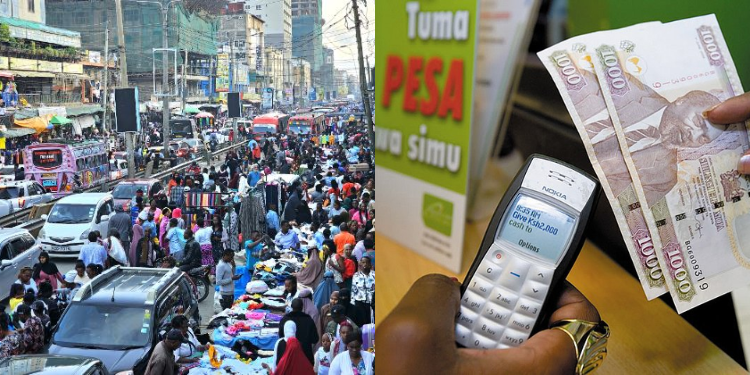
A viral post by content creator Lynn Ngugi has ignited the debate around tax compliance and transparency within Nairobi’s Eastleigh business hub, with traders and commentators engaged in heated exchanges about cash transactions and fairness in regulation.
In her post on Wednesday, Ngugi noted how a majority of Eastleigh shops conduct business almost exclusively using cash.
“You buy something in the majority of those shops, and they want cash,” she tweeted. “If you don’t have cash, they have their own M-Pesa agents they tell you to withdraw from.”
Also Read: Woman Dies After Safety Rope Was Not Attached During Rope Jump in Skeleton Bridge
Insights on the Lack of Transparency and Tax Evasion in a Major Industry
She mentioned that the shops would ask an agent to confirm their customer’s withdrawal before handing over the goods, allowing them to avoid the traceable digital payment trails.
“We’re talking about a multi-billion-shilling industry with very little transparency, accountability or visibility into how money moves,” Ngugi argued, saying such middlemen were “pay zero tax, sell ‘counterfeit goods’,” but the government turned a blind eye to their operations while individuals faced trouble for formalizing their businesses.
Her tweet garnered a lot of questions, reposts, and 486K views in just one day, with responses largely split between a defense of Eastleigh’s operational model and condemnation of what was perceived as uneven enforcement of tax regulations.
Also Read: Kenyan Prince Speaks Out After Viral Video of Him “Wearing” Diapers in Dubai
Discontent Among Eastleigh Traders Regarding Tax Compliance and Perceived Selective Regulation
Commentator LMAO tato shared, “systematic avoidance of Till/Paybill numbers in Eastleigh ensures billions stay entirely off KRA’s radar,” adding that while “local formal retailers are choked by over-regulation and KRA compliance while a massive shadow economy operates with absolute impunity,” legitimate importers and manufacturers were disadvantaged by the “unlevel playing field.”
Others differed, with Hamza Dagane noting, “it’s not obligatory to use M-Pesa. In fact, it’s very expensive for a business to use one.”
Eastleigh trader @TSneakerzzz said they paid for “monthly and annual permits and licenses”, and asked, “BONA EASTLEIGH HAWANA??? How are we operating on the same business, selling the same things..were expected to be competitive lakini mimi nalipia extra?”
Ropem added that the issue was a major reason why Kenya’s tax base remained low.
“The government goes after the low-hanging fruit (salaried employees and registered SMEs) because auditing cash-based, multi-billion-shilling cartels is too difficult or politically inconvenient.” She stated.
Ngugi agreed and responded with “Absolutely” and later added, “The questions they don’t want us asking.”
The conversation points to increasing discontent amongst formal traders with the cost of compliance and the perception that the government is applying regulations selectively.
Follow our WhatsApp channel for instant news updates.
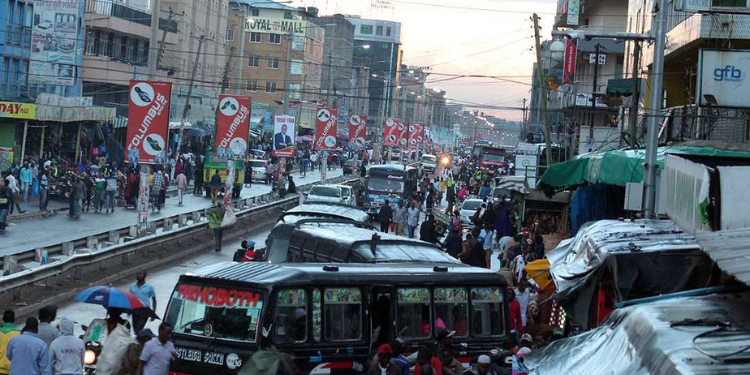
A Photo Image of Eastleigh, Nairobi, Kenya. Credits Files.