Senate Debates New Bill to Set Clear Rules and Timelines for Referendums in Kenya
Share
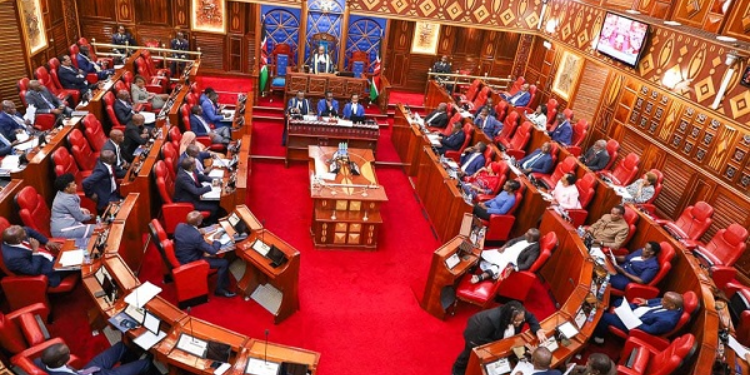
A new legislative proposal aimed at streamlining how referendums are conducted in Kenya is currently under review in the Senate.
Lawmakers say the initiative is intended to improve clarity, consistency, and transparency in the process of constitutional amendments.
The bill, sponsored by Senator Hillary Sigei, is titled the Referendum Bill.
If passed, it would establish clear procedures to guide the country whenever a referendum is required.
Referendum According To Constitution
This is mostly in matters that touch on constitutional changes that must be approved directly by the public.
According to the proposed Bill, a referendum would be considered in line with the provisions that are under Article 255(1) of the Constitution, which outlines the issues that require direct approval by the voters.
Also Read: ODM Responds to Orengo’s Claims of Helping Recover Ksh 12 Billion Owed by Government
These include changes to the sovereignty of the people, the national values and principles of governance, the Bill of Rights, and the President’s term of office, among others, in the constitution.
Under the bill, which is proposed by Senator Hillary Sigei, once Parliament passes a constitutional amendment Bill requiring a referendum, the President would be required to act within a defined timeline.
Proposed Timeline For A Referendum
Specifically, the president would have 30 days from the date of receiving the Bill to formally notify the Independent Electoral and Boundaries Commission (IEBC) to organise the vote.
The electoral body would then be mandated to conduct the referendum within 90 days of receiving the notification.
These timelines, according to the bill, are intended to prevent unnecessary delays and ensure that the will of the people is followed and determined within a reasonable period of time.
Kenya has conducted referendums in the past under different legal and administrative arrangements, often relying on a combination of the constitutional provisions and the electoral laws.
What Happens If Enacted
If enacted, the Referendum Bill would mark a significant step in formalising the country’s approach to direct democracy.
Also Read: Amsons MD Edha Nahdi Hails Tanzania–Kenya Synergy as Key Driver of Regional Economic Growth
The Senate is expected to debate the Bill in the house to weigh in on its provisions before it proceeds to the next stages of the legislative process.
Follow our WhatsApp channel for instant news updates

Senator Hillary Sigei who proposed the referendum bill.
PHOTO/Parliament X