
Kenya Inflation Rises to 6.7% as Tomatoes, Fuel and Transport Costs Soar
Share

Kenya’s inflation rate rose to 6.7% in May 2026, up from 5.6% in April 2026, according to the latest inflation highlights released by the Central Bank of Kenya in collaboration with the Kenya National Bureau of Statistics.
The increase reflects sharp price movements in food, transport, and fuel-related commodities, even as some household costs recorded slight declines.
Food items recorded the strongest inflationary pressure, pushing up household spending across the country.
Tomatoes surged by 45.7%, while cabbages increased by 37.8%, reflecting tightening supply in key markets.
In addition, beef with bone rose by 11.0%, increasing pressure on household budgets for essential proteins.
Meanwhile, cooking oil increased by 2.0%, and sifted maize flour rose by 1.4%, showing continued pressure on staple food baskets.
However, some relief emerged as sugar prices dropped by 5.0%, while non-aromatic white rice declined slightly by 0.1%, helping to soften overall food inflation.
Also Read: Gold and Fuel Among Commodities Whose Prices Decreased In the Last Week of May
Inflation Rises on Fuel and Transport Costs
Fuel prices also recorded significant increases, adding further pressure to the cost of living.
Diesel rose by 41.2%, while petrol increased by 22.7%, driving up transport and production costs across sectors.
Consequently, transport inflation followed, with city bus and matatu fares rising by 25.0%.
The increase affected daily commuting costs, especially for urban households that rely on public transport.
Also Read: CBK Report: Global Oil Prices Surge as Kenya Shilling Holds Steady
Mixed Relief in Utilities and Core Basket
Electricity prices offered some relief during the period under review.
Prices for 50 kilowatts dropped by 3.4%, while 200 kilowatts declined by 5.0%, easing pressure on household utility bills.
At the same time, core inflation remained moderate at 3.2%, indicating relatively stable price movements in less volatile goods and services despite external shocks.
Overall, inflation trends continue to reflect global fuel price movements and domestic supply chain challenges.
These pressures have increased the cost of moving goods across markets, affecting final consumer prices.
As inflation persists, attention is shifting toward strengthening infrastructure systems, particularly transport and energy networks, to stabilize supply chains and help ease long-term price pressures across the economy.
Follow our WhatsApp channel for instant news updates
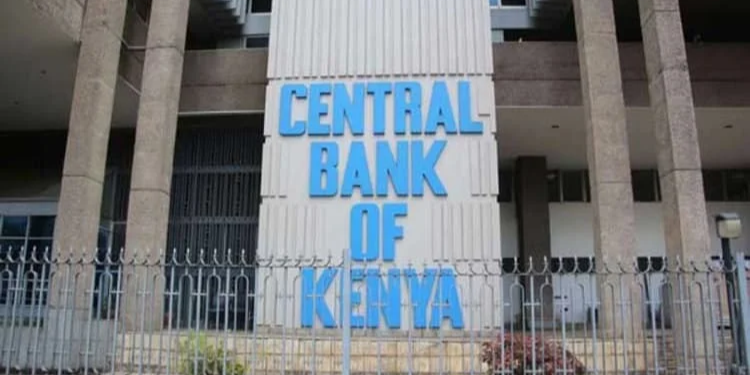
Central Bank of Kenya Office Building in Nairobi
PHOTO/CBK