

Kenya Budget 2026/27: Expenditure, Revenue, Deficit, Borrowing, and Debt Explained
Share

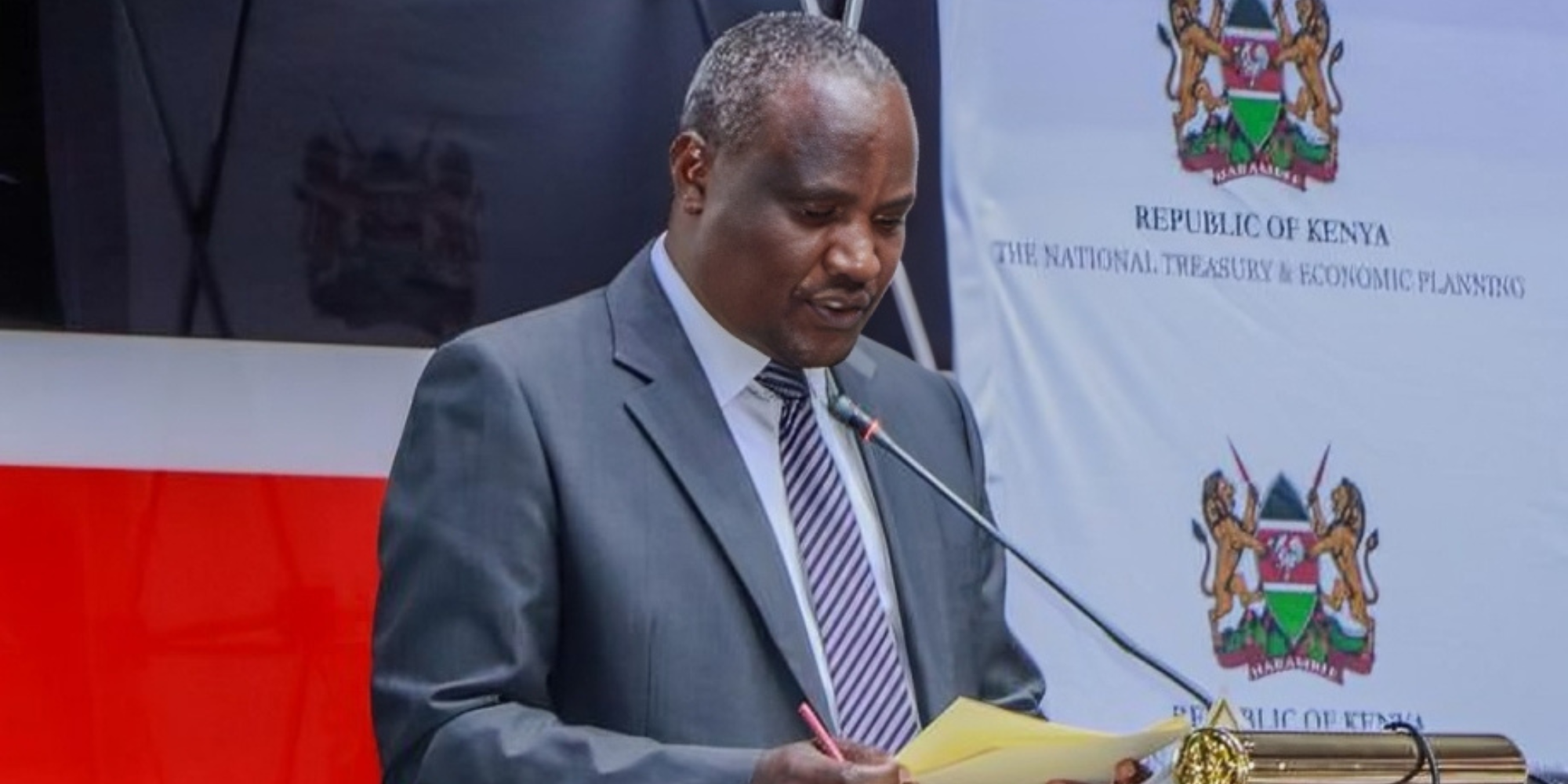
The 2026/27 national budget outlines how the government plans to balance spending, revenue collection, borrowing, and debt management in the coming financial year 2026/27.
The government plans to spend about Ksh 4.7 trillion in the 2026/27 financial year, reflecting an increase from the previous financial year.
2026/27 Budget: Government Expenditure and Revenue Projects
According to the national treasury, the spending is distributed as follows:
- Ksh 3.46 trillion will be used for recurrent expenditure, covering salaries, operations, and debt servicing
- Ksh 749.5 billion for development projects such as infrastructure, housing, and key economic programmes
- Ksh 495.7 billion allocated to county governments
- Ksh 2 billion set aside for the Contingency Funds
CS John Mbadi stated that the total revenue for the 2026/27 financial year is projected at around Ksh 3.48 to 3.5 trillion, mainly driven by tax collections and other government income streams.
However, despite ongoing tax administration reforms and efforts to widen the tax base, revenue growth remains below expenditure levels, maintaining a persistent financing gap.
Also Read: EXPLAINED: Understanding the Difference Between Budget and Finance Bill
Treasury on Deficit and Borrowing Plans
According to the budget, the gap between projected expenditure and revenue results in a budget deficit of about Ksh 1.1 trillion, which the government will finance through both domestic and external borrowing.
Domestic borrowing is expected to remain the main source of financing, with the government relying on local banks, pension funds, and financial markets.
External borrowing will complement this through loans from multilateral institutions and development partners.
Also Read: Ruto Signs Ksh 393Billion Budget Boost to Fund Security, Housing and Education
As Kenya continues to face public debt obligations, a large portion of government expenditure is directed toward debt servicing.
The budget reveals that a substantial share of recurrent expenditure goes toward repaying loans and interest obligations, leaving a limited amount for development spending and new capital projects.
Follow our WhatsApp channel for instant news updates
A screengrab of CS John Mbadi reading the 2026/27 budget. Photo/ file