
Inside the 2026/27 Budget: How Trillions Are Split Across Key Sectors
Share
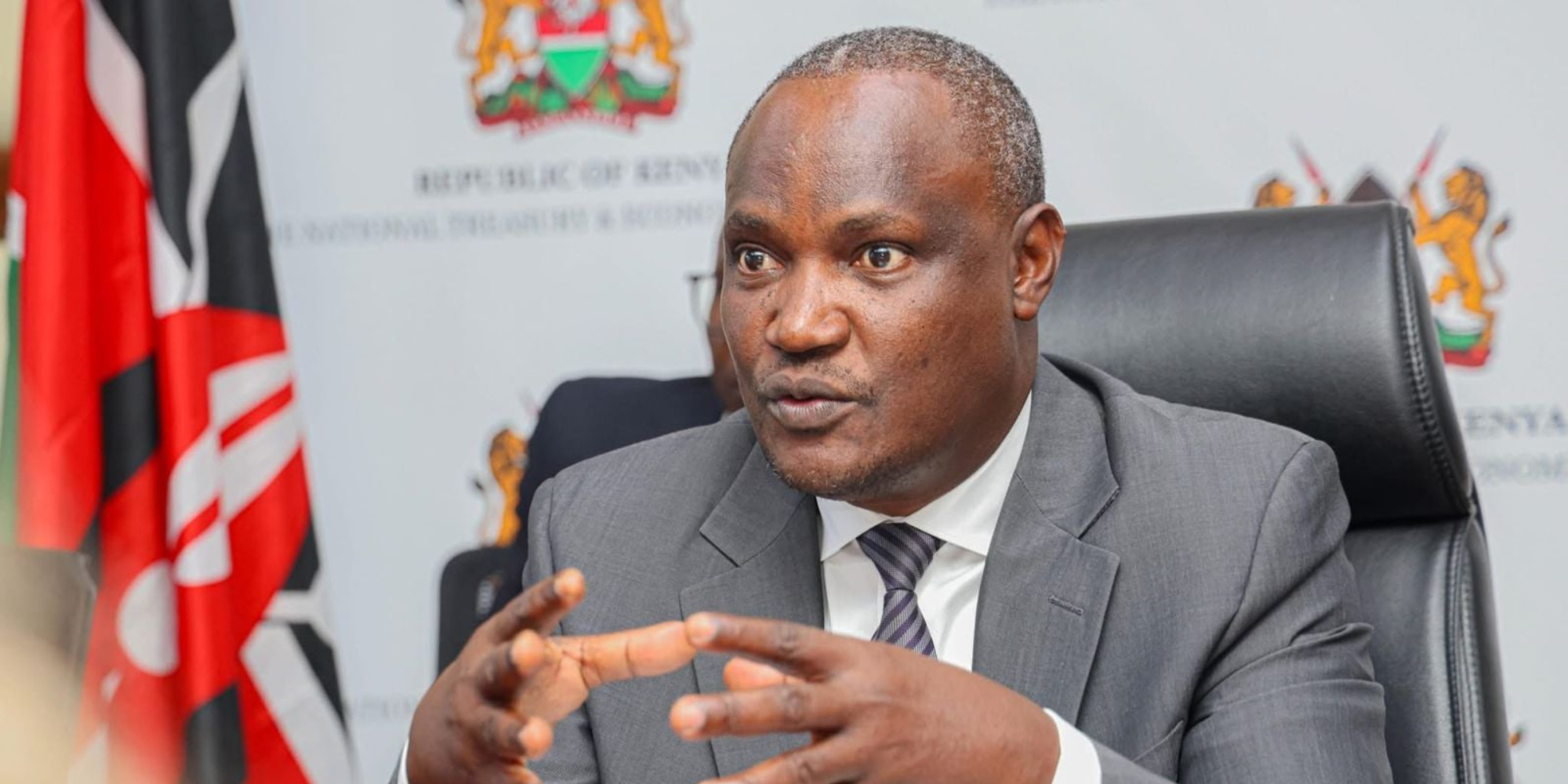
National Treasury Cabinet Secretary John Mbadi, on Thursday, June 11, 2026 presented the FY 2026/27 Budget Estimates in Parliament, outlining how the government plans to fund key sectors of the economy, including education, health, infrastructure, housing, agriculture, security, energy, and ICT.
President William Ruto was absent from Parliament as Mbadi delivered the budget proposals, which place education at the center of government spending while maintaining significant investments in healthcare, roads, housing, and social protection programmes.
The education sector received the largest allocation in the FY 2026/27 budget, with Ksh 781.4 billion set aside to support learning institutions and teacher management.
The allocation includes Ksh 421.9 billion for the Teachers Service Commission (TSC), Ksh 54.6 billion for Free Day Secondary Education, Ksh 30 billion for Junior Secondary School capitation, and Ksh 7 billion for Free Primary Education.
The government also allocated Ksh 56.7 billion to the Higher Education Loans Board (HELB) to support student financing.
According to the budget estimates, Ksh 4.9 billion will fund the conversion of 20,000 intern teachers into permanent and pensionable terms.
“The substantial allocation underscores the Government’s continued prioritization of access to education, teacher recruitment, and support for the transition and implementation of the Competency-Based Curriculum,” the budget estimates state.
Mbadi Allocates Ksh 175.5 Billion to Health Sector
The health sector has been allocated Ksh 175.5 billion to support the implementation of Universal Health Coverage (UHC).
Key allocations include Ksh 19.1 billion for the Primary Healthcare Fund and Ksh 4 billion for the Emergency, Chronic and Critical Illness Fund.
The government also allocated Ksh 18.5 billion under the Global Fund programme to support HIV/AIDS, malaria, and tuberculosis interventions.
The funding will also support national referral hospitals, medical supplies through KEMSA, and community health promoters across the country.
Roads and Infrastructure Receive Major Funding
The government has allocated approximately Ksh 230 billion to the road subsector.
The funding includes Ksh 48.1 billion for road and bridge construction, Ksh 64 billion for rehabilitation of existing roads, and Ksh 118 billion for road maintenance.
The allocation aims to improve transport connectivity, facilitate trade, and support economic growth.
Housing and Urban Development
The affordable housing programme received Ksh 135.8 billion.
The allocation includes Ksh 50 billion for affordable housing units, Ksh 20.9 billion for social housing, Ksh 20.2 billion for institutional housing, and Ksh 18.3 billion for supporting infrastructure.
The government said the funding will help increase access to decent housing while creating jobs in the construction sector.
An additional Ksh 18.6 billion was allocated to the Kenya Urban Programme and Ksh 2.7 billion to the Kenya Informal Settlements Improvement Project (KISIP).
Agriculture and Food Security
The Agriculture and Rural Development sector received Ksh 106.8 billion.
The allocation includes Ksh 18 billion for the fertilizer subsidy programme, Ksh 2.4 billion for sugar sector reforms, and Ksh 2 billion for seed subsidies.
Other allocations include Ksh 5.4 billion for the Food Systems Resilience Project and Ksh 4.6 billion for the National Agricultural Value Chains Development Programme.
The funding is expected to boost food production, improve resilience, and support agricultural transformation.
Also Read:OPINION: Kenya’s Finance Bill 2026 and the Ground-Level Reality for SMEs
Energy and ICT Development
To improve access to electricity, the government allocated Ksh 16.3 billion for rural electricity connectivity, Ksh 7.5 billion for the national grid system, and Ksh 3.2 billion for alternative energy technologies.
In the ICT sector, Ksh 5.3 billion has been allocated to the Kenya Digital Acceleration Project and Ksh 1.5 billion for maintenance and rehabilitation of last-mile connectivity infrastructure.
The budget also supports the completion of the Konza Data Centre, expansion of ward digital hubs, and cybersecurity programmes.
Also Read: Finance Bill 2026 : Full Breakdown of New Tax Proposals and Exemptions
Security and Defence Funding Increased
The National Security sector received Ksh 308.6 billion.
According to the budget estimates, the increase is linked to enhanced funding for the National Intelligence Service (NIS) and the Department of Defence.
The government said the resources will support intelligence gathering, modernization programmes, equipment upgrades, and responses to emerging security threats.
Additional Funding for IEBC Preparations
The Governance, Justice, Law and Order sector received Ksh 353.3 billion.
The increase in funding is mainly attributed to additional resources allocated to the Independent Electoral and Boundaries Commission (IEBC) ahead of the 2027 General Election.
The funding will support voter registration, procurement of election materials, civic education, and other electoral preparedness activities.
Youth, Social Protection and Water Projects
The government allocated Ksh 4.7 billion to the National Youth Opportunities Towards Advancement (NYOTA) programme, Ksh 2.5 billion to the Kenya Jobs and Economic Transformation programme, and Ksh 12.5 billion to the National Youth Service (NYS).
To support vulnerable groups, the budget provides Ksh 25 billion for cash transfers to older persons, Ksh 8.9 billion for orphans and vulnerable children, and Ksh 1.5 billion for persons living with severe disabilities.
In the water sector, Ksh 47 billion has been allocated for water and sewerage infrastructure, while irrigation projects will receive billions more to support food production and improve access to clean water.
Climate Action and Environmental Protection
The government allocated Ksh 14 billion for forest conservation and management, Ksh 3.7 billion for tree growing and rangelands restoration, and Ksh 8.9 billion for the Financing Locally-Led Climate Action (FLLoCA) programme.
The funding is expected to support environmental conservation, climate resilience, and ecosystem restoration efforts across the country.
Follow our WhatsApp channel for instant news updates
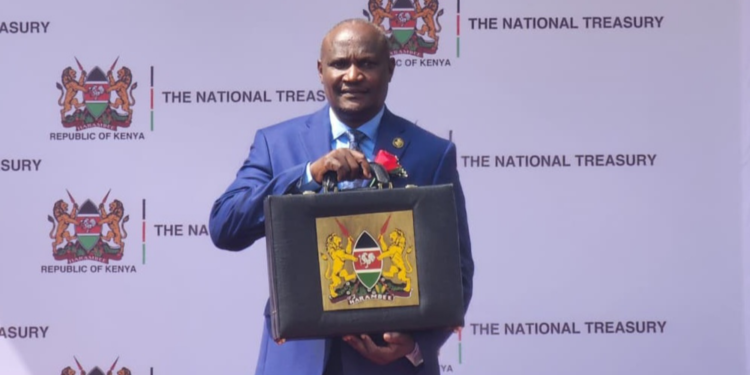
CS John Mbadi presents the 2026/2027 Finance Bill in parliament
PHOTO/TCS