

Why Designing Financial Products for Women Is Paying Off for Safaricom
Share
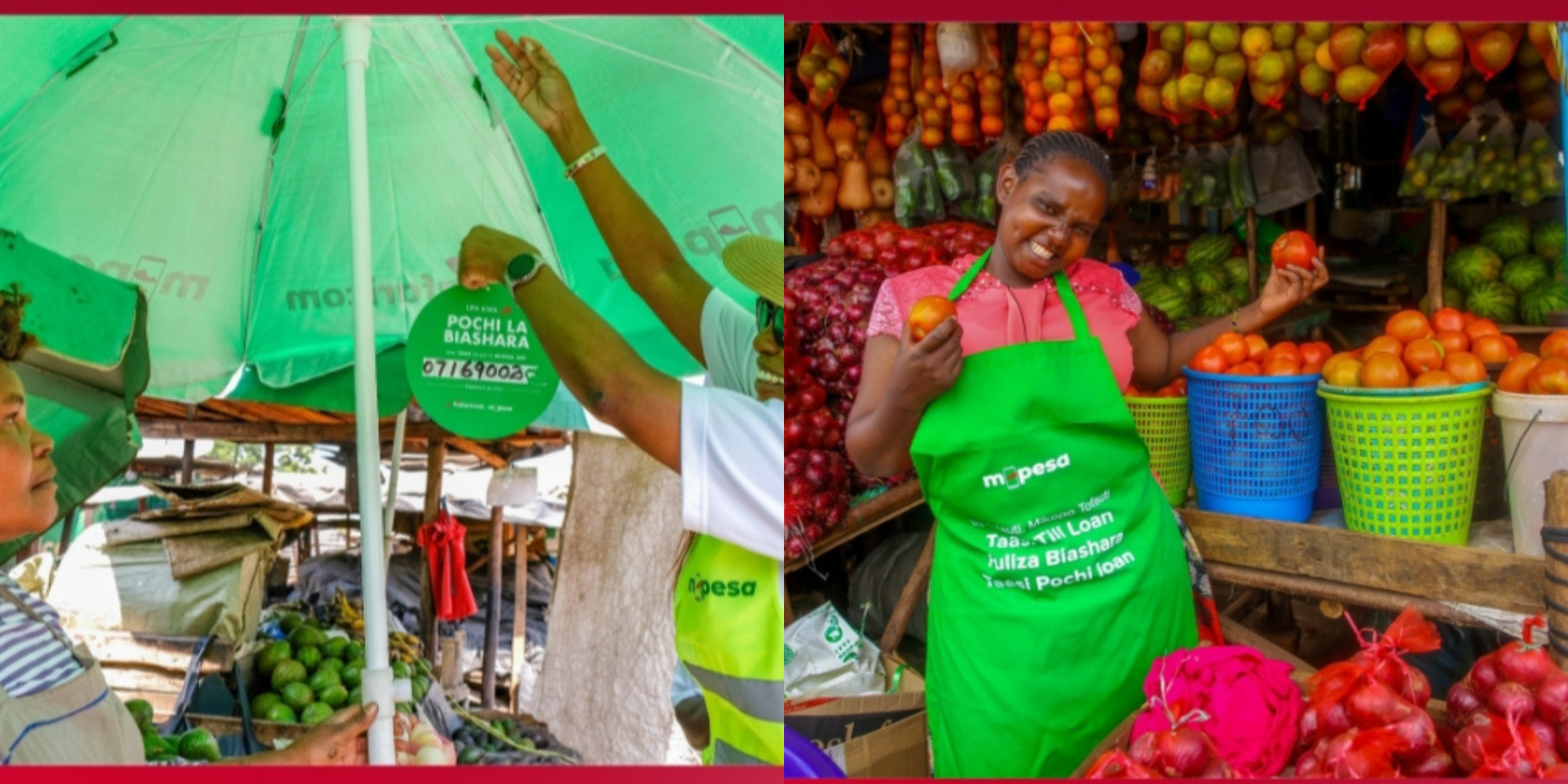
For years, many digital financial products, including those offered by Safaricom, were designed for the general market, with little attention paid to the different challenges faced by women entrepreneurs.
However, Safaricom has since shifted its approach by developing Pochi la Biashara, a product built around the specific needs of women micro-entrepreneurs.
A new report by the GSMA Connected Women programme, developed with IDinsight and YUX, highlights how Safaricom’s Pochi la Biashara has become a successful example of customer-centred product design that addresses the needs of women micro-entrepreneurs while driving growth for the company.
The report shows that Pochi is one of the few M-PESA products where women now make up the majority of active users.
How Safaricom Solved Real Problems Women Face
Safaricom launched Pochi la Biashara in 2020 after identifying challenges many small business owners faced when using mobile money.
Research later showed that women experienced these problems more intensely than men.
Many struggled to separate business income from household money, worried about customers reversing payments after receiving goods, and raised concerns about privacy after sharing their phone numbers with customers.
Instead of treating these as minor issues, Safaricom built features that directly addressed them.
Pochi allows merchants to keep business money separate from personal funds, protects payments from customer reversals, offers mini-statements to help track business income, and has introduced additional privacy improvements to protect users.
One woman entrepreneur from Nairobi said the non-reversal feature gave her greater confidence in accepting digital payments.
“Pochi is safe. Once the money comes in, no one can reverse it, and I get an SMS right away.”
The report says these features helped build trust among women business owners, encouraging more of them to adopt the service.
Customer-Centred Design Drives Adoption
The report says Safaricom continued improving Pochi by listening to customers through market representatives, customer care teams, research studies and product testing.
Rather than assuming one solution would work for everyone, the company created different customer profiles based on factors such as digital confidence, business experience and financial knowledge.
The research also found that women’s needs change over time.
New users initially focus on receiving payments safely, while long-term users begin using additional features such as savings, loans and business management tools.
Safaricom responded by offering targeted customer education, follow-up support, demonstrations and personalised messages that encourage customers to explore more features as they become more comfortable with the platform.
Also Read: How You Can Win Up to Ksh 50,000 Through Safaricom’s New M-Shwari Challenge
Financial Inclusion Becomes Good Business
The report argues that improving financial inclusion for women is not only delivering social benefits but also creating commercial opportunities.
Between December 2024 and December 2025, the number of women actively using Pochi grew by about 92% compared with 78% growth among men.
As of December 2025, women accounted for just over 52% of active Pochi users, representing more than 900,000 customers.
According to the report, this makes Pochi one of the few M-PESA products where women form the majority of active users.
The company has also benefited financially
The company says Pochi accounts increased by 72.6% year-on-year to about 1.5 million accounts during the first half of the 2025/26 financial year.
Revenue generated by the product also grew by 95% year-on-year to Ksh 1.68 billion.
The report notes that focusing on women micro-entrepreneurs has helped Safaricom expand its merchant base while creating opportunities to offer additional services such as business loans, savings and insurance.
Also Read: How You Can Win Up to Ksh 50,000 Through Safaricom’s New M-Shwari Challenge
More Than Just Payments
Women who adopted Pochi also reported positive changes in the way they managed their businesses.
Many said they were saving more because business and personal money remained separate. Others reported higher sales as more customers preferred cashless payments.
Users also said the product helped monitor daily income, make better business decisions and invest more confidently in growing their businesses.
One woman from Murang’a County described how the platform improved her financial tracking.
“When I go home, I know that I have made a certain amount of money. If it were cash, it would be more difficult, but through Pochi la Biashara, I can see what I sold.”
Another entrepreneur from Kajiado County said separating business and personal finances changed how she managed her shop.
“Before Pochi, I’d use the same money to buy supper. Now, I know what belongs to the shop.”
The improved financial discipline also gave many women greater confidence in running their businesses.
As one business owner put it, “Pochi makes me feel like the CEO of my business. I’m in control, I track my money, and I’m able to support my family.”
Lessons for fintech innovators
The report concludes that designing products around women’s specific needs can create better outcomes for both customers and financial service providers.
Among its recommendations, the researchers encourage fintech companies to invest in customer research, build products around real user challenges, strengthen agent support, prioritise safety and privacy, and provide multiple ways for customers to access services, including USSD for those without smartphones or reliable internet.
Follow our WhatsApp channel for instant news updates.
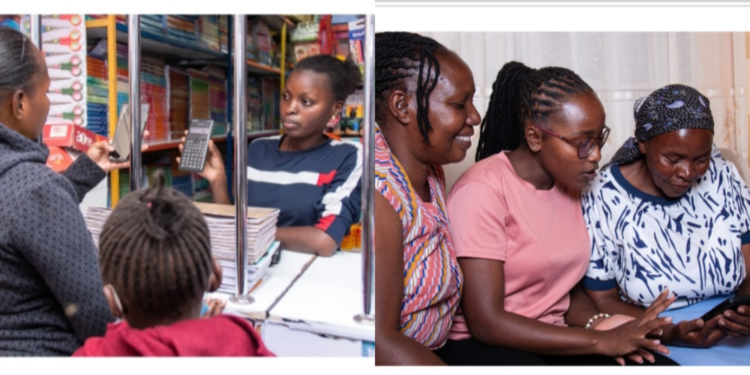
Pochi La Biashara and Women Micro-Entrepreneurs in Kenya
PHOTO/Safaricom