

EALA Speaker Wants Kiswahili to Shape the Future of Artificial Intelligence
Share

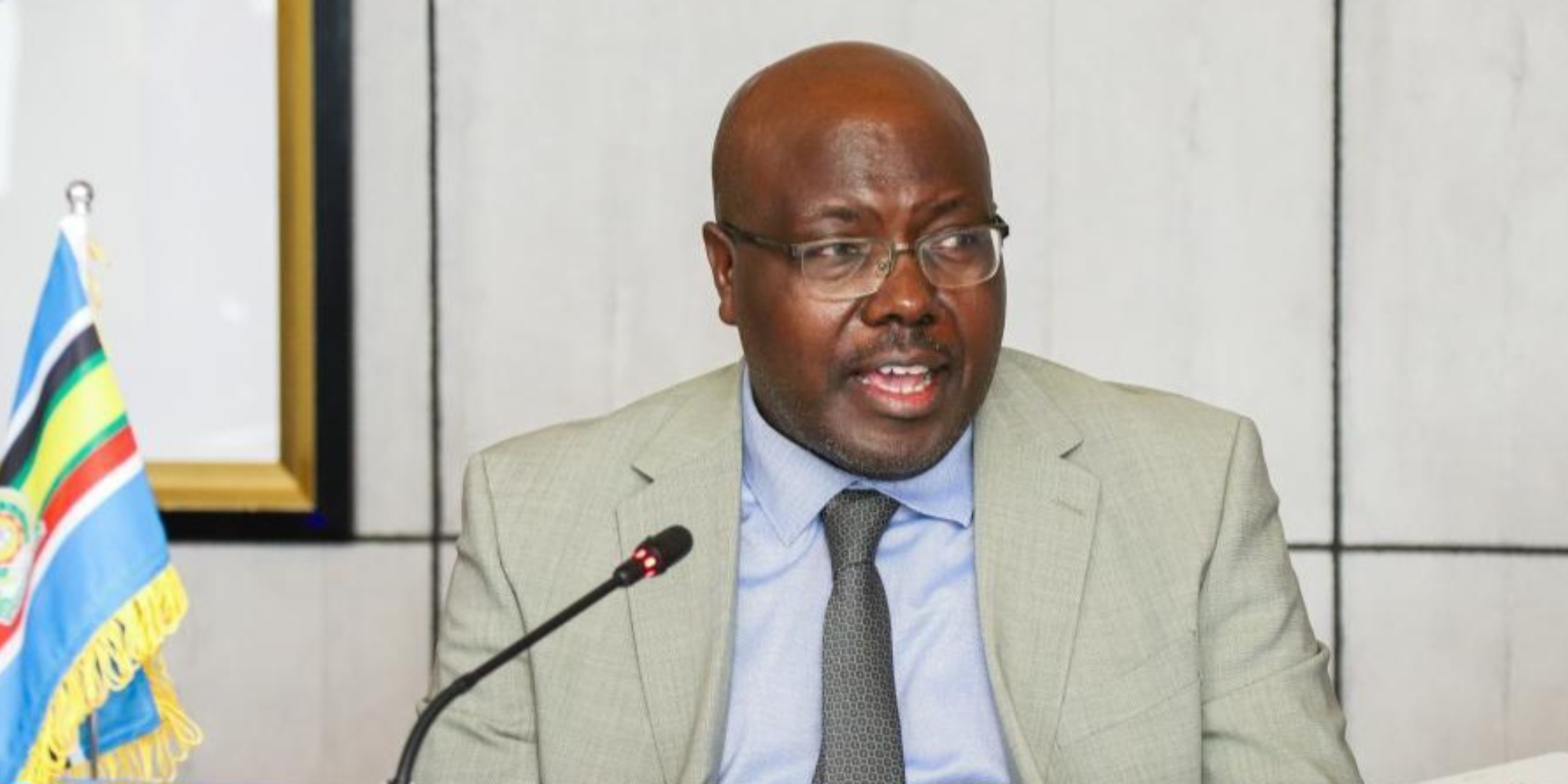
The Speaker of the East African Legislative Assembly (EALA), Joseph Ntakirutimana, has called for stronger efforts to integrate Kiswahili and other African languages into AI and other emerging digital technologies, saying this is essential for inclusive development and the preservation of the region’s cultural identity.
Speaking during the 5th East African Community World Kiswahili Language Day and the 3rd East African Kiswahili Commission (EAKC) Kiswahili International Conference in Bujumbura, Burundi, Joseph said language is more than a means of communication.
He described it as a repository of history, culture, identity and shared values that should be protected as technology continues to evolve.
The conference was under the theme “Kiswahili, Multilingualism, and Artificial Intelligence,” brought together policymakers, scholars, researchers, technology experts, development partners and youth representatives from across the East African Community and beyond to discuss the future of Kiswahili in the digital era.
Kiswahili
According to the Speaker, Kiswahili is now spoken by more than 250 million people globally, making it one of Africa’s most widely used languages.
He said its continued growth has strengthened regional integration, trade, cultural exchange and social cohesion within the East African Community.
Also Read: FACT CHECK: Are Viral Claims About the Sacco Amendment Bill 2025 True?
Joseph further noted that many African languages remain underrepresented in digital platforms due to limited language data, insufficient technological resources and inadequate investment.
He warned that unless deliberate action is taken, millions of Africans risk being left behind as digital technologies become increasingly central to education, business, governance and their everyday life.
He called for closer collaboration between governments, universities, language experts and technology developers to ensure African languages are fully represented in AI systems and other digital innovations.
Joseph said such partnerships, would help develop practical solutions that make technology more accessible to local language speakers.
East Africa Commission
The Speaker also revealed that EALA is working with the East African Kiswahili Commission to expand the use of Kiswahili in parliamentary proceedings and committee work.
In addition, EALA and the EAC Secretariat are exploring digital tools that can support Kiswahili transcription in parliamentary Hansard reporting.
Joseph welcomed the conference’s emphasis on youth participation, saying young people have a critical role to play in developing technology that supports African languages.
Technology
He said equipping youth with digital skills and innovation opportunities would not only strengthen Kiswahili in the digital space but also create employment opportunities and contribute to regional digital transformation.
He expressed optimism that the conference would produce practical outcomes, including the Bujumbura Declaration and a regional roadmap to guide governments, academic institutions, technology partners and development stakeholders in promoting Kiswahili within emerging technologies.
Also Read: LSK Demands Justice After Lawyer Edward Muthee Kariuki Is Found Murdered
Finally, Joseph urged stakeholders across the region to work together to ensure Kiswahili continues to thrive in schools, public institutions, communities and the rapidly expanding field of AI.
He said technology should be used to preserve African languages, strengthen cultural identity and promote inclusive development across East Africa.
Follow our WhatsApp channel for instant news updates
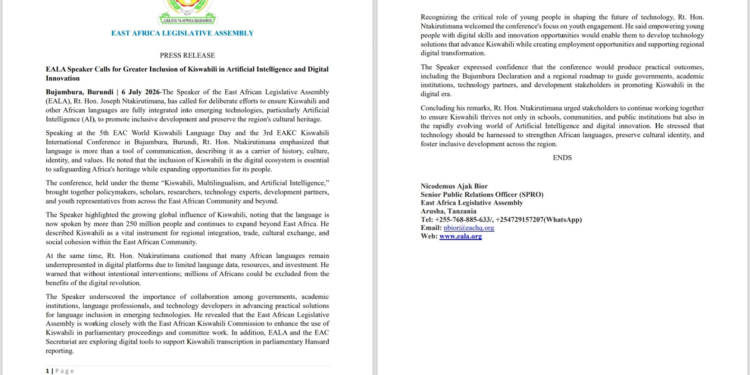
The notice by EALA
PHOTO/EALA