
How to Clear Motor Vehicle at Mombasa Port
Share
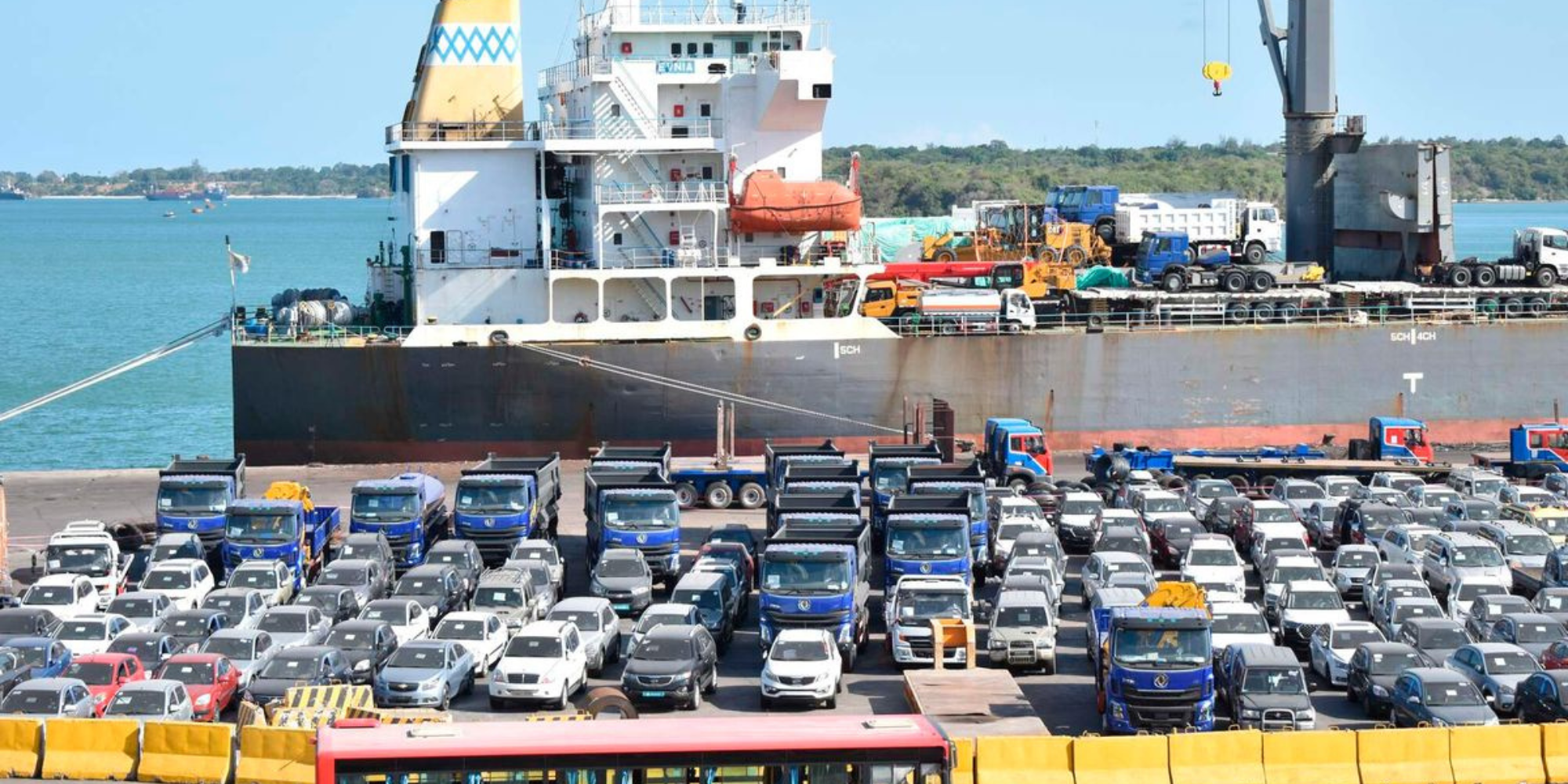
Clearing an imported motor vehicle in Kenya via the Mombasa port entails a series of customs, taxation, and registration procedures, which must be completed prior to the use of the imported motor vehicle on the streets of Kenya.
Such procedure is guided by the Kenya Revenue Authority (KRA), Kenya Ports Authority (KPA), Kenya Bureau of Standards (KEBS), and the National Transport and Safety Authority (NTSA).
Among the most significant steps during the process is that owners of imported motor vehicles do not have the right to clear imported motor vehicles by themselves.
According to Kenyan laws, all importers are expected to use services of a licensed clearing and forwarding agent by the KRA, who has access to the iCMS of the KRA.
The whole procedure of clearance may last up to 10 working days; however, some delays are possible due to the system downtimes in the KRA or NTSA, and also the need for the inspection of the vehicle.
Step 1: Get All Necessary Documentation
This is done before or as soon as the vehicle arrives in the Port of Mombasa in order to start the process of getting the vehicle through customs.
Necessary documentation includes:
- Bill of Lading
- Export Certificate from the originating country
- Translation of the Export Certificate to English (if written in another language)
- Roadworthiness or Pre-Shipment Inspection Certificate (like, JEVIC/QISJ)
- KRA PIN Certificate
- National ID or Passport
- Import Declaration Form (IDF)
- Pre-Shipment Verification of Conformity (PVoC)
- NTSA TIMS account
- Company PIN Certificate & Certificate of Incorporation (for company-owned vehicles)
Also Read: How to File a Complaint at Mombasa Port and Get Your Issue Resolved
Step 2: Import Declaration and Customs Entry at the Mombasa Port
After offloading the car from the ship, it will be taken to the designated Container Freight Station (CFS) where it will stay until completion of the clearance process.
A clearing agent will log in to the KRA iCMS system and submit the Import Declaration Form (IDF) for the imported car.
After the declaration, a customs entry sheet indicating the payable taxes will be generated by the system.
Step 3: Customs Valuation and Tax Payments
KRA uses the vehicle’s Current Retail Selling Price (CRSP), among others, to determine the taxes payable by the vehicle through the following customs valuation process.
Possible taxes/charges can include:
- Import Duty
- Excise Duty
- Value Added Tax (VAT)
- Import Declaration Fee (IDF)
- Railway Development Levy (RDL)
- Marine Levy
- Radiation fee
- Processing fee
These taxes can be paid directly by the importer to an authorized bank using the customs entry document and must provide evidence of payment.
However, they can also be paid by the clearing agent on behalf of the importer.
Step 4: Physical Inspection and Inspection for Compliance
After payment of the taxes, physical inspection is carried out by the customs officers as well as KEBS officers, when required.
In the inspection process, it is established that the car:
- Conforms to the maximum eight years of import age in Kenya.
- Is right hand drive.
- Agrees with the documented information.
Step 5: Payment of Port and Transport Charges
Apart from tax paid to the government, other costs that need to be paid by the importer include those related to operations, which include:
- Port charges
- Storage charges
- Shipping charges
- Clearing agent charges
- Registration charges
It is dependent on the size of the vehicle and the price of the car, among others, as discussed earlier.
Other transport charges might also apply if the car is moved from Mombasa to other parts of Kenya.
Also Read:ODPP Announces Auction of Vehicles and Stores at Nairobi Headquarters
Step 6: Car Registration and Plates
After completing the customs clearance, the car should be registered using the NTSA TIMS system.
It involves the following:
- Creation of NTSA TIMS account.
- Granting access of the account by the clearing company.
- Application for car registration.
- Assignment of a Kenyan registration number.
- Number plates generation.
- Picking up and fixing of the plates physically.
After registration, the vehicle information and number plate will be available on your TIMS account.
How Long Does It Take To Clear Vehicles?
Under normal conditions, clearance of vehicles will take about 10 working days.
Nevertheless, problems may come up because of:
- Downtime at KRA systems
- Delays at NTSA systems
- Inspections
- Documentation
- Shortage of number plates
- Taxation issues
If one plans ahead and provides full documentation, the process will be shortened.
Follow our WhatsApp channel for instant news updates
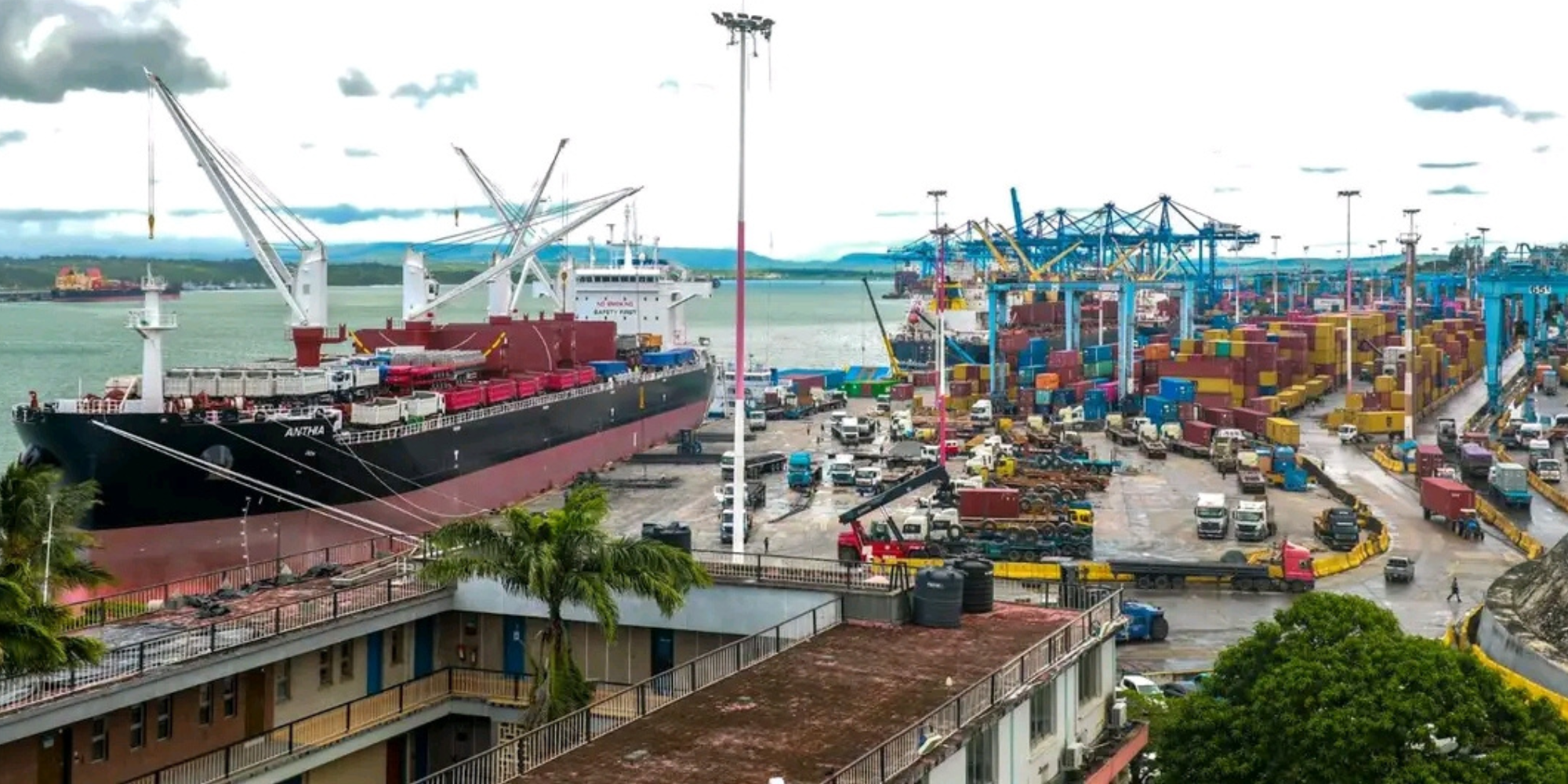
Aerial view of the Port of Mombasa landing dock and storage area. PHOTO/ KPA