

How to Register as a Clearance and Forwarding Agent at Mombasa Port
Share

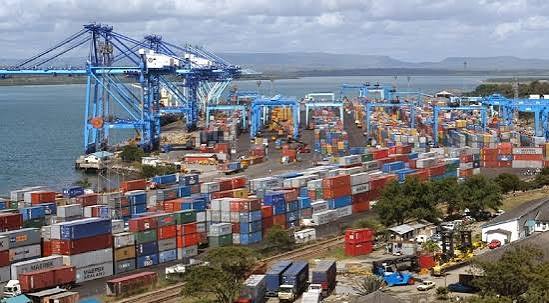
Becoming a clearing and forwarding agent at Mombasa Port is a controlled process overseen by the Kenya Revenue Authority (KRA) and the Kenya Maritime Authority (KMA) for maritime service providers.
Individuals or firms intending to engage in customs clearance must meet specific legal, financial, and professional requirements to obtain a customs agent license.
The application process ensures that only qualified firms handle customs documents, cargo clearance, and freight forwarding services in Mombasa, the busiest seaport in Kenya.
The applicant firm should be legally registered, pay all due taxes, employ qualified staff, and provide necessary office space to apply for the license.
In addition to obtaining the license from KRA, those who qualify should access the Integrated Customs Management System (iCMS), complete mandatory training, and renew their licenses annually to operate.
Registration of Business
First, one must register the business with the government through the eCitizen website.
This may be done by registering either the company itself or a partnership through the Registrar of Companies before applying for the customs agent license.
On completion of the registration of the company, the company needs to acquire some important registrations, which include the registration certificate, CR12, Company KRA PIN, and TCC of the Company and all the directors of the Company.
Tax compliance is an important requirement in the entire licensing process.
KRA insists on tax compliance of both the company and the directors.
Also Read: How to Apply for Export Clearance at Mombasa Port
Qualifications Needed for Professional Practice
In addition to that, KRA demands that one must have professionally qualified staff.
There must be at least two directors or employees who have been granted the East Africa Customs Freight Forwarding Practicing Certificate (EACFFPC), which is granted by the Kenya School of Revenue Administration (KESRA).
This certificate signifies their knowledge about customs procedures, freight forwarding, and trade regulations in the region, thus assuring that the licensed agencies are aware of customs laws and international cargo practices.
Another important qualification needed for the process is membership in the Kenya International Freight and Warehousing Association (KIFWA).
Office and Documentation Requirements
An applicant has to prove that there is a real office before KRA carries out any inspection.
The proof of ownership or occupancy of an office can be demonstrated using a tenancy agreement, a lease agreement, or title deeds.
Several other supporting documents have to be produced during the application process.
These include completed form C20, a passport-size photograph of the directors, copies of national identity card or passport, police good conduct certificate, and recent bank statements of the company.
The applicant also has to ensure that he/she opens and operate a bank account of the company to show financial capacity during the licensing process.
Other supporting documents include the Memorandum and Articles of Association and CR12 of the company.
Applications, Verification and Licensing
After collecting all the required documents, the applicants proceed to file their applications using the KRA Customs Agent Application Portal in the Integrated Customs Management System (iCMS).
After that, the KRA verifies the documents provided by the applicant, together with an inspection of the applicant’s offices of the applicant to see whether they adhere to the requirements of the customs regulations.
The applicants are also required to pay the required charges.
The cost of the application is about USD 50, whereas the customs agent license is about USD 400.
Also Read: How to Track Cargo at Mombasa Port Online in Real Time
Successful applicants are also supposed to enter into the required customs bond before the license becomes active.
Finally, after the approval, the applicants pay for the use of the iCMS system and are trained on how to use it.
Requirements for Annual Licence Renewal
A customs agent licence is valid for one year and must be renewed annually to allow the holder to continue operating legally.
To renew the licence, applicants must submit a valid Tax Compliance Certificate, current Certificates of Good Conduct for all directors, and proof that they have no outstanding customs liabilities or pending customs transactions.
Applicants must also provide evidence of membership in a recognized professional body, such as KIFWA, together with a copy of the previous year’s customs agent licence.
Follow our WhatsApp channel for instant news updates
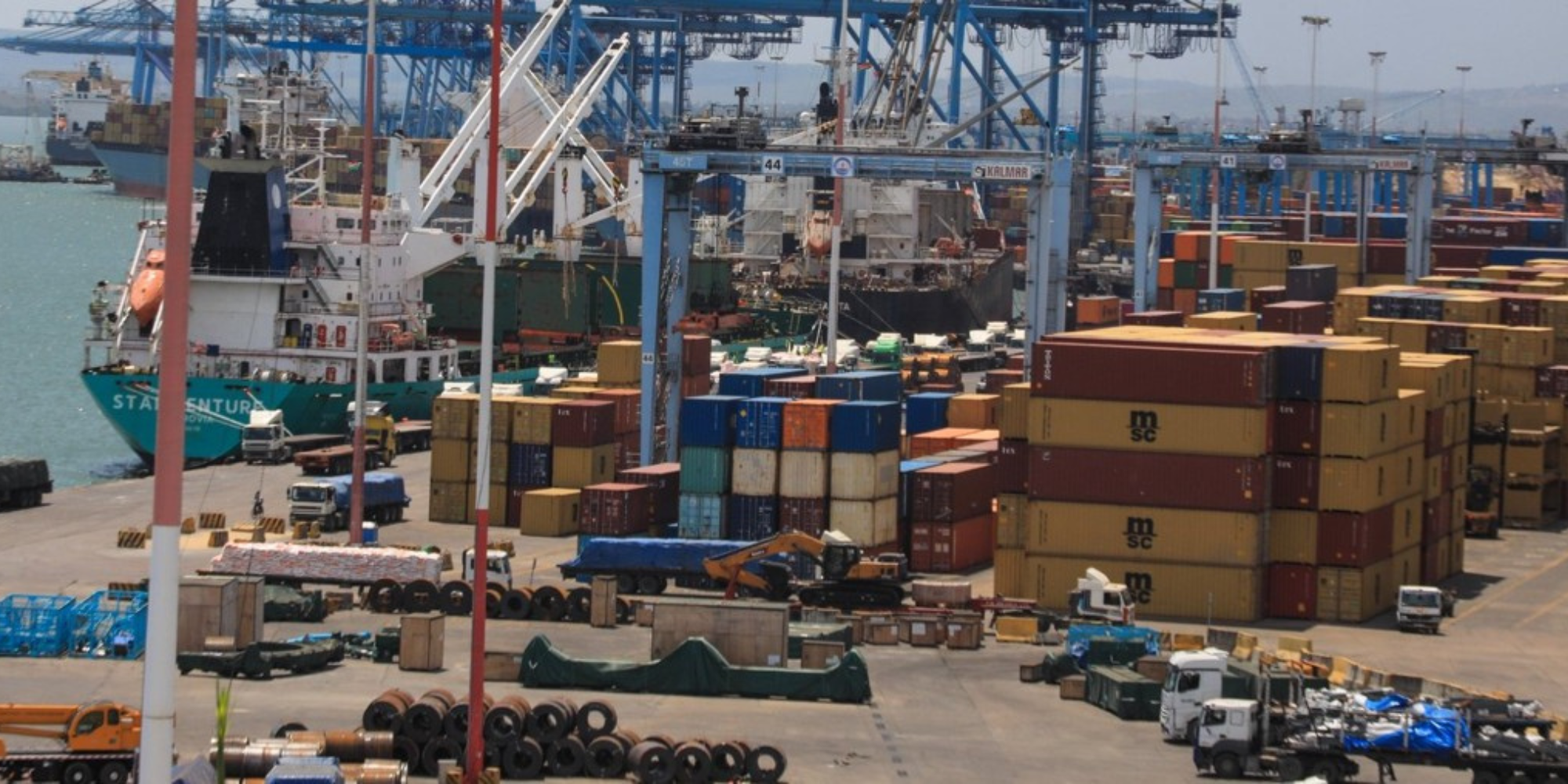
An aerial view of the port of Mombasa loading dock. PHOTO/ KPA