
Kenya Power Explains Why the Same Amount Can Buy Different Electricity Tokens
Share
Kenya Power has explained why customers can receive different numbers of electricity units despite paying the same amount for prepaid tokens.
According to a statement dated August 5, Kenya Power attributed the variation to changes in tariff bands based on monthly electricity consumption.
The clarification came after a customer questioned why two purchases of Ksh300, made seven days apart, resulted in different numbers of electricity units despite being for the same amount.
“Hi @KenyaPower_Care. Kindly explain the discrepancy of these two token amounts in just a difference of 7 days,” Mokerry asked on X.
Kenya Power Says Tariff Shift Caused Unit Difference
Kenya Power explained that the customer had moved from one domestic consumption category to another.
The electricity company noted that domestic prepaid electricity customers are billed under different tariff categories depending on the number of units consumed.
Kenya Power further highlighted that DC1 applies to customers consuming between 0 and 30 units, while DC2 covers those consuming between 30 and 100 units.
Also Read: Kenya Power Restores Token Services, Explains Why Some Customers Are Still Waiting for Tokens
Therefore, as customers move from the lower consumption band to the next one, the applicable tariff changes, meaning the same payment may purchase fewer electricity units.
“Hello. This is due to shift from DC1 (0–30 units) consumer to DC2 consumer (30–100 units), thus difference in number of units issued,” the utility company said.
According to the customer, the first transaction, made on July 29, showed that a payment of Ksh300 purchased 14.7 units.
The receipt revealed that Ksh178.04 went towards electricity, while Ksh121.96 covered other charges.
However, a second purchase made on August 5 for the same Ksh300 generated 11.7 units showing that transaction, Ksh192.37 was allocated to electricity while Ksh107.63 went towards other charges.
Kenya Power argued that despite the second purchase allocating a larger portion of the payment to electricity, the customer received fewer units because the purchase fell under a different tariff band.
How Units One Gets Is Calculated
Elsewhere, Kenya Power explained that the number of electricity units a customer receives depends on several factors, primarily the tariff band based on monthly consumption.
The company highlighted three groups of power consumers that are categorised in DC-1, DC-2 and DC-3, depending on the amount of electricity they consume per month.
Also Read: Kenya Power on the Spot Again as Customers Report Errors Buying Tokens After Blackout
Those in C-1 consume 0 to 30 units a month, while those in C-2 consume between 30 and 100 units monthly and those in the third category consume over 100 units a month.
Furthermore, Kenya Power stated that the amount of units consumed monthly also affects how much each group pays per electricity unit.
If one is in DC-1, that means that the power is calculated at Ksh 12.14 per unit, but if one is in C-2, a customer is charged Ksh 16.50 per unit.
However, those in C-3 pay a huge amount of money at Ksh 18.57 per unit, exclusive of other charges.
Follow our WhatsApp channel for instant news updates.
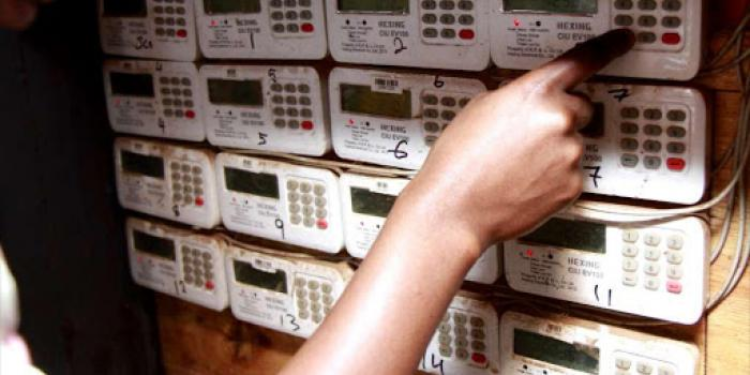
A person feeding in units at a token meter. PHOTO/ FILE.