Concerns as View Point Shops Face Demolition to Pave Way for Rironi-Mau Summit Road
Share
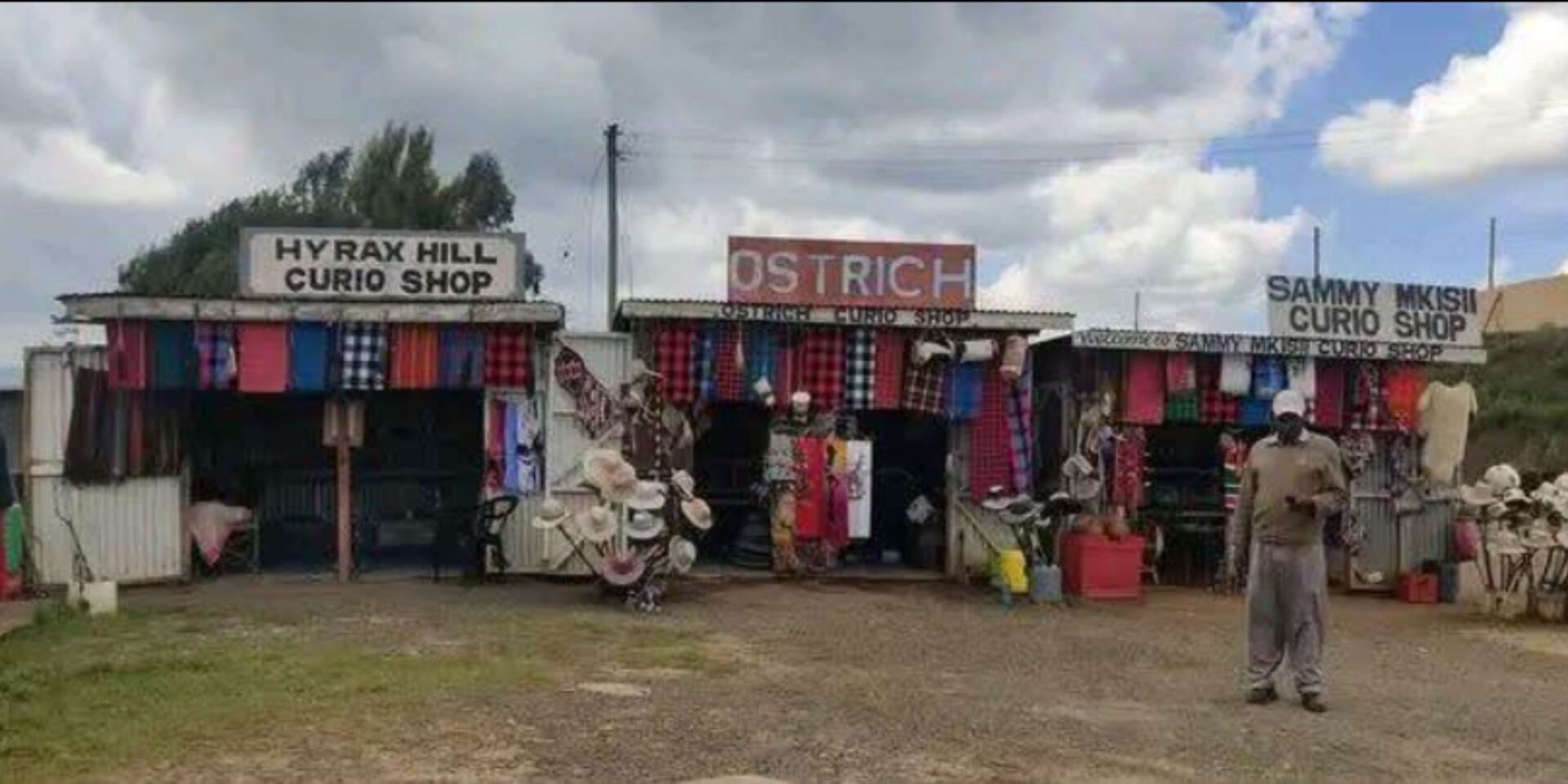
Demolition of shops at the famous View Point along the Nairobi-Nakuru highway has sparked a wider debate over what Kenya’s road development should look like and whether communities must lose their character in the process.
Digital creator Samuel Mwangi has raised concerns over the impact of the Rironi-Mau Summit Road project on businesses and landmarks that have grown around the highway for generations.
For generations, View Point has been more than a roadside stop. Travellers heading to and from the Rift Valley have pulled over to enjoy the scenery, take photographs, buy curios and interact with traders whose livelihoods depend largely on motorists using the highway.
Mwangi questioned whether such places should simply disappear in the name of infrastructure, asking whether this is really what development should look like.
Also Read: KeNHA Issues Fresh Directive to Traders and Residents Along 3 Major Roads
Road expansion and the communities along it
Concerns over View Point extend to other centres that have built their identities and local economies around the Nairobi-Nakuru highway.
Mwangi pointed to Kikopey, a popular stop along the highway known for its nyama choma and roadside businesses, warning that it could face a similar challenge if the new road system carries traffic past the area.
“Kikopey could suffer the same fate,” he said, arguing that a place famous for its roadside economy could slowly lose its significance if traffic is simply carried past it.
Some people commenting on the discussion agreed that road expansion should not automatically mean losing established roadside attractions.
Waithaka Mugwe suggested that authorities could create designated parking areas and spaces for traders, arguing that such facilities could generate employment for businesses such as car washes, mechanics and tyre repair shops.
“The same thing with escarpment, the government should create a better view point with enough spaces for traders,” he said.
Gathaiya Dennis also argued that View Point had developed an emotional attachment among Kenyans and called for a redesign that would retain the attraction saying it would be bad if they lose View Point.
He argued that the wider economic benefits of the highway should take precedence over a handful of roadside businesses.
Allan Kipla questioned whether the road project should be held back because businesses would be affected, pointing to the need to consider the interests of motorists and other road users.
“We can’t deny all Kenyans and international users a good road because a few entrepreneurs will lose their businesses,” he said.
Patrick Kahindi similarly argued that major infrastructure projects cannot be designed around every existing business or landmark.
“The whole point of building the road is to bring positive change,” he said, arguing that creating a faster and more efficient route should remain the priority.
Also Read: Why 41 Approved Buildings Near Wilson Airport Are Now Facing Demolition
Can development preserve what already exists?
Kenya has long viewed new tarmac as a sign of progress. Better roads can reduce travel times, improve connectivity and create opportunities for trade and investment.
However, major projects can also disrupt businesses and communities that have grown around older transport networks.
View Point offers a clear example of that tension. Rather than treating the landmark and its traders as obstacles to construction, Mwangi believes there could be room for a different approach.
“If we really wanted to preserve it, surely engineering could provide a solution,” he argued, suggesting that the viewing area could be extended or redesigned, with proper access, safe parking and space for traders.
Such an approach would allow the road project to meet modern safety and traffic demands without completely removing an established stop along one of Kenya’s busiest highways.
Mwangi’s wider argument is that infrastructure planning should look beyond simply moving vehicles from one point to another.
“Good infrastructure should not only move traffic efficiently; it should also consider the communities, businesses and traditions that already exist along its route,” he said.
As Kenya continues to invest in major road projects, the challenge is therefore not only how quickly motorists can travel. It is also whether the communities along those routes can remain part of the economic and social life created by the highway.
Development does not always have to mean erasing what came before. In some cases, careful planning and engineering can create space for new infrastructure while preserving the places, businesses and traditions that have given a road its character.
Follow our WhatsApp channel for more updates
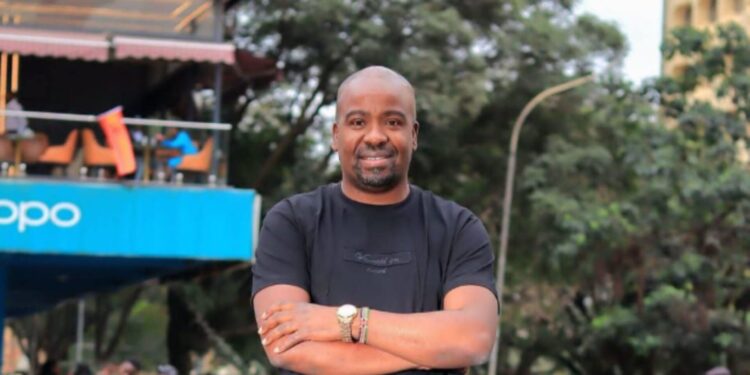
Samuel Mwangi digital creator. PHOTO/ FB