Sugar Millers Put on Notice as Govt Moves to End Delayed Farmer Payments
Share
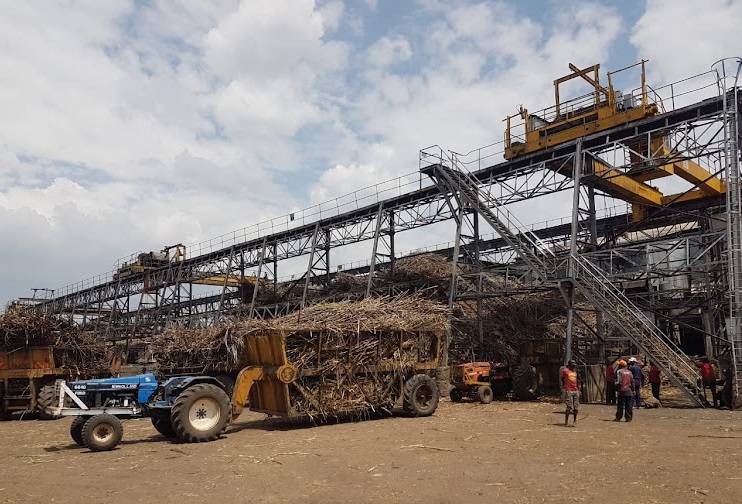
Sugar millers have been put on notice over delayed payments to sugarcane farmers, with the Kenya Sugar Board (KSB) requiring millers to pay growers within seven days of receiving their produce.
KSB targets weighbridge fraud as farmers lose cane value
For growers who spend months tending their crop before paying for harvesting and transport, losing part of their harvest at the weighbridge can translate into a significant financial loss.
Chesire said the regulator is also moving against weighbridge malpractices that have left some farmers losing significant amounts of cane before payment is calculated.
“Some farmers lose up to three tonnes of cane per trailer.”
Beyond weighing, Government is introducing cane-testing units as part of a broader shift towards paying farmers based not only on the quantity delivered but also on cane quality and sugar content.
Chesire said the reforms are intended to ensure farmers receive payment that more accurately reflects the crop they produce.
Millers have also been directed to establish clear cane harvesting frameworks by September 10. Better coordination of harvesting, transportation and delivery is expected to reduce delays that leave mature cane in farms for too long, affecting its quality and value.
Also Read: Govt Denies Reports of Dangerous Sugar Flooding Kenyan Market
Sugar production rises but Kenya still relies on imports
Farmer protection measures come as Kenya’s sugar industry records a notable recovery in domestic production.
Kenya produced 815,454 metric tonnes of sugar in 2024, its highest output in recent years. Production stood at 611,576 metric tonnes in 2025, while 528,875 metric tonnes had been produced between January and July 2026.
Output has picked up sharply in recent months, reaching 89,709 metric tonnes in June before rising to a record 91,022 metric tonnes in July.

KSB CEO Jude Chesire. PHOTO/ X.
Despite the increase, local production remains below national demand. Kenya consumes about 1.2 million metric tonnes of sugar annually, including roughly one million metric tonnes of brown or table sugar and 200,000 metric tonnes of white refined sugar used by industries.
National consumption reached approximately 1.216 million metric tonnes in 2025, leaving a sizeable gap that continues to be filled through imports, mainly from COMESA and EAC markets.
Kenya imported 477,551 metric tonnes of sugar in 2025, while another 65,081 metric tonnes of brown sugar entered the country between January and July 2026.
White refined sugar remains a major concern, with KSB estimating that Kenya spends about KSh30 billion annually on imports.
Also Read: Kenya Reveals New Strategy to Expand Irrigation Amid Climate Change
Government pushes local refining and more cane production
Reducing that import bill will require more than increasing cane production. Kenya is also seeking to build its domestic refining capacity so that more value from the sugar consumed locally remains within the economy.
As an immediate measure, the country has started refining imported raw sugar locally rather than relying entirely on finished refined sugar from abroad.
Mombasa Sugar Refinery Limited, which has an installed refining capacity of about 150,000 metric tonnes annually, has imported 27,839 metric tonnes of raw sugar and started local refining.
KSB says safeguards have been put in place to prevent raw sugar intended for refining from entering the table-sugar market before processing.
Longer-term plans focus on expanding sugarcane acreage, improving productivity, and increasing milling efficiency. The government is also pushing value addition and expanded domestic refining capacity as part of efforts to gradually reduce dependence on imported sugar.
For farmers, however, the real test of the reforms will be felt on the ground — through accurate weighing, timely payments and better returns from their harvest.
Follow our WhatsApp channel for more updates

Agriculture and Livestock Development Cabinet Secretary Mutahi Kagwe PHOTO/FILE.