Why KRA Raised Cargo Benchmark Amid Traders’ Shutdown Threat
Share

Small traders are set for a nationwide protest on Friday, August 28, 2026, over the Kenya Revenue Authority (KRA) new customs benchmark, which raised the minimum value for a 40-foot consolidated container from Ksh 2.5 million to Ksh 3.2 million.
Traders in Gikomba, Kamukunji and Nyamakima argue that the revised benchmark will increase the cost of importing goods and reduce their profit margins.
KRA, on the other hand, says the benchmark serves as a minimum valuation guide designed to combat under-declaration and tax evasion by traders.
According to a statement by KRA, the adjustment comes after extensive consultations with the Kenya International Freight and Warehousing Association (KIFWA), representatives of small traders, cargo consolidators and other private-sector stakeholders.
Reason For The Raise
KRA says the Ksh 3.2 million is not a flat valuation applied to every container, but it serves as a minimum reference point during customs valuation.
This means that where the actual value of imported goods exceeds the benchmark, importers are required to declare the higher value and pay the applicable customs duties.
Also Read: Kenya Power Smart Meter Supplier Loses Ksh317.9 Million Tax Appeal to KRA
Additionally, KRA says that the review was necessary because the previous Ksh 2.5 million benchmark had remained unchanged for about six years, despite shifts in economic conditions, import values and the nature of goods entering the country.
This revision is intended to close loopholes that have allowed some traders who import to declare lower value, misclassify or conceal high-value goods, reducing the taxes payable at the point of entry.
Products Declared at Lower Value
Products such as smartphones are examples of goods that can be declared as lower-value models to reduce customs obligations according to KRA.
It also raised concerns that some larger importers have increasingly used cargo consolidation arrangements to minimise their tax liabilities.
KRA argues that undervalued imports can enter the market at relatively low prices, giving non-compliant businesses an unfair advantage over traders who accurately declare their goods and manufacturers who meet tax and regulatory requirements.
Also Read: KRA Makes Major Change to Customs Benchmark for Containerised Cargo
The revenue authority has also stressed that the measure should not be viewed as targeting small traders.
Instead, it says the objective is to create a more predictable customs valuation system, protect government revenue and promote fair competition by ensuring businesses compete on efficiency and quality rather than avoiding tax.
Follow our WhatsApp channel for instant news updates
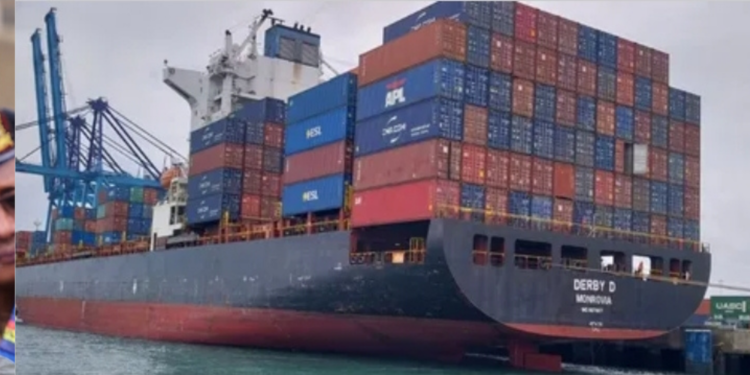
Photo of a cargo ship docking at a Kenyan port. PHOTO/ KPA