
10 Common Signs of Iron Deficiency Women Should Never Ignore
Share

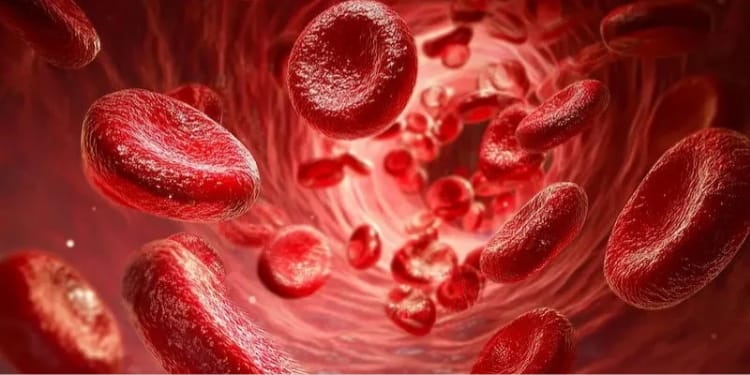
Iron deficiency is one of the most common nutritional deficiencies affecting women worldwide.
Women face a higher risk because menstruation, pregnancy and childbirth can increase the body’s need for iron or lead to iron loss.
The body uses iron to produce haemoglobin, a protein in red blood cells that carries oxygen to organs and tissues.
When iron levels drop, the body produces less haemoglobin, reducing its ability to transport enough oxygen. This can affect a person’s energy levels and daily activities.
If left untreated, iron deficiency can lead to iron-deficiency anaemia, which can cause serious health problems. Recognising the symptoms early and seeking medical attention can help prevent complications.
Here are the signs that may indicate iron deficiency:
Shortness of Breath
Low iron levels can reduce haemoglobin production, limiting the amount of oxygen the blood carries to the body. This can cause shortness of breath, especially during physical activity.
As a result, everyday activities such as climbing stairs or walking short distances may become more difficult because the body cannot deliver enough oxygen to the muscles.
Pale Skin
Loss of colour in the eyes, palms, gums, and face is a sign that not enough haemoglobin is being produced.
In this case, focus on eating iron-rich foods like spinach, liver, beans, and plenty of fruits.
Also Read: Why Somali Women in Diaspora Are Reportedly Travelling to Kenya to Fight
Constant Fatigue
Feeling tired even after getting enough sleep can indicate iron deficiency.
Low iron levels reduce the amount of haemoglobin the body produces, limiting the amount of oxygen that reaches the muscles and other tissues. This can leave a person feeling constantly tired and weak.
Frequent Dizziness
Iron deficiency can reduce the amount of oxygen reaching the brain, causing dizziness or lightheadedness, particularly when standing up quickly.
Severe iron deficiency can lead to fainting and may develop into iron-deficiency anaemia if left untreated.
Recurring Headaches
Persistent headaches without an obvious cause may also occur when a person has low iron levels.
When the body receives less oxygen, the blood vessels may respond by widening to improve blood flow to the brain, which can contribute to headaches.
Hair Loss
Iron deficiency can contribute to hair loss because the body prioritises the delivery of nutrients and oxygen to vital organs when iron levels are low.
Women may experience hair loss during pregnancy because the body requires additional iron to support both the mother and the developing foetus.
Also Read: Why Mental Health Challenges Are Increasing Among Gen Z
Brittle or Spoon-Shaped Nails
Weak nails that break easily or develop a spoon-shaped appearance can indicate long-standing iron deficiency.
Low iron levels can affect the health and growth of the nails, making them thinner, weaker and more prone to breaking.
Cold Hands and Feet
Iron deficiency can cause cold hands and feet because the body has less haemoglobin available to transport oxygen to tissues.
Reduced circulation and the body’s efforts to maintain blood flow to vital organs can make the hands and feet feel unusually cold.
Unusual Cravings
Craving non-food substances such as ice, soil, or clay can indicate a condition called pica, which is sometimes associated with iron deficiency.
Doctors do not fully understand why iron deficiency causes these cravings, but treating the deficiency can often reduce them.
Rapid Heartbeat
Iron deficiency can cause the heart to beat faster or feel like it is pounding.
When iron deficiency reduces haemoglobin levels, the blood carries less oxygen. The heart may then work harder and beat faster to deliver enough oxygen to the body’s tissues.
These symptoms signal low iron in the body; however, they are not enough to determine if a person has low iron. Therefore, one should seek medical attention to determine this condition.
Women with heavy menstrual bleeding, pregnant women, new mothers, and those experiencing persistent fatigue are encouraged to seek medical evaluation rather than self-prescribing iron supplements.
You can help prevent iron deficiency by regularly eating iron-rich foods such as spinach, liver, meat, lentils, beans, oranges, and tomatoes.
These foods help the body maintain adequate iron levels for producing haemoglobin and supporting normal immune function.
Follow our WhatsApp channel for instant news updates
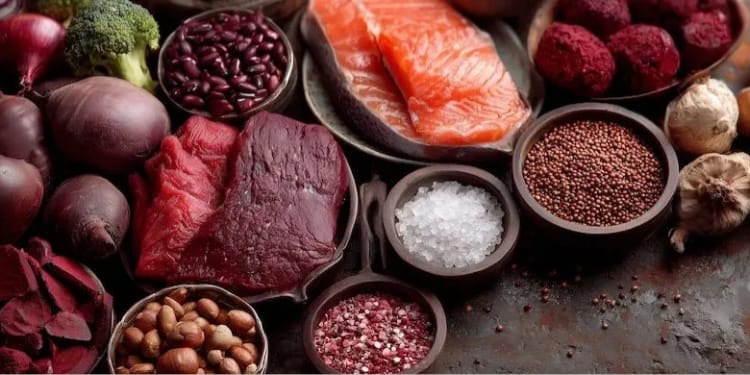
A photo of iron-rich foods. PHOTO/NC