
Inside KCB Investment Bank’s Expansion Across East Africa’s Capital Markets
Share

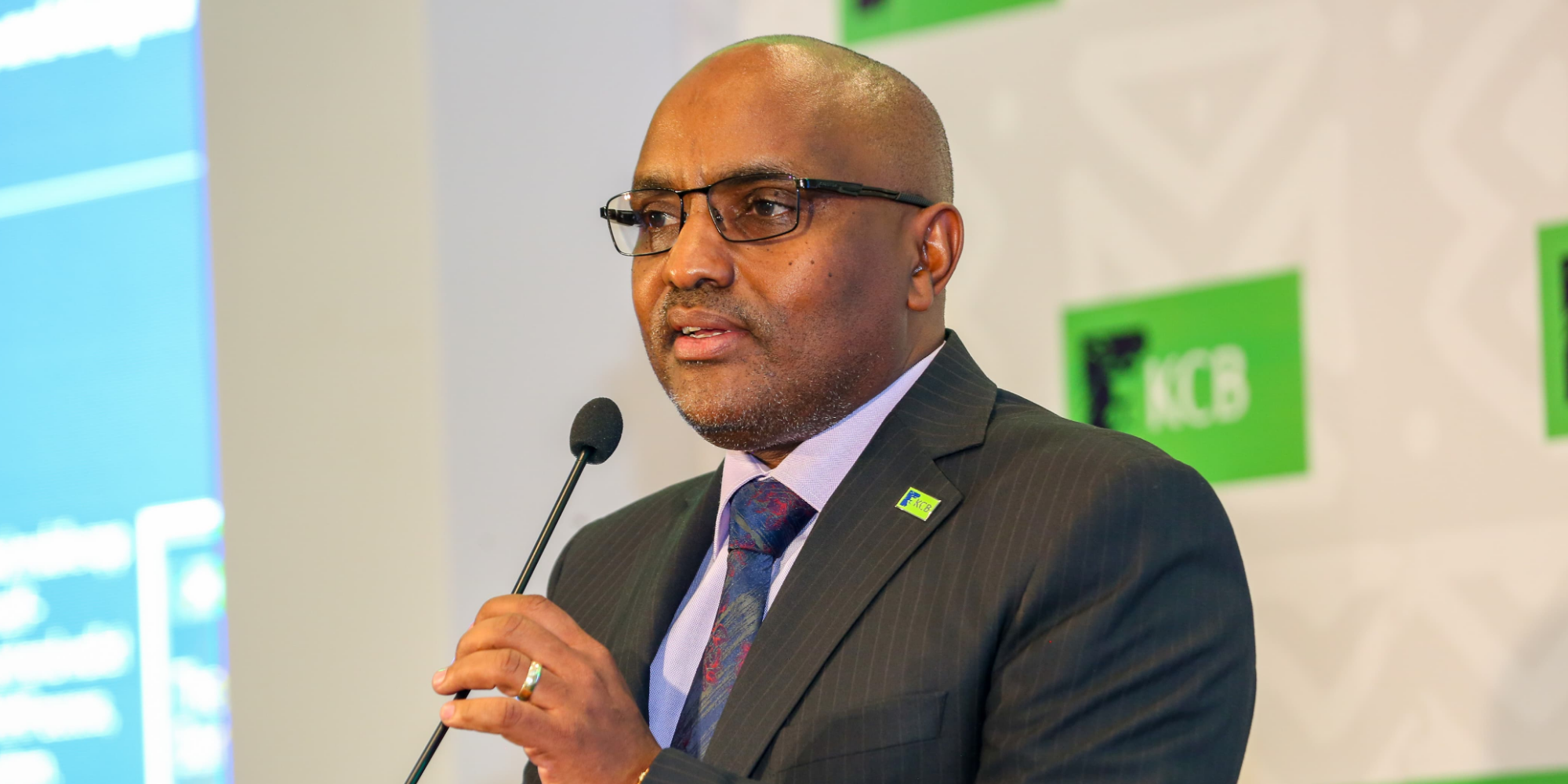
KCB Investment Bank is expanding its role in East Africa’s capital markets as businesses and governments seek new ways to finance infrastructure, acquisitions and regional expansion.
The bank has broadened its focus beyond traditional brokerage to include investment advisory, capital raising, deal structuring and wealth management, positioning itself to handle increasingly complex transactions across the region.
Maurice Opiyo, Managing Director of KCB Investment Bank, said the size of transactions in the market has grown, creating opportunities for institutions with the capacity to structure and participate in large deals.
“If you look at some of the exit happenings, you have seen this level of tickets that are being underwritten, $250 million, $400 million. And if you have a significant fund, then you can take significant position, but also co-invest with the rest of the market. We did rebranding from KCB Capital because the capital was more affiliated to the brokerage business,” he said.
Why KCB Investment Bank Changed Its Investment Banking Brand
KCB Group rebranded KCB Capital as KCB Investment Bank in January 2023 as it sought to align the business with a wider investment banking mandate.
The expanded focus covers advisory, brokerage, wealth management and transaction structuring.
Investment banks play a central role in complex transactions by helping companies raise funds, pursue acquisitions and restructure their businesses.
They can combine debt and equity financing while assessing the financial and legal requirements of a deal.
Opiyo explained the responsibility involved in structuring such transactions.
“A good investment bank wears three hats at once: that of a financial expert, lawyer, and accountant, to ensure that investors are confident that their risks are covered while businesses get long-term, stable funding for growth,” he said.
Meanwhile, the institution can draw on KCB Group’s wider regional presence when structuring transactions that involve several markets.
“From 2023, we looked into our brand positioning and the capacity that the group has. Syndication definitely it is. If DRC through TMB, which is our brand in DRC, has a significant ticket, we are able to structure it from an Nairobi perspective, collaborate with KCB Bank Kenya, and that’s the benefit of having a significant balance sheet,” he stated.
Also Read: Banks With the Lowest Loan Rates in Kenya as of August 2026
Financing East Africa’s Expansion
Across East Africa, stronger trade links, infrastructure development and regional integration continue to create demand for more sophisticated financing structures.
Major infrastructure projects, including the Standard Gauge Railway and LAPSSET corridor, have also increased the need for long-term funding.
At the same time, the East African Community’s integration agenda continues to support cross-border trade and investment.
As a result, capital markets can provide businesses with alternatives to conventional bank borrowing.
Companies can use corporate bonds, equity issues, syndicated financing and structured products to raise funds for expansion and investment.
The bank has also highlighted securitisation as another financing option, as the structure allows businesses to package predictable future cash flows into securities that can raise capital upfront, potentially supporting projects in sectors such as transport, healthcare and real estate.
Furthermore, pension funds and other institutional investors can provide significant pools of domestic capital for large transactions.
Investment banks can bring these investors together with businesses and project developers seeking long-term financing.
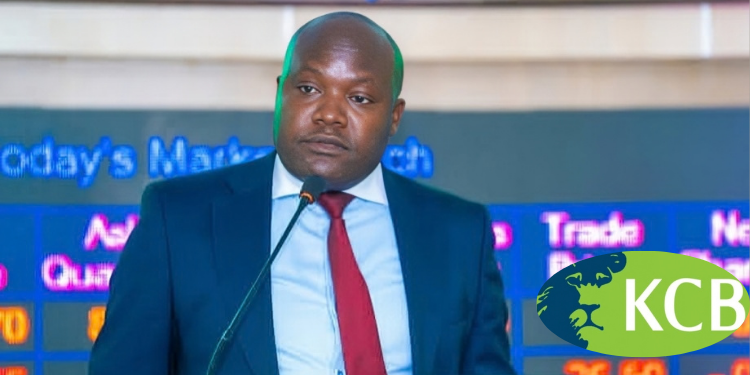
A photo of Maurice Opiyo, Managing Director of KCB Investment Bank, addressing attendees during the TRIFIC Green USD I-REIT listing at the Nairobi Securities Exchange (NSE) on June 29, 2026, and an insert of KCB bank logo. PHOTO/ KCB
KCB’s Landmark Transactions
KCB Investment Bank has participated in several major transactions involving mergers and acquisitions, capital raising, infrastructure financing and strategic advisory.
“From mergers and acquisitions and corporate restructurings to debt and equity capital raising, real estate investment trusts (REITs), and strategic financial advisory, the Bank has consistently delivered solutions that fuel inclusive growth,” he said.
Among the transactions highlighted by the institution is the Ksh 23.6 billion acquisition of Bamburi Cement PLC by Amsons Group, where it acted as Sole Transaction Advisor and Lead Acceptance Agent.
Another major transaction involved the financing of Talanta Stadium through a Ksh 44.79 billion asset-backed security structure.
The institution also arranged a US$130 million asset-backed financing transaction linked to a cement manufacturing asset in the Democratic Republic of Congo.
In the media sector, KCB Investment Bank advised on Taarifa Ltd’s acquisition of a controlling stake in Nation Media Group PLC.
The transaction demonstrated the role of investment banks in facilitating cross-border investments and corporate acquisitions.
Also Read: KCB Seeks Tanzania Approval for 22.23% Stake Acquisition in Pesapal
KCB Investment Bank also acted as the sole transaction advisor when the Government of Kenya sold a 15% stake in Safaricom PLC to Vodafone Group in a transaction valued at about Ksh 204 billion.
Beyond large corporate transactions, the institution has supported debt issuance in the microfinance sector, with financing involving MyCredit, Premier Credit and FinCorp Group exceeding Ksh 10 billion.
Capital Markets and Regional Growth
Looking ahead, KCB Investment Bank’s growing focus reflects increasing demand for diversified financing options as East Africa’s private sector expands.
Institutional investors, pension funds and other pools of domestic savings can play a larger role in financing businesses and infrastructure as markets develop.
Syndication can also allow institutions to participate in transactions that require larger amounts of capital.
At the regional level, stronger financial integration could make it easier for businesses to access investors and cross-border funding.
For investment banks, that creates opportunities to structure transactions that bring together capital from different markets.
Follow our WhatsApp channel for instant news updates

Photo of a KCB branch.PHOTO/KCB