EXPLAINER: Why Inflation Rose to 6.8% in September as Oil Prices Later Eased
Share
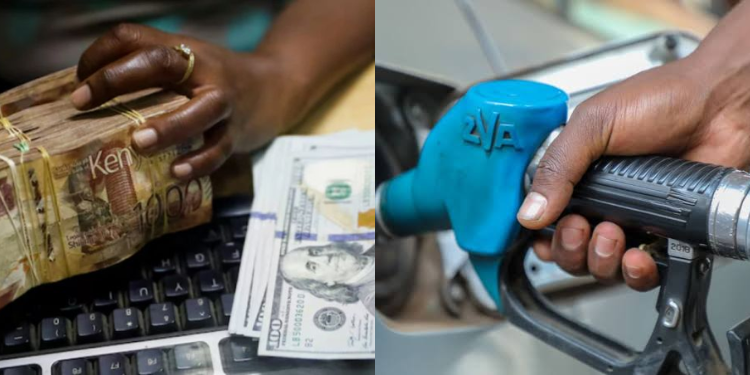
Kenya’s overall headline inflation rose to 6.8% in September 2026, up from 6.6% in August, with the increase largely driven by higher core inflation.
According to the Central Bank of Kenya (CBK) Weekly Bulletin released on Friday, October 2, 2026, core inflation increased to 4.0% from 3.4%, mainly due to higher prices of processed food items, particularly milk and wheat products.
At the same time, non-core inflation moderated to 14.0% from 14.7%.
Oil Prices Decline in Early October
Murban crude oil prices declined to USD 95.76 (Ksh 12, 425) per barrel on October 1 from USD 97.36 (Ksh 12, 632) on September 24.
Also Read: Kenya Shilling Weakens Slightly as Global Oil Prices Decline
CBK attributed the decline to easing supply concerns despite continued tensions in the Middle East.
Gold Prices Also Decline
Spot gold prices declined to USD 4,177.76 per ounce on October 1 from USD 4,277.98 the previous week.
At the same exchange rate, the latest price was equivalent to approximately Ksh 542,064 per ounce, down from about Ksh 555,068.
CBK attributed the decline to reduced safe-haven demand.
Shilling Remains Stable
The Kenya Shilling remained relatively stable during the week ending October 1.
It exchanged at Ksh 129.71 per US dollar on October 1, compared with Ksh 129.48 on September 24.
Foreign exchange reserves stood at USD 14.93 billion (approximately Ksh 1.94 trillion) as of October 1, providing 6.1 months of import cover. This remained above CBK’s statutory requirement to endeavour to maintain at least four months of import cover.
Money Market Remains Liquid
The money market remained liquid, with commercial banks’ excess reserves averaging Ksh 22.1 billion above the 3.25% Cash Reserve Ratio requirement. KESONIA remained stable at 8.75%.
Also Read: EPRA Announces New Fuel Prices as Global Oil Surges Past $100
However, the average number of interbank transactions fell to 14 from 27, while the average value traded declined to Ksh 9.5 billion from Ksh 14.5 billion.
Treasury Securities Attract Strong Demand
The Treasury bill auction on October 1 received bids worth Ksh 47.7 billion against an advertised Ksh 28.0 billion, representing a 170.4% performance.
Interest rates on the 91-day, 182-day, and 364-day Treasury bills declined.
The September 30 Treasury bond auction received bids worth Ksh 80.6 billion against Ksh 50.0 billion, representing a 161.1% performance.
NSE Activity Declines
At the Nairobi Securities Exchange, the NASI, NSE 25 and NSE 20 indices declined by 0.66%, 0.91% and 0.95%, respectively.
Market capitalisation fell by 0.66%, while total shares traded and equity turnover declined by 52.02% and 56.43%.
Bond turnover in the domestic secondary market, however, increased by 27.7% during the week.
Kenya’s Eurobond yields increased by an average of 22.28 basis points, while yields for Côte d’Ivoire and Angola also rose.
Follow our WhatsApp channel for instant news updates.

CBK Governor Kamau Thugge. PHOTO/CBK