
Breaking Down the Real Cost of Hosting the World Cup
Share
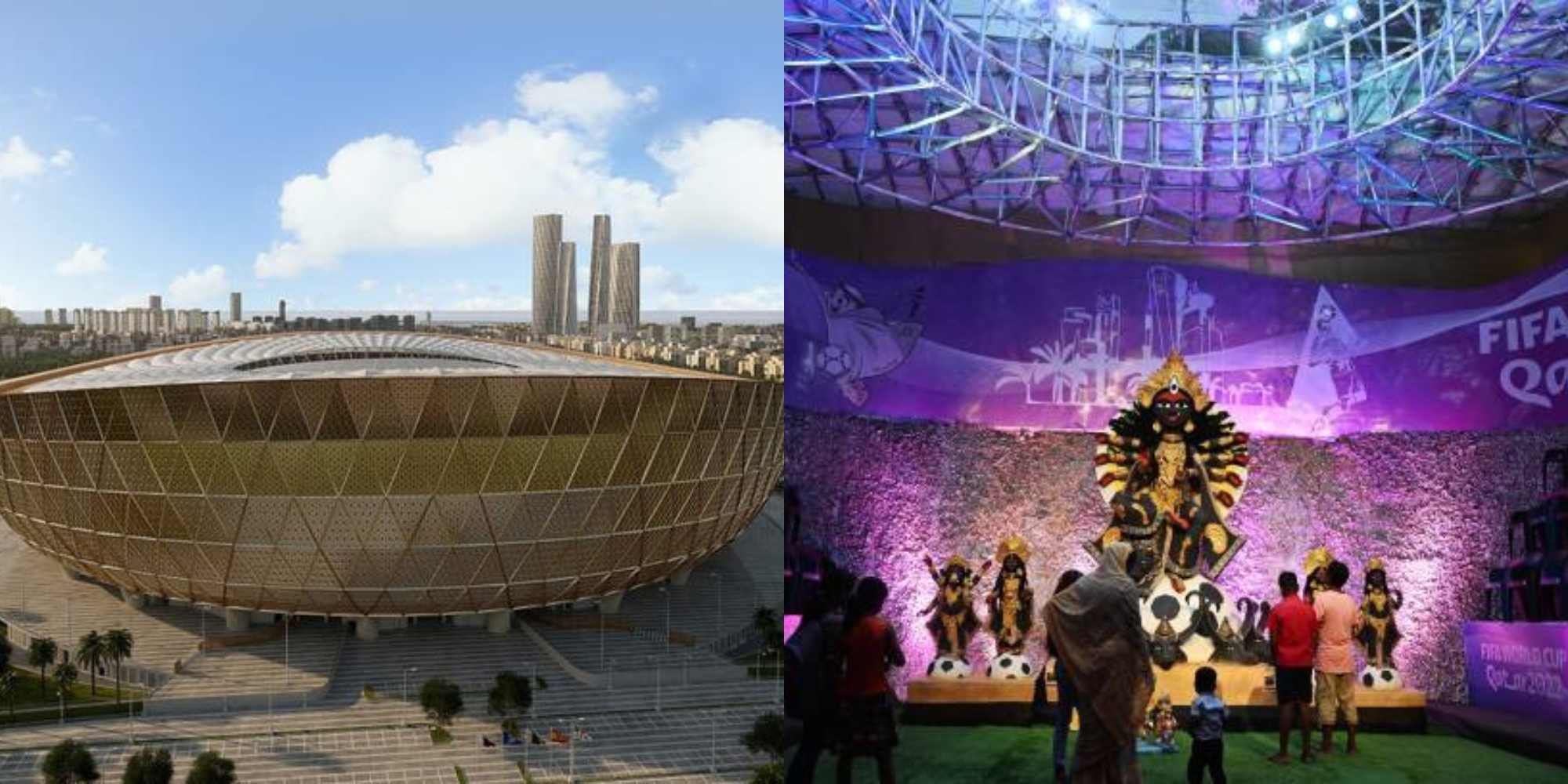
The FIFA World Cup is one of the biggest sports events in the world. It brings global attention, tourism, and national pride.
But behind the excitement is a much higher story-the real cost of hosting the tournament.
Many countries spend far more than they first planned. In some cases, the final bill reaches tens or even hundreds of billions of dollars.
- Building or upgrading stadiums
- Training facilities for teams
- Security and policing
- Transport for players, officials, and fans
- Event organization and operations
In most modern tournaments, these costs range between $3 billion and $15 billion.
For example:
- South Africa 2010 spent about $3.6 billion
- Brazil 2014 spent about $15 billion
- Russia 2018 spent about $11.6 billion
These numbers already show how expensive the tournament can be.
Infrastructure Costs: The Hidden Expense
The biggest spending usually comes from infrastructure development. These are long-term projects that go beyond football.
- Airports and rail systems
- Roads and highways
- Hotels and tourism facilities
- City upgrades and urban development
- Public transport systems
These costs can range from $10 billion to over $200 billion, depending on the country.
A major example is Qatar 2022, which spent an estimated $220+ billion on overall development linked to the World Cup.
Also Read: Former Bush Adviser Explains Why Somali World Cup Referee Was Denied Entry in US
Why Qatar’s World Cup Cost Was So High
Qatar is often used as an extreme case. However, not all the money went directly into football.
Much of the spending was part of a long-term national development plan. The World Cup acted as a catalyst for:
- New metro systems
- New cities and housing projects
- Airport expansion
- National infrastructure upgrades
Only a small portion of the total cost went directly to stadiums and tournament operations.
Who Makes Most Money from the World Cup?
While host countries spend heavily, FIFA earns strong revenue.
FIFA makes money from:
- Broadcasting rights
- Sponsorship deals
- Ticket sales
- Licensing and marketing
However, there is a major gap:
FIFA earns around $9-13 billion per cycle
Host countries may spend far more than FIFA earns
This creates debate about whether hosting is financially fair.
Also Read: The World Cup Economy: Who Really Makes the Most Money?
Why Hosting Costs Are So High
Several reasons push costs up:
1. Stadium construction
Many stadiums are built from scratch or heavily upgraded.
2. Transport pressure
Cities must improve roads, airports, and public transport quickly.
3. Security needs
Global events require large security operations.
4. Image and prestige
Countries want to showcase themselves to the world.
Do Host Countries Recover Their Money?
In most cases, full financial recovery is difficult.
Tourism increases during the event, but it is short-term
Some infrastructure is useful long-term
However, maintenance costs for stadiums can become a burden
Long-term profits are rare
Some countries benefit more than others, depending on planning and legacy use of facilities.
Follow our WhatsApp channel for instant news updates

Stadium developments and urban developments during World Cup preparations. PHOTO/Qatar