The World Cup Economy: Who Really Makes the Most Money?
Share
The FIFA World Cup is the biggest football tournament on the planet. Every four years, billions of fans watch the matches, stadiums fill up, and countries spend huge amounts of money preparing to host the event.
While players lift trophies and fans celebrate victories, a bigger question remains: who actually makes the most money from the World Cup?
The answer is not always the players or the host nations. In many cases, the biggest financial winner is FIFA itself.
FIFA earns billions of dollars from every World Cup through broadcasting rights, sponsorship deals, ticket sales, hospitality packages, and licensing agreements.
Television companies pay huge sums for the right to show matches because the tournament attracts one of the largest global audiences in sports.
Sponsors also spend heavily to associate their brands with the World Cup.
As a result, FIFA earns far more money than any single team participating in the tournament.
World Cup: Broadcasters Cash In on Global Audiences
Television networks and streaming platforms are among the biggest beneficiaries of the World Cup.
Broadcasters pay billions for media rights but recover their investment through advertising sales and subscription revenue.
Companies are willing to spend heavily on adverts because millions of viewers tune in to watch the matches.
The World Cup remains one of the few events capable of attracting a global audience at the same time, making broadcasting rights extremely valuable.
Sponsors Gain Worldwide Exposure
Major international brands also profit from the tournament.
Companies such as Coca-Cola, Adidas, Visa, and Hyundai invest hundreds of millions of dollars to become official World Cup sponsors.
The tournament gives these brands exposure to billions of viewers across different countries. The visibility often helps them increase sales, strengthen customer loyalty, and expand into new markets.
For many sponsors, the World Cup is one of the most powerful marketing platforms in the world.
Players Receive Only a Small Portion
Although football stars are the faces of the tournament, they receive only a small share of the total revenue generated by the World Cup.
FIFA distributes prize money to participating teams and football associations. Players also receive bonuses from their national teams.
However, the amount shared among teams is only a fraction of the billions generated by the competition.
This means the athletes who entertain fans around the world do not receive the largest financial rewards from the event.
Also Read:Iran World Cup Team Ordered to Exit U.S. Same Day After Matches and Train in Mexico
Do Host Countries Really Benefit?
Hosting the World Cup can bring economic opportunities.
The tournament attracts tourists, creates temporary jobs, and increases spending on hotels, restaurants, transport, and entertainment. Host countries also gain international exposure that can boost tourism in the future.
However, economists remain divided on whether hosting delivers long-term financial benefits.
Many countries spend billions building stadiums, roads, airports, and other infrastructure. In some cases, these facilities become expensive to maintain after the tournament ends.
While some host nations see lasting benefits, others struggle to recover the money they invested.
Also Read:Why Ruto Is Heading to Europe: Trade, Jobs and New Investment Deals on the Table
Local Businesses See Mixed Results
The World Cup can be a major boost for local businesses, especially those in tourism and hospitality.
Hotels, airlines, restaurants, bars, and transport operators often enjoy a surge in customers during the tournament.
However, not every business benefits equally. Some regular tourists avoid host cities because of higher prices and large crowds. This can reduce business for certain sectors.
As a result, the economic impact is often uneven across different industries.
Fans Are Paying More Than Ever
Attending a World Cup has become increasingly expensive.
Ticket prices, accommodation costs, flights, and other travel expenses have risen significantly over the years.
For many supporters, following their national team at the tournament requires a substantial financial commitment.
Public argue that football’s biggest event is becoming more commercialized and less affordable for ordinary fans.
Follow our WhatsApp channel for instant news updates

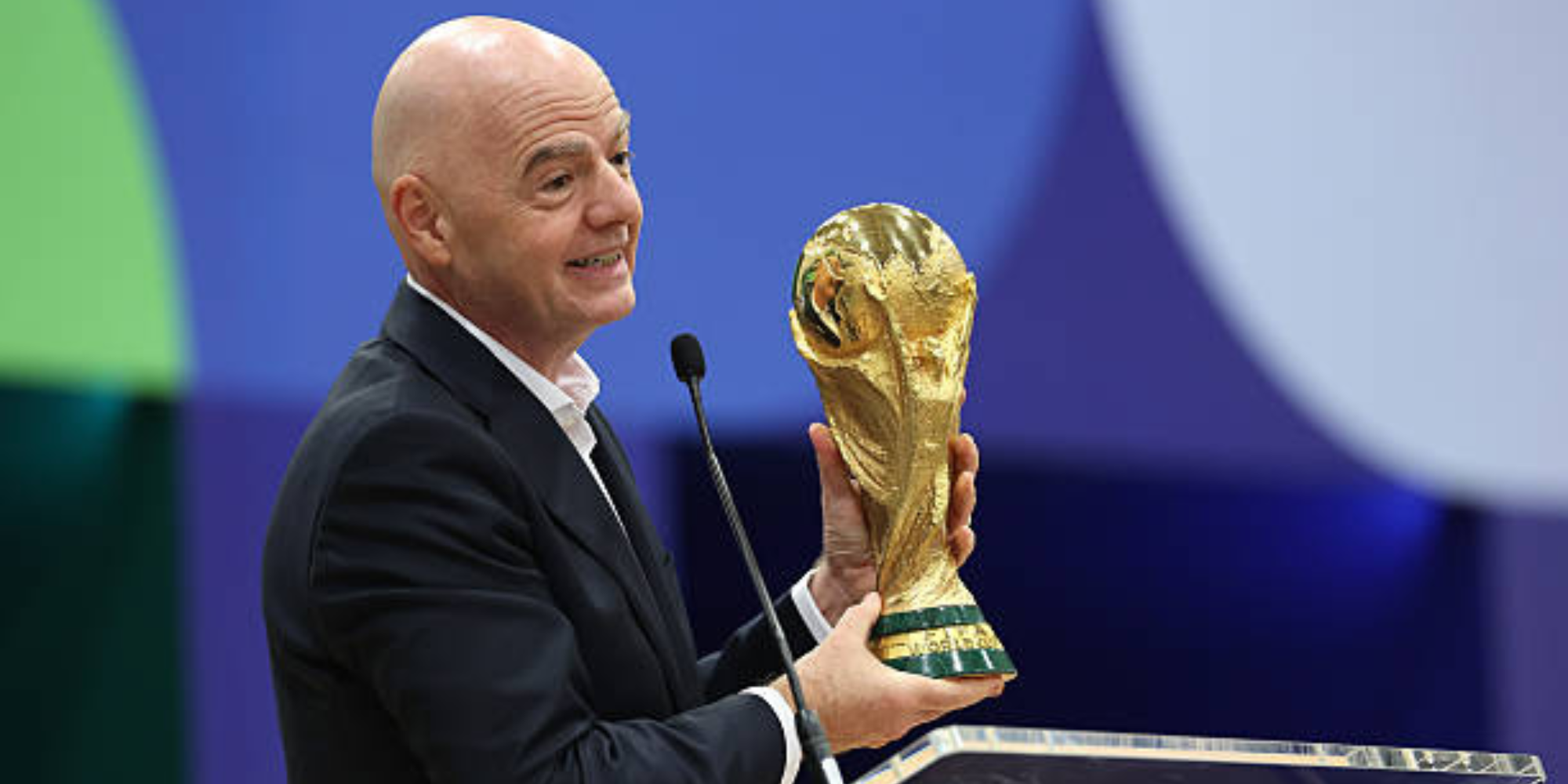
FIFA World Cup Trophy. PHOTO/FIFA