
CJ Koome Issues Fresh Directives Amid Nationwide Court Boycotts by LSK
Share
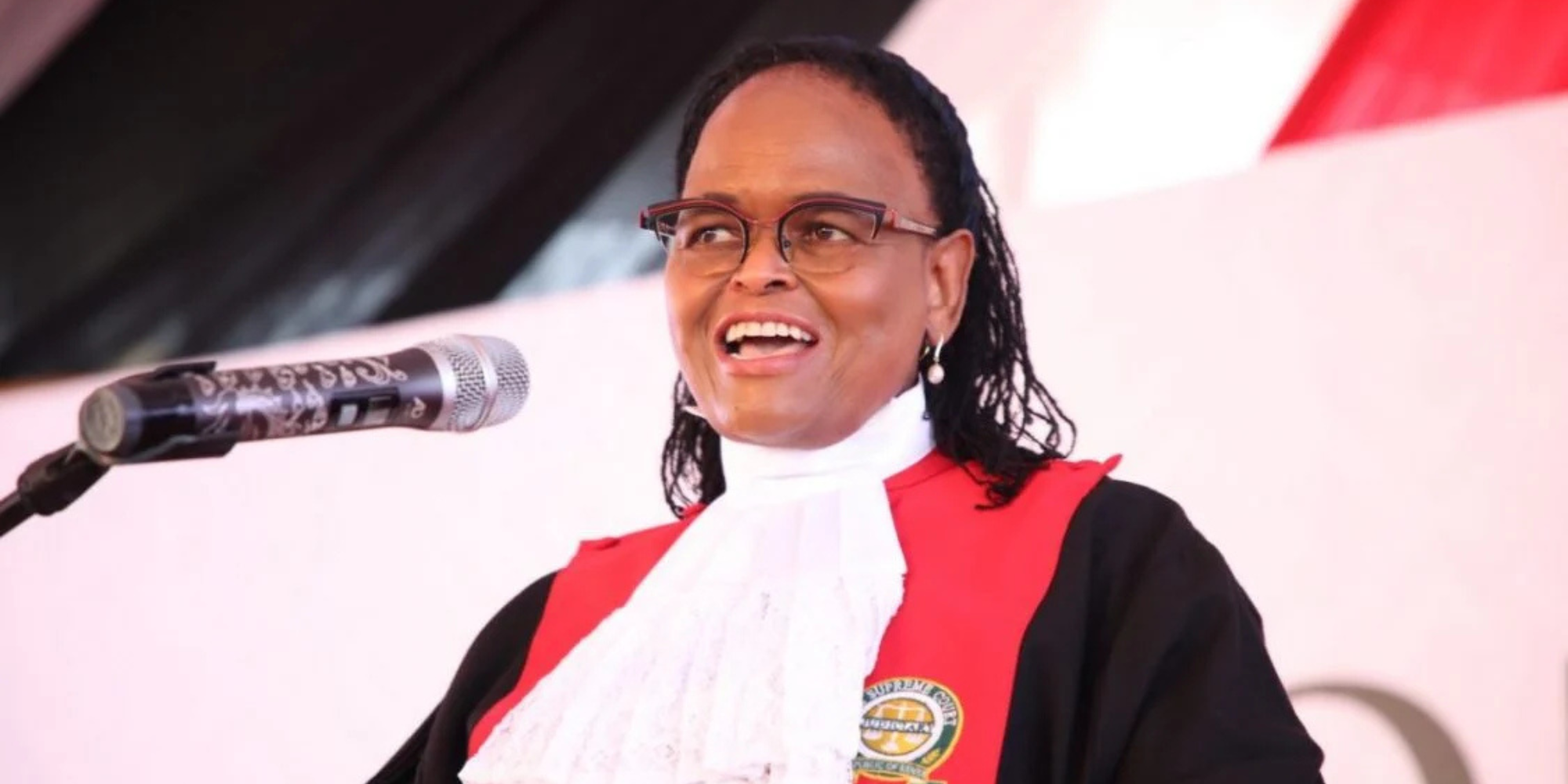
Chief Justice Martha Koome has issued fresh directives to strengthen justice delivery and coordination across institutions amid nationwide court boycotts by the Law Society of Kenya (LSK).
In a statement issued on Wednesday, July 29 2026, after the conclusion of the 38th meeting of the National Council on the Administration of Justice (NCAJ), the Council, with CJ Koome, adopted wide-ranging resolutions aimed at strengthening the administration of justice and improving coordination among justice-sector institutions.
“We assure Kenyans that there is no crisis in the justice sector and remain committed to justice delivery. Our operations are well-structured, and we collaborate closely across institutions. The NCAJ is represented at the grassroots through court user committees, which help enhance the administration of justice. These committees address local issues directly and escalate more complex matters to the NCAJ. As stakeholders, we remain committed to strengthening the administration of and access to justice for all Kenyans at every level,” read part of the statement.
Before discussing its agenda, the Council, together with CJ Koome, launched five reform initiatives to improve justice delivery.
The initiatives include people-centred justice guidelines, a background study on people-centred justice, the Justice Sector ICT Policy and Action Plan, procedures for handling sexual and gender-based violence (SGBV) cases at the grassroots and procedures for developing a common approach to clearing heavy workloads and case backlogs.
Also Read: Judiciary Fires Back at LSK, Orders Courts to Proceed as Usual
CJ Koome Strengthens Collaboration Across Justice Institutions
The Council reaffirmed the need to enhance coordination through sustained dialogue and adherence to constitutional principles, and especially the need to always enhance access to justice.
This was in recognition of the fact that effective collaboration among justice-sector institutions remains indispensable to fair, efficient, and accessible justice delivery.
The Council members committed to sustained dialogue and joint efforts while working towards a unified approach that serves the interests of justice seekers and the people of Kenya.
Additionally, the Council urged justice-sector institutions to accelerate digital transformation while ensuring every institution benefits from the shift.
NCAJ Strengthens Justice Sector Preparedness for 2027 Elections
The Council also shifted focus to preparations for the 2027 General Election, highlighting the importance of cooperation among institutions involved in electoral processes.
“Inter-agency coordination and partnership are essential for a peaceful and orderly electoral environment. Following a briefing by the Independent Electoral and Boundaries Commission (IEBC), the NCAJ reactivated its Ad Hoc Committee on Election Preparedness, led by the IEBC Chairperson. The Committee will coordinate justice-sector preparedness and strengthen collaboration among relevant institutions to support constitutional, peaceful and credible electoral processes,” NCAJ stated.
Following the briefing, the NCAJ reactivated the Ad Hoc Committee on Election Preparedness to coordinate justice-sector readiness and strengthen cooperation among relevant institutions.
NCAJ Approves Sexual Offences Bill and Wildlife Crime Measures
Beyond elections, the Council tackled criminal justice reforms, including the draft Sexual Offences Bill 2026.
The Council approved the draft Bill and will submit it to the National Assembly after making updates.
The proposed legislation seeks to address emerging forms of sexual and gender-based violence, including technology-facilitated offences, while strengthening legal protections relating to femicide and improving support for survivors.
At the same time, the NCAJ moved to strengthen the fight against wildlife crimes, including poaching, illegal bush meat trade, and trafficking of wildlife trophies.
The Council noted that these offences threaten conservation efforts, national security and public health.
After receiving a presentation from the Kenya Wildlife Service, the Council called on institutions to strengthen measures that prevent, investigate and respond to wildlife crimes.
Also Read: CJ Koome Breaks Silence After Magistrate’s Arrest Over Bribery Claims
Justice Council Advances Road Safety and Criminal Justice Reforms
The Council also prioritized road safety, describing it as a national priority that saves lives, reduces court congestion and promotes timely justice for road users.
It urged the National Transport and Safety Authority (NTSA) and other agencies to continue implementing reforms within the rule of law to reduce road fatalities.
The NCAJ further strengthened criminal investigation procedures by approving changes to the identification parade process.
“The Council recognized the identification parade as a critical evidentiary process in criminal investigations, ensuring witnesses can identify suspects fairly and transparently. The Council approved a revised Identification Parade Form for use by the National Police Service. This form aligns with the Constitution of Kenya, 2010, international human rights standards, and best practices in criminal justice administration,” the statement read.
NCAJ Explores Special Courts and Open Prisons
Meanwhile, the Council established committees led by the Judiciary and the State Department for Correctional Services to examine the possibility of creating Specialized Recovery Treatment Courts and Open Prisons.
The committees will assess how the proposed initiatives can support rehabilitation, reduce repeat offences, and help offenders reintegrate into society.
The Council also reviewed the National Guidelines on Interviewing Children in the Justice System to protect children, uphold their rights, and improve access to justice.
“These guidelines provide a framework for child-sensitive interviewing practices, promoting a more equitable and effective child justice system that serves children’s best interests,” the statement added.
In conclusion, the Council reaffirmed its commitment to strengthening cooperation among justice-sector institutions and advancing reforms that promote timely, accessible, inclusive, people-centred
Follow our WhatsApp channel for instant news updates

A statement issued by NCAJ after the closure of its 38th meeting on July 29, 2026, outlining resolutions. PHOTO/ The Judiciary X
![Ruto, Koome Announce New State Appointments [FULL DETAILS]](https://hivileo.co.ke/wp-content/uploads/2026/05/Ruto-Koome-Appointments-183x96.png)
![Ruto, Koome Announce New State Appointments [FULL DETAILS]](https://hivileo.co.ke/wp-content/uploads/2026/05/Ruto-Koome-Appointments-80x80.png)
