
Fuel Price Hike Looms as Global Oil Hits Ksh 12,943 per Barrel Ahead of EPRA Review
Share
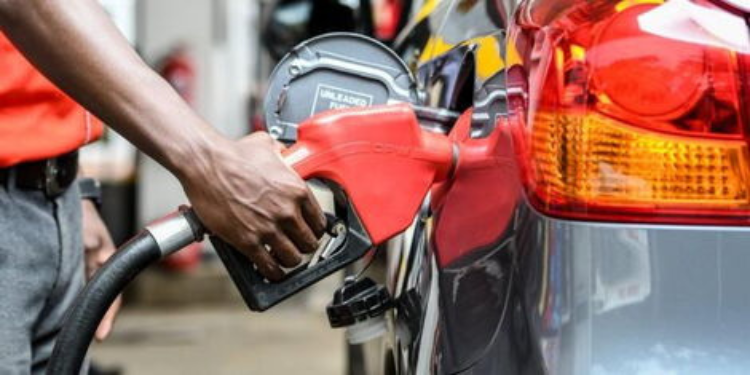
Kenya’s fuel prices could rise after global oil prices surged past $100 per barrel, equivalent to about Ksh12,943, ahead of the Energy and Petroleum Regulatory Authority’s (EPRA) next pump price review on Monday, September 14, 2026.
Brent crude climbed above $100 per barrel on Wednesday, September 9, and settled at $101.21 as escalating US-Iran tensions heightened concerns about disruptions to global oil supplies.
The latest surge followed growing fears that the conflict could disrupt oil shipments through the Strait of Hormuz, a key route for global petroleum trade.
Speaking as oil traded above $100, US President Donald Trump said he expected prices to fall after the US midterm elections.
“Right after the election, oil prices are going to be tumbling downward. They’re going to be tumbling down, and we’ll get them down,” Trump said.
EPRA Fuel Prices Review Set for September 14
Meanwhile, EPRA will announce the new fuel prices on Monday, September 14, 2026, as the current pricing cycle ends. The revised rates will take effect from September 15.
Under the current rates, motorists in Nairobi pay Ksh 214.03 per litre for petrol, Ksh 217.86 for diesel and Ksh 191.38 for kerosene.
In Mombasa, petrol costs Ksh 210.87 per litre, while diesel sells at Ksh 214.58 and kerosene at Ksh 188.09.
Also Read: EXPLAINED: Why Global Oil Prices Rose in Early September 2026
EPRA uses several factors to determine the monthly pump prices, including the landed cost of imported petroleum products and exchange-rate movements.
As a result, the recent increase in global crude prices could put upward pressure on the September review, although the regulator will consider all components of its pricing formula before setting the new rates.
CBK Reports Rise in Murban Crude
Separately, Central Bank of Kenya (CBK) data showed that Murban crude oil rose to $86.01 (Ksh 11,142) per barrel on September 3 from $81.78 on August 27.
The increase reflected rising concerns about oil supply risks following renewed tensions between the United States and Iran.
Also Read: Kenya Raises Alarm Over Red Sea Attacks, Warns They Could Drive Up Fuel and Air Ticket Prices
Middle East Tensions Drive Oil Higher
At the same time, continued fighting in the Middle East has intensified concerns over oil supplies and international shipping routes.
The Strait of Hormuz remains particularly important because disruptions along the route can affect the movement of crude oil and petroleum products to international markets.
For American motorists, Trump said he expected fuel costs to decline eventually.
“I think, for gasoline, we’ll get them below $2 a gallon,” Trump said.
However, Trump acknowledged that consumers might wait longer for the decline, saying, “I think it’s going to take a little bit longer than the midterm.”
For Kenya, the focus now shifts to EPRA’s September 14 announcement as the regulator will assess the prevailing international petroleum costs, exchange-rate movements and other pricing components before determining the pump prices that will apply from September 15.
Follow our WhatsApp channel for instant news updates

A photo of EPRA Director General Joseph Oketch. PHOTO/Joseph Oketch