

Global Oil Prices Continue to Fall, but Kenyans May Have to Wait Longer for Cheaper Fuel
Share


Global oil prices have continued to decline, easing inflationary pressure and offering hope for lower fuel costs.
However, Kenyan motorists may have to wait several weeks before the reduction is reflected at local petrol stations.
This is according to the Central Bank of Kenya (CBK) in its latest Monetary and Financial Developments report released on Friday, July 3, 2026.
Global Oil Prices Drop Again, but EPRA Says Cheaper Fuel Will Take Time
The report shows that Murban crude oil prices fell to USD 67.99 (Ksh 8,793.15) per barrel during the week ending July 2, down from USD 69.00 (Ksh 8,923.77) the previous week.
CBK attributed the decline to easing geopolitical tensions following a preliminary ceasefire agreement between the United States and Iran.
Also Read: Global Oil Prices Continue to Fall as Shipping Through Strait of Hormuz Returns to Normal
Despite the continued drop in global oil prices, the Energy and Petroleum Regulatory Authority (EPRA) has maintained that local fuel prices will not fall immediately.
According to EPRA Petroleum and Gas Director Edward Kinyua, Kenya’s fuel pricing system is based on petroleum cargoes that were ordered, shipped, and paid for 30 to 45 days earlier.
As a result, any reduction in global oil prices takes about one to one-and-a-half months before it is reflected in pump prices.
Kinyua explained that the fuel currently being sold in Kenya was imported when global oil prices were still higher, meaning consumers will have to wait for the cheaper shipments to arrive before seeing lower prices.
Inflation Eases
CBK also reported that Kenya’s inflation continued to slow in June, helped by lower energy and food prices.
Overall inflation fell to 6.4% in June, down from 6.7 % in May. The bank said the decline was driven by lower fuel-related costs, transport charges, and food prices.
Core inflation, which excludes volatile food and energy prices, eased slightly to 3.1% from 3.2%, while non-core inflation dropped to 15.1% from 16.0%.
Kenya Shilling Remains Stable
The report further showed that the Kenyan shilling remained stable against major international and regional currencies.
The local currency exchanged at Ksh129.30 per US dollar on July 2, compared to Ksh129.63 a week earlier.
Foreign Exchange Reserves Stay Strong
CBK said Kenya’s foreign exchange reserves remained adequate at USD 14.05 billion, equivalent to about six months of import cover.
Also Read: CBK Holds Interest Rate at 8.75% as Inflation Jumps and Global Oil Prices Surge
This is well above the legal requirement of at least four months of import cover and provides the country with a buffer against external economic shocks.
Treasury Bill Demand Remains High
The report also showed strong investor demand for government securities.
The Treasury bill auction held on July 2 attracted bids worth Ksh 35.2 billion, well above the government’s target of Ksh 24 billion, representing a performance rate of 146.6%.
Interest rates on the 91-day, 182-day, and 364-day Treasury bills increased slightly.
Stock Market Posts Strong Gains
At the Nairobi Securities Exchange (NSE), share prices continued to rise during the week.
The NSE All Share Index (NASI), NSE 25, and NSE 20 indices all recorded gains, while market capitalisation, the number of shares traded, and overall equity turnover also increased significantly, indicating improved activity at the stock market.
Global Economic Outlook
Globally, CBK noted that inflation in the Euro Area continued to ease, while the US dollar weakened slightly as demand for the currency softened.
Meanwhile, gold prices rose as investors continued to seek safe-haven assets despite improving market sentiment.
The central bank said global commodity prices recorded mixed performance during the week, with oil prices declining while gold prices moved higher.
Follow our WhatsApp channel for instant news updates
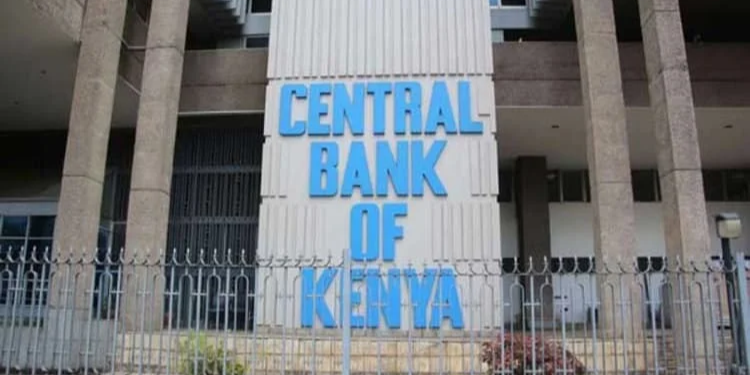
Central Bank of Kenya Office Building in Nairobi. PHOTO/CBK