

How Airlines, Hotels, and Global Brands Cash In During the World Cup
Share
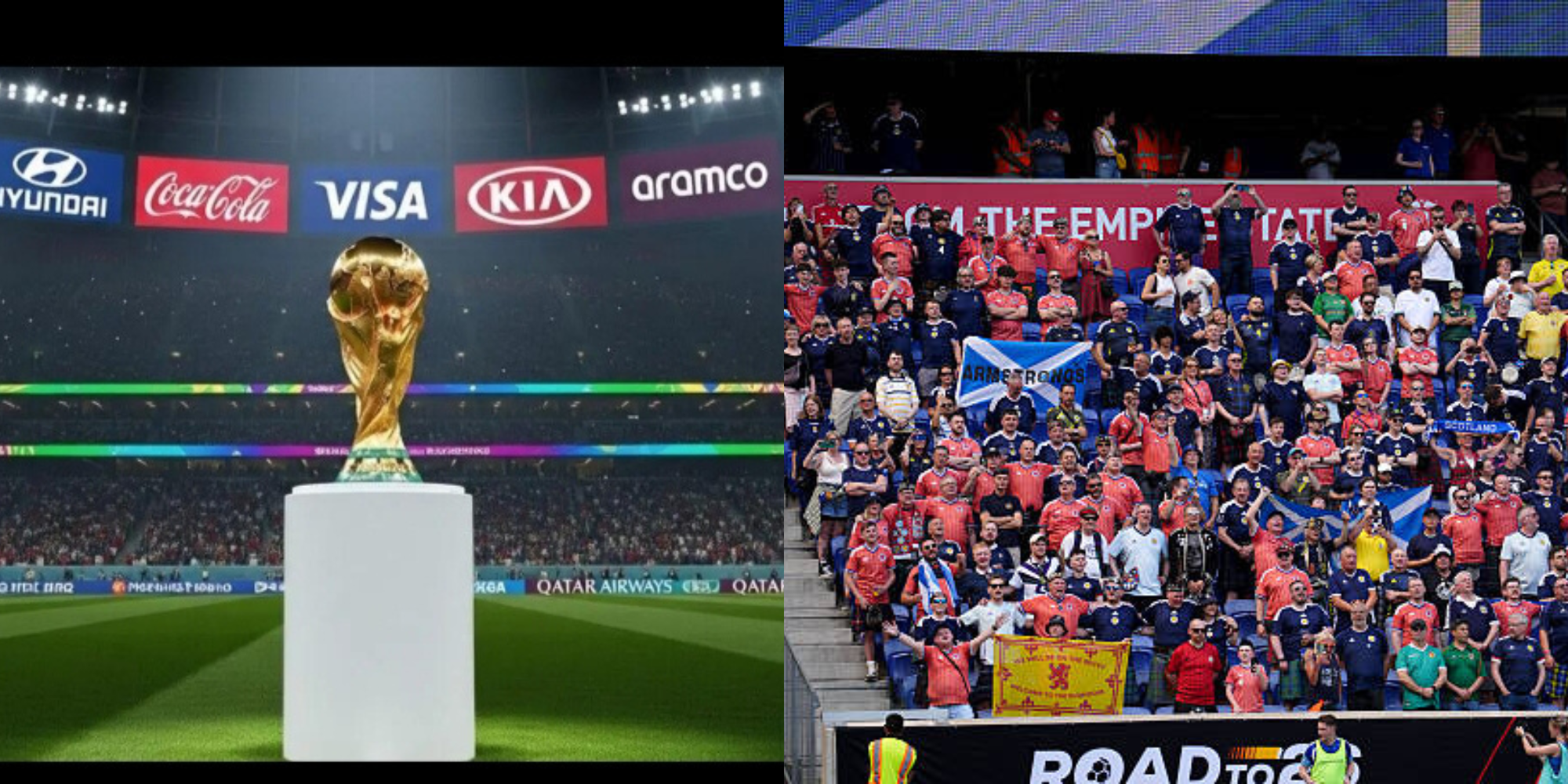
The FIFA World Cup is more than a football tournament.
It is one of the biggest global economic events, generating a short-term boost in travel, tourism, and advertising.
Every four years, airlines, hotels, and global brands position themselves to take advantage of millions of fans traveling, watching, and spending.
The World Cup triggers a massive increase in international and regional travel.
Fans fly between countries and host cities, often booking flights months in advance or paying premium prices close to match days.
Airlines benefit in several ways:
- Higher demand leads to increased ticket prices
- Fully booked flights on key routes to host cities
- More connecting flights between match venues
- Growth in group travel packages and fan tours
Major carriers also use the tournament for branding.
Some become official FIFA partners, giving them global visibility and preferred access to fan travel markets. The result is both direct revenue and long-term customer growth.
Hotels See Record Occupancy and Price Surges
Hotels in host cities are among the biggest winners during the World Cup. Demand rises sharply as fans, teams, media crews, and corporate guests arrive.
Key benefits for the hotel industry include:
- Near-full occupancy during match periods
- Significant price increases due to demand pressure
- Millions of room nights booked across host regions
- Growth in Airbnb and short-term rental income
In many past tournaments, hotel prices in host cities have increased dramatically, especially during high-profile matches.
Surrounding cities also benefit as visitors expand their travel plans beyond stadium locations.
Also Read: EXPLAINER: 2026 FIFA World Cup New Rules and Updates
Global Brands Turn the World Cup Into a Marketing Machine
The World Cup is one of the most valuable advertising platforms in the world.
Brands compete for sponsorship rights because of its massive global audience.
Companies invest heavily in:
- Official FIFA sponsorship deals
- Stadium and broadcast advertising
- Digital campaigns targeting global fans
- Athlete endorsements and team partnerships
FIFA earns billions of dollars from commercial deals during each World Cup cycle.
Sponsorship slots are often sold out years in advance, reflecting the tournament’s unmatched marketing value.
Industries that benefit most include:
- Sportswear companies
- Food and beverage brands
- Technology and telecom companies
- Travel and hospitality companies
These brands use the event to reach billions of viewers across different continents at the same time.
Also Read: How FIFA Turns the World Cup Into a Multi-Billion-Dollar Business
Hospitality, Food, and Retail Also Profit
Beyond airlines and hotels, local businesses experience a strong boost in spending.
- Restaurants and fast-food chains see higher sales
- Fan zones increase spending on food, drinks, and merchandise
- Retail stores benefit from jersey and souvenir sales
- Delivery services experience increased demand during matches
Global TV Audiences Drive the Real Value
While tourism is important, the biggest financial driver is global broadcasting.
- Billions of viewers watch the tournament worldwide
- Advertisers pay premium rates for global exposure
- Matches attract simultaneous audiences across continents
- Brands gain unmatched visibility in a short period
This global attention is what makes the World Cup one of the most expensive advertising opportunities in sports.
Follow our WhatsApp channel for instant news updates
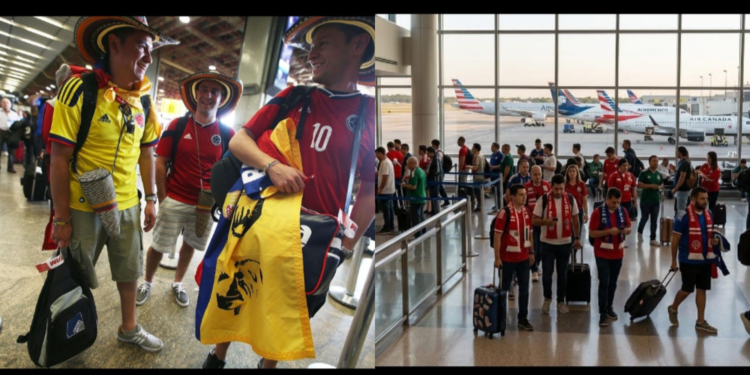
World Cup Fans checking in or boarding flights
PHOTO/FIFA