How FIFA Turns the World Cup Into a Multi-Billion-Dollar Business
Share
Unlike most sports organizations that earn money every year from league competitions, FIFA operates on a four-year World Cup cycle.
Most of its revenue comes from the men’s FIFA World Cup.
FIFA’s revised budget projects $13 billion in revenue for the 2023-2026 cycle, with the 2026 World Cup expected to generate the largest share.
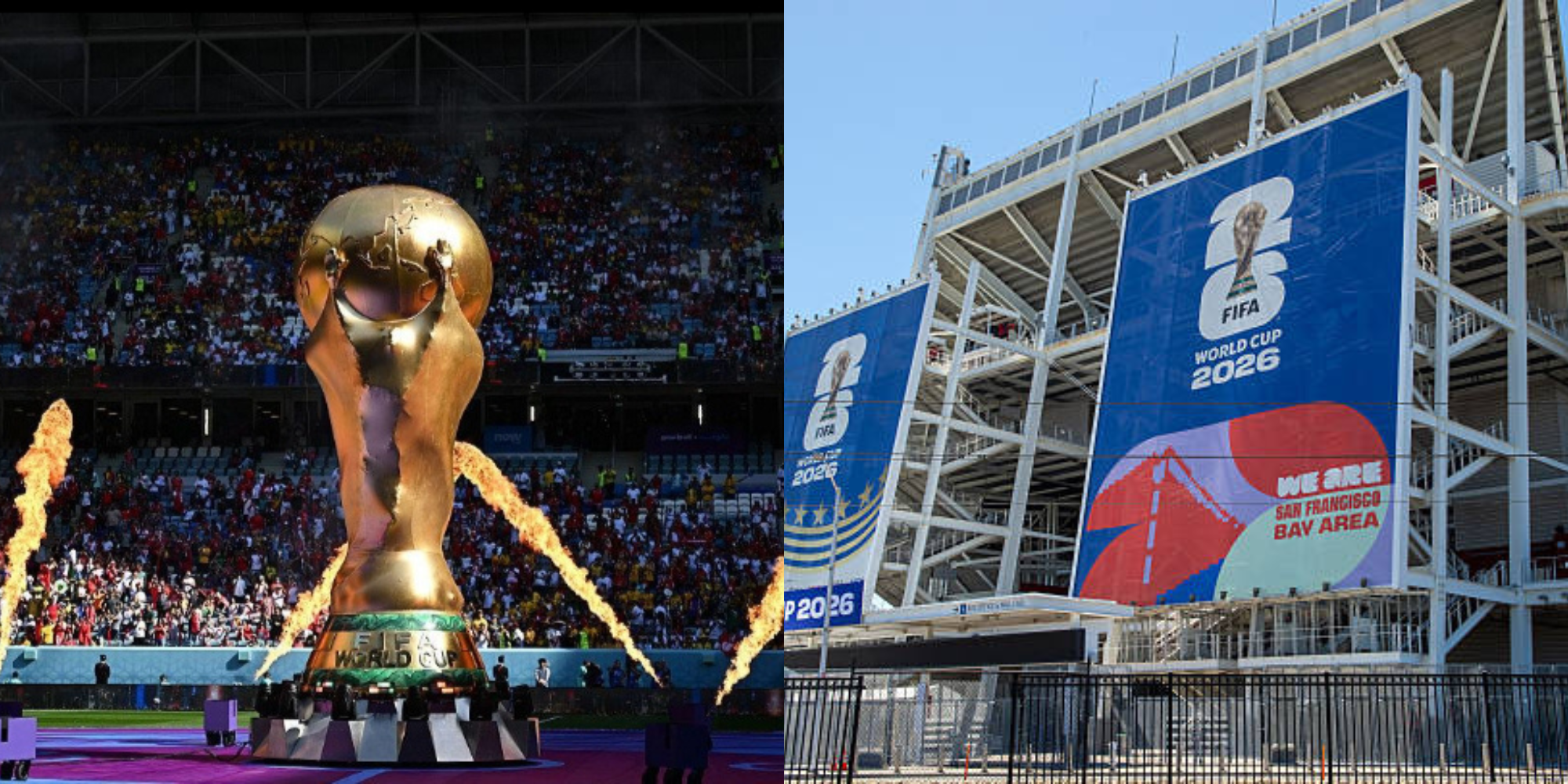
The expanded 2026 tournament, featuring 48 teams and 104 matches, is expected to become the most lucrative World Cup in history.
The 2026 World Cup, which will be hosted by the United States, Canada, and Mexico, is expected to be FIFA’s biggest money-maker yet.
FIFA World Cup Cashes In on Global TV Audiences
Broadcasting rights remain FIFA’s largest source of income.
Television networks and streaming platforms pay billions of dollars for the right to show World Cup matches because the tournament attracts one of the largest audiences in global sports.
For many broadcasters, the World Cup is a chance to attract huge numbers of viewers and advertisers. This makes media rights extremely valuable and highly competitive.
As a result, broadcasting deals are expected to generate nearly $4 billion for FIFA during the 2026 tournament cycle.
Global Brands Pay Billions to Be Associated With FIFA
Sponsorship is another major source of revenue.
Some of the world’s biggest companies pay FIFA for the opportunity to promote their brands during the World Cup.
Sponsors gain access to global advertising opportunities, official branding rights, and exclusive marketing campaigns linked to the tournament.
For companies, the World Cup offers a rare chance to reach audiences across every continent at the same time.
These sponsorship agreements are expected to contribute close to $2 billion to FIFA’s revenue during the current cycle.
Also Read:The World Cup Economy: Who Really Makes the Most Money?
Fans Help Fuel FIFA’s Earnings
Millions of supporters also play a key role in FIFA’s financial success.
Ticket sales generate significant income as fans travel from around the world to watch matches in person.
FIFA also earns money through premium hospitality packages that offer exclusive experiences for businesses and wealthy spectators.
With the 2026 tournament expanding from 32 to 48 teams and featuring more matches than ever before, ticket and hospitality revenues are expected to increase substantially.
Merchandise and Licensing Bring in Additional Revenue
FIFA’s revenue machine extends beyond stadiums and television screens.
The organization licenses its logos, trademarks, and World Cup branding to manufacturers around the world.
This allows companies to produce official merchandise such as jerseys, footballs, souvenirs, collectibles, and video games.
Every sale generates additional income for FIFA, creating another valuable revenue stream during World Cup years.
Also Read: Road to Glory Begins: World Cup 2026 Unveils Epic 104-Match Schedule Across North America
FIFA Expands Its Business Beyond the World Cup
While the World Cup remains its biggest source of income, FIFA is working to diversify its revenue.
The organization has expanded competitions such as the FIFA Club World Cup in an effort to create new commercial opportunities and reduce dependence on a single tournament.
By introducing more global competitions, FIFA hopes to generate revenue throughout the year rather than relying mainly on the World Cup every four years.
Where Does the Money Go?
FIFA says a large portion of its income is invested back into football development around the world.
Through programs such as FIFA Forward, the organization provides funding to national football associations, infrastructure projects, youth development programs, and grassroots football initiatives.
However, FIFA continues to face scrutiny from critics who question how some of its revenues are spent and whether the organization remains transparent enough in its financial operations.
Follow our WhatsApp channel for instant news updates
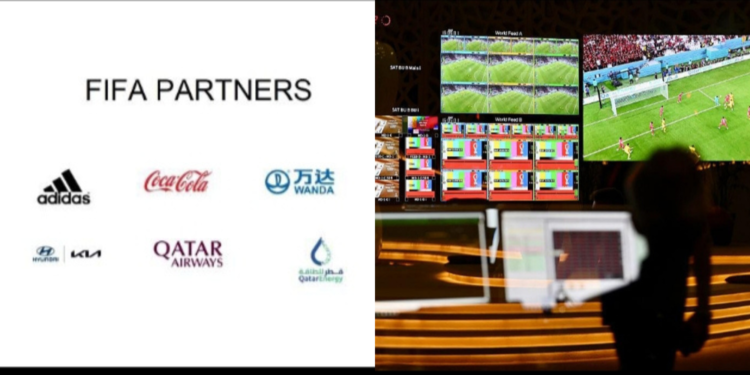
Global brands, and broadcasting rights are some of FIFA’s sources of revenue. PHOTO/FIFA