
Inside Ebola: How the Deadly Virus Emerged and Continues to Threaten the World
Share
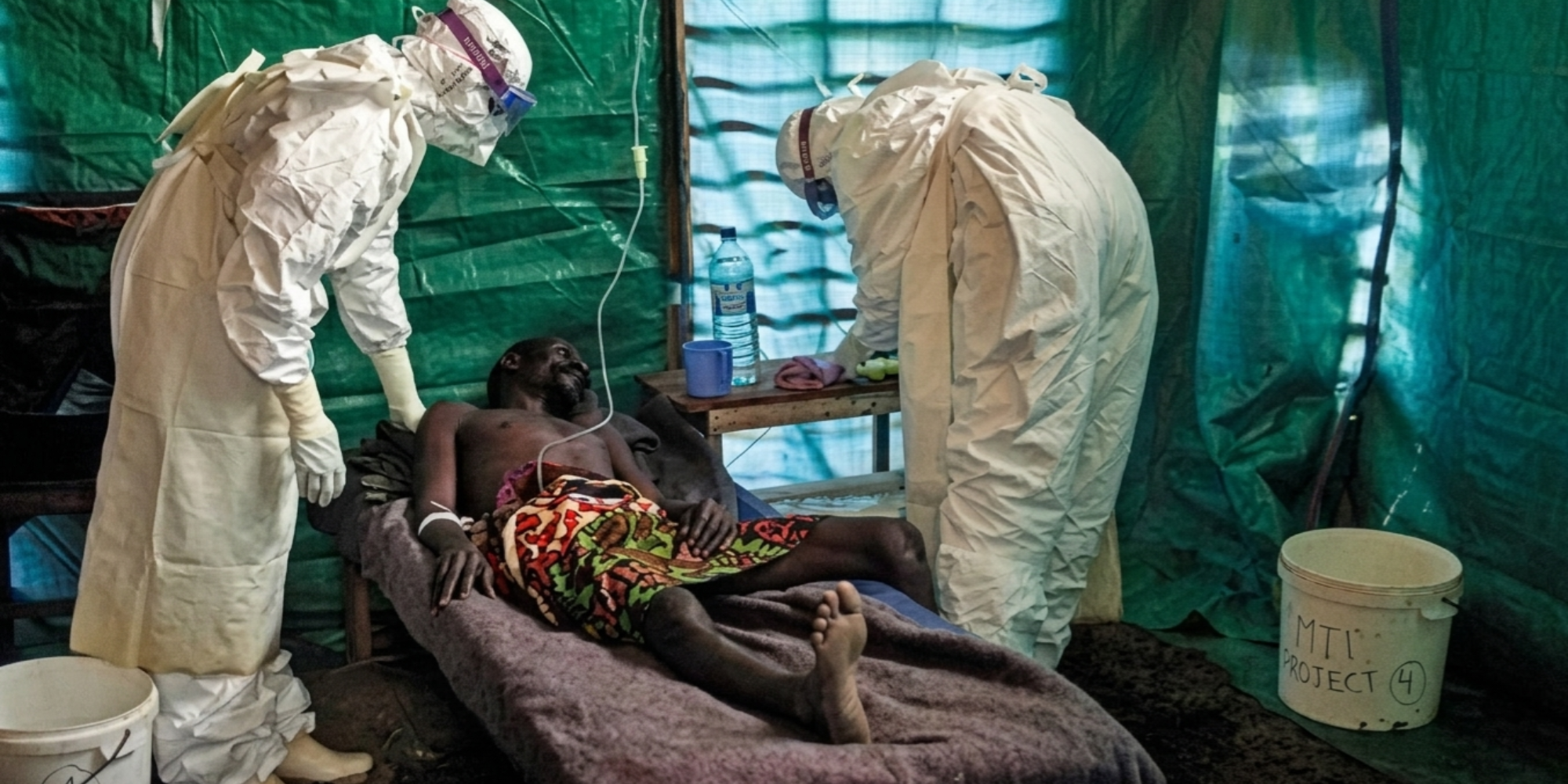
Ebola disease remains one of the world’s most feared viral illnesses because of its severity, high fatality rates, and ability to overwhelm communities within a short time.
Although rare, the disease has shaped global health responses and strengthened emergency preparedness over the years.
The World Health Organization (WHO) defines Ebola virus (EBOD) as a rare but severe illness in humans that is often fatal.
The story of Ebola began in 1976, when scientists recorded two outbreaks almost simultaneously in Africa.
One outbreak occurred in Nzara, in present-day South Sudan, while the other emerged in Yambuku, in what is now the Democratic Republic of the Congo.
Notably, the Yambuku outbreak happened near the Ebola River, which later gave the disease its name. Since then, the virus has resurfaced in periodic outbreaks, often leaving devastating effects on affected communities.
Scientists classify Ebola under viruses belonging to the Orthoebolavirus genus of the Filoviridae family.
So far, researchers have identified six species, with three causing the most significant outbreaks: Ebola virus (EBOV), Sudan virus (SUDV), and Bundibugyo virus (BDBV), each responsible for different forms of the disease.
Although researchers have developed licensed vaccines and treatments for Ebola virus disease (EVD), they have yet to approve vaccines or therapeutics for Sudan virus disease (SVD) and Bundibugyo virus disease (BVD).
Nevertheless, scientists continue to develop and test candidate products.
Also Read: Trump Breaks Silence After Kenyan Court Halts Ebola Facility Plan
Transmission and Spread of Ebola
Scientists believe fruit bats act as the natural hosts of the virus.
From there, humans contract the virus through contact with infected animals such as chimpanzees, gorillas, or antelopes.
Once the virus enters the human population, it spreads through:
- Direct contact with blood or body fluids
- Contact with contaminated surfaces or materials
“People cannot transmit the disease before they have symptoms, and they remain infectious as long as their blood contains the virus,” the Centers for Disease Control and Prevention (CDC) states.
Signs and Symptoms
At the onset, the virus presents suddenly, which makes early detection difficult. Patient’s first experience:
- Fever
- Fatigue
- Muscle pain
- Headache
- Sore throat
As the illness progresses, more severe symptoms follow:
- Vomiting and diarrhoea
- Abdominal pain
- Impaired kidney and liver function
“The incubation period or interval from infection to onset of symptoms varies from 2 to 21 days,” the National Institutes of Health (NIH) says.
While many people associate the virus with bleeding, this symptom does not usually appear early.
However, in severe cases, patients may develop:
- Internal bleeding
- Blood in vomit or faeces
- Bleeding from the nose or gums
Diagnosis and Treatment
At first, clinicians may struggle to distinguish Ebola from diseases such as malaria or typhoid because the symptoms overlap.
Therefore, laboratory confirmation becomes essential. Experts use specialized tests such as RT-PCR assays and ELISA to confirm infection under strict biohazard conditions.
Even so, patients can survive if they receive care early.
“Early intensive supportive care, including rehydration and treatment of specific symptoms, can improve survival. Seeking early care can be lifesaving,” WHO states.
Also Read: Gachagua Breaks Silence on Plan to Bring U.S. Ebola Patients to Kenya
Prevention and Control
To reduce infections, health authorities emphasize prevention strategies at both community and healthcare levels. Key measures include:
- Avoiding contact with infected animals
- Practicing safe and dignified burial procedures
- Maintaining strict hygiene and sanitation
In addition, communities play a crucial role in stopping outbreaks.
Ultimately, global organizations such as the World Health Organization continue to strengthen surveillance and response systems.
While progress continues, Ebola still reminds the world of the persistent threat posed by infectious diseases and the urgent need for preparedness to protect public health.
Follow our WhatsApp channel for instant news updates

A photo of expertises in handling ebola . Photo/ file