Kenya Starts Naivasha–Kisumu–Malaba Standard Gauge Railway Construction
Share
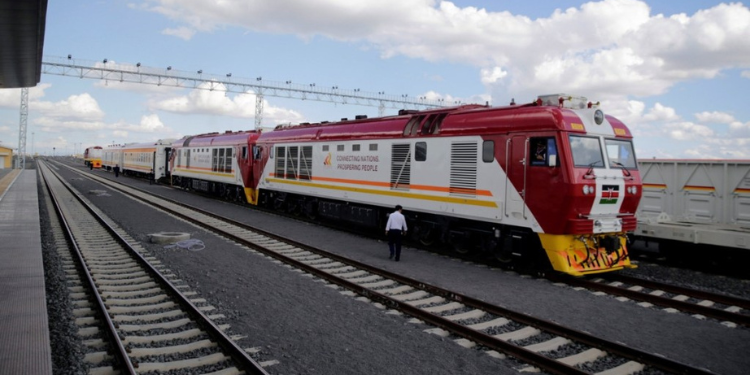
Kenya has officially commenced construction works for the long-awaited Naivasha–Kisumu–Malaba Standard Gauge Railway (SGR) project, marking a major milestone in the country’s transport and economic development agenda.
Kenya Railways confirmed on July 1 that contractors had moved to the ground in Narok County to begin implementation of the 475-kilometre railway project, which is expected to transform freight movement, regional trade and connectivity between Kenya and the Great Lakes region.
“Today is truly a great day for Kenya Railways and for Kenya. Today marks a historic milestone as the official construction works for the Naivasha–Kisumu–Malaba Standard Gauge Railway (SGR) Project have commenced in Narok County,” Kenya Railways stated.
The Ksh 700 billion railway extension is expected to stretch from Naivasha through Kisumu before reaching Malaba at the Kenya-Uganda border, creating a critical transport link that will connect Kenya’s inland logistics network with neighbouring countries.
Narok County has become a key part of the project, with approximately 100 kilometres of the railway expected to pass through the region.
Work begins months after President William Ruto officially launched the ambitious project on March 18, paving the way for construction.
Construction of Naivasha-Kisumu-Malaba SGR Divided into Important Stages
The Naivasha-Kisumu-Malaba SGR is currently broken down into two main stages for easier implementation.
The first stage is called Phase 2B, and it encompasses the Naivasha-Kisumu track, which stretches for about 264 kilometers.
Also Read: Kenya Railways Addresses Compensation Concerns Over SGR Extension Displacements
This phase also involves the construction of an 8.69-kilometer branch line that leads to Kisumu Port, which will increase efficiency in handling cargo at the port.
The second stage, Phase 2C, will encompass the Kisumu-Malaba railway track and it will stretch for about 107 kilometers through Siaya, Vihiga, Kakamega and Busia counties up to the point where the train crosses the border into Uganda.
When operational, the railway track will offer faster transport routes for goods from the Port of Mombasa to the Nairobi Inland Container Depots, all the way west up to Uganda and the Great Lakes region.
The project will also provide thousands of direct and indirect job creation opportunities during the implementation phase while providing new economic avenues for the communities located along the railway line.
Land acquisition has been one of the major concerns associated with large-scale infrastructure development projects, but Kenya Railways confirmed that there are steps being taken to handle the complaints of the people whose lands will be acquired.
The company confirmed that it is working closely with the National Land Commission (NLC) regarding the issue of land acquisition, with officers involved in the process and the compensation of over 3,500 land owners whose lands have been affected.
Regional Trade Link Between Kenya and Uganda
The Naivasha-Kisumu-Malaba SGR forms part of Kenya’s broader plan to establish a modern railway connection to Uganda and other neighbouring economies.
Also Read: Naivasha–Kisumu–Malaba SGR: Full Route, Stations and What to Expect
The Malaba extension is expected to connect with Uganda’s planned 272-kilometre Kampala-Malaba SGR line, creating a continuous railway network between the two countries.
The regional railway project gained momentum after President Ruto and Uganda’s President Yoweri Museveni reached an agreement in March to advance the Kampala-Malaba section, reinforcing plans to improve cross-border transport infrastructure.
The Islamic Development Bank (IDB) later approved a Ksh 95 billion (€650.75 million) financing package in June to support Uganda’s SGR project, strengthening the wider East African railway integration plan.
Kenya Railways said the Naivasha-Kisumu-Malaba extension is targeted for completion between June and August 2027, although the timeline will depend on construction progress and other implementation factors.
The project is expected to reduce dependence on road transport for heavy cargo, lower logistics costs and improve efficiency for businesses trading within East Africa.
The railway will also support industrial growth by improving access to markets, encouraging investment along the corridor and increasing the movement of agricultural products from western Kenya to major consumption and export centres.
Follow our WhatsApp channel for instant news updates
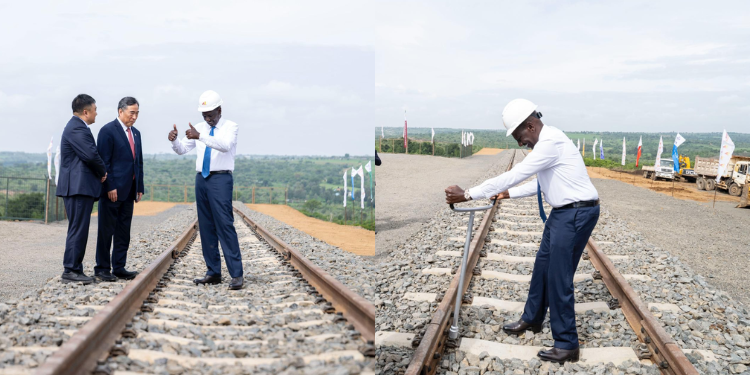
Collage photo of President William Ruto overseeing the launch of SGR extension to Malaba. PHOTO/PCS