
Kenya’s Determined Push to Exit the FATF Grey List
Share

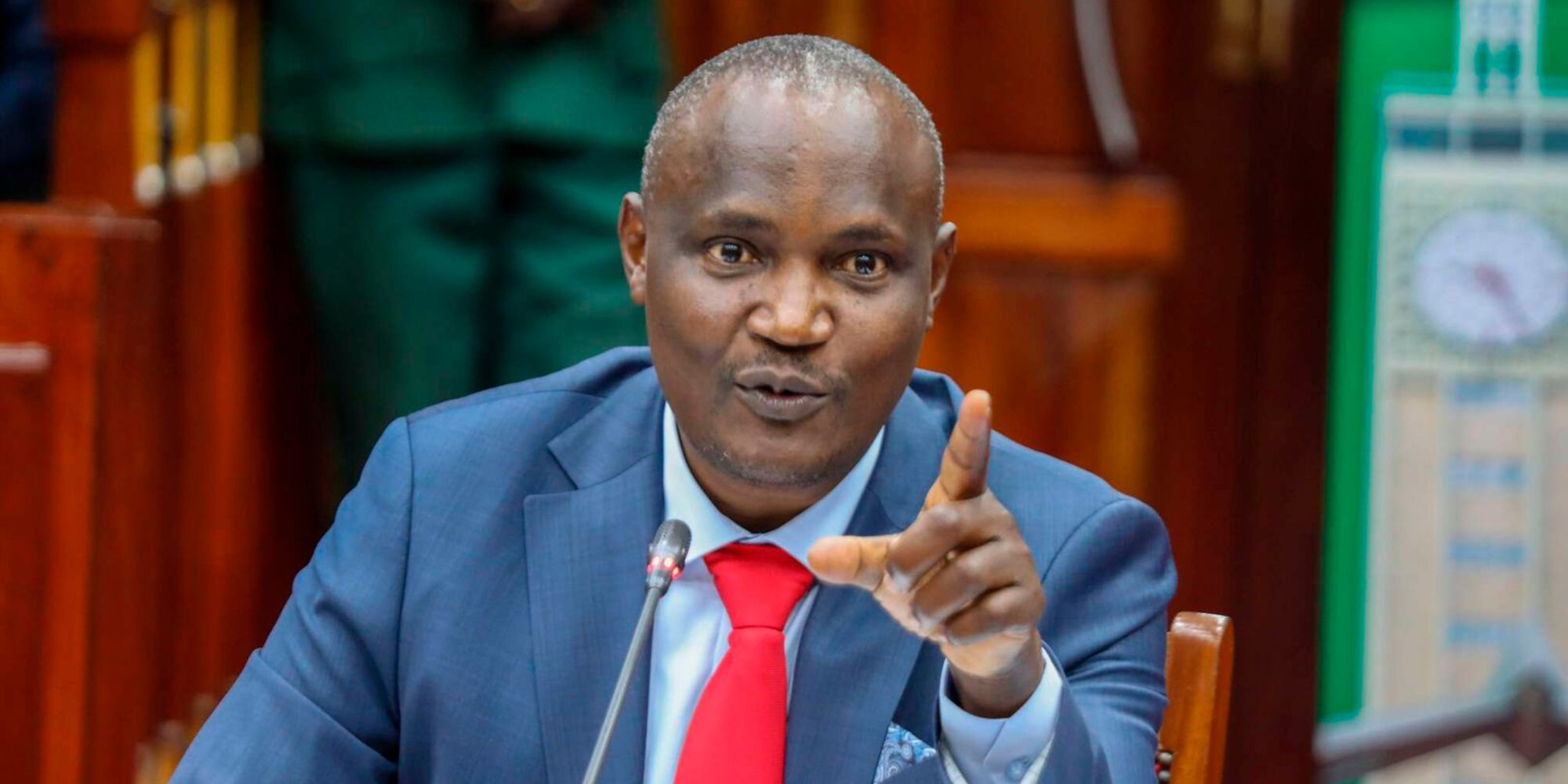
The Financial Action Task Force (FATF) is this week holding its 34th Working Group and Plenary meetings in Paris, France.
Naphtaly Rono, the Director General of the Financial Reporting Centre and the National Coordinator of the Mutual Evaluation of the Republic of Kenya, representing the Principal Secretary of the National Treasury, is leading Kenya’s delegation to the ongoing FATF Meeting.
Rono, Kenya’s Head of Delegation to the ongoing FATF meeting, reiterated the high-level political commitment of the Government of Kenya to work with the FATF and the Eastern and Southern Africa Anti-Money Laundering Group (ESAAMLG) to strengthen the effectiveness of Kenya’s Anti-Money Laundering/Combating the Financing of Terrorism (AML/CFT) regime.
He informed the International Cooperation Review Group (ICRG) of the FATF that over the last two years, when Kenya was placed under jurisdictions under increased monitoring popularly known as the Grey List, the country’s financial system continues to undergo a rapid, structural transformation and reaffirmed to the FATF that all national stakeholders are working expeditiously to address the deficiencies in Kenya’s Anti-Money Laundering, Countering the Financing of Terrorism, and Countering Proliferation Financing (AML/CFT/CPF) regime to secure a swift exit from the FATF Grey list.
Over the reporting period stretching from February 2024 to May 2026, the country has leveraged the FATF Action Plan to systematically overhaul its AML/CFT/CPF frameworks, and both AML/CFT/CPF implementing agencies and the private sector have embraced the process as a transformative catalyst.
Kenya’s Commitment to Exit Financial Action Task Force Grey List
The results of this coordinated national effort is that the country has so far managed to address the majority of the action items in its Action Plan with the FATF.
‘’As a country, we appreciate the process, more so the positive AML/CFT reforms borne along the journey as we continue to address the deficiencies identified in our Action Plan,” Rono stated during the ongoing FATF meeting in Paris, France.
This statement underscores Kenya’s appreciation that compliance is not merely an external box-ticking exercise, but a fundamental pillar of national economic security and long-term investor confidence.
Whilst noting that the initial timeline provided by the FATF expired in May 2026, Rono stated that Kenya remains resolute and committed to addressing the remaining Action items within the shortest time possible and that the entire government is operating with heightened urgency, projecting a complete resolution of the outstanding areas within the next one to two reporting cycles.
Also Read: Treasury Shortlists 16 Candidates for National Infrastructure Fund Board, Announces Interview Dates
Total Accountability: Navigating the Remaining Action Items
Kenya assured the FATF and the global community that the necessary reforms and actions are already in place and underway, including:
1. Legislative reforms: The enactment of the Virtual Asset Service Providers (VASP) Act, 2025 provides a legal framework for the licensing and supervision of VASPs, a great milestone in the region; the enactment of the Anti-Money Laundering and Combating the Financing of Terrorism (Amendment) Act, 2025 empowers Regulators of Designated Non-Financial Businesses and Professions (DNFBPs) to supervise their licensees for AML/CFT/CPF purposes and to align the requirements on non-profit organizations (NPOs) with FATF requirements by subjecting NPOs to measures to combat terrorism financing; The Trusts Administration Bill, 2026, has now been published and tabled before the National Assembly. It is a benchmark legislation representing a critical milestone in eliminating transparency gaps surrounding legal arrangements and preventing the misuse of trust structures for asset concealment, and directly fulfilling a key FATF requirement regarding beneficial ownership information.
2. Enhanced Inter-Agency Coordination: Joint operational task forces between law enforcement have drastically shortened the time between the detection of suspicious transactions and formal asset freezing.
Also Read: Kenya Establishes National Cybersecurity Agency as Cybercrime Risks Grow
3. Strengthened Supervisory Measures: Risk-based AML/CFT supervision of Financial Institutions (FIs) and Designated Financial Businesses and Professions (DNFBPs) has improved, whilst the understanding of preventive measures by FIs and DNFBPs has been enhanced. This includes an increased filing of Suspicious Transaction Reports (STRs) and expeditious implementation of Targeted Financial Sanctions;
4. Investigation and Prosecution Effectiveness: The use and quality of financial intelligence products have improved, and the capacity of competent authorities to trace and seize illicit financial assets has risen, demonstrating that Kenya’s legal framework to combat money laundering can effectively respond to and counter those intending to perpetrate illicit financial crime;
Beyond the Grey List
As the deliberations draw to a close in Paris, Mr. Rono makes it clear that the ultimate goal extends far beyond satisfying the immediate requirements of the ICRG or securing a formal removal from the grey list.
The overarching objective is to build a world-class, resilient financial architecture that serves as a beacon of security, transparency, and economic stability within Africa and beyond.
Follow our WhatsApp channel for instant news updates
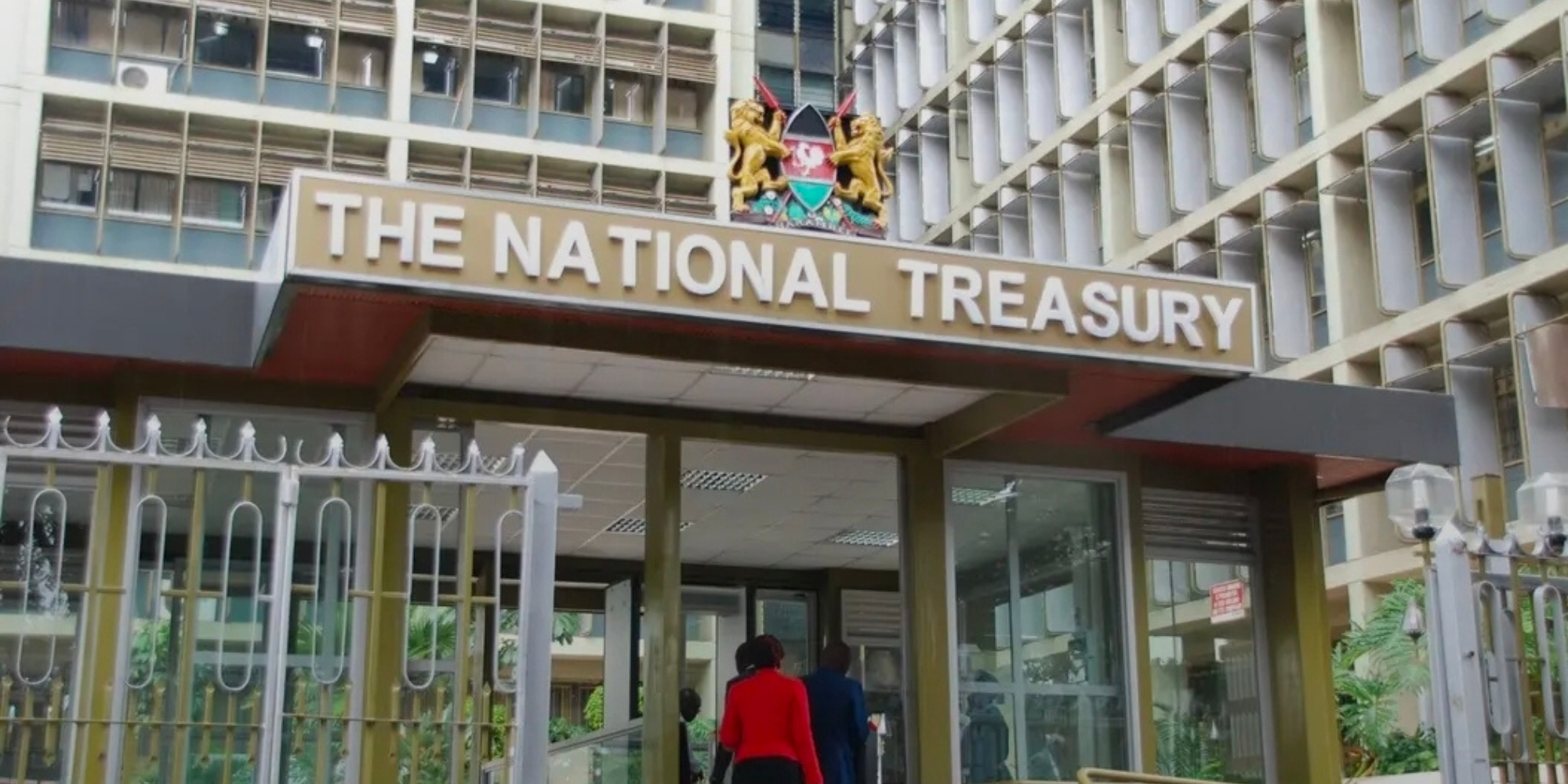
The National Treasury building in Nairobi’s main entrance. PHOTO/ File