Little-Known Story of How Oginga Odinga Was Forced to Sit a Kiswahili Exam to Contest MP Seat
Share
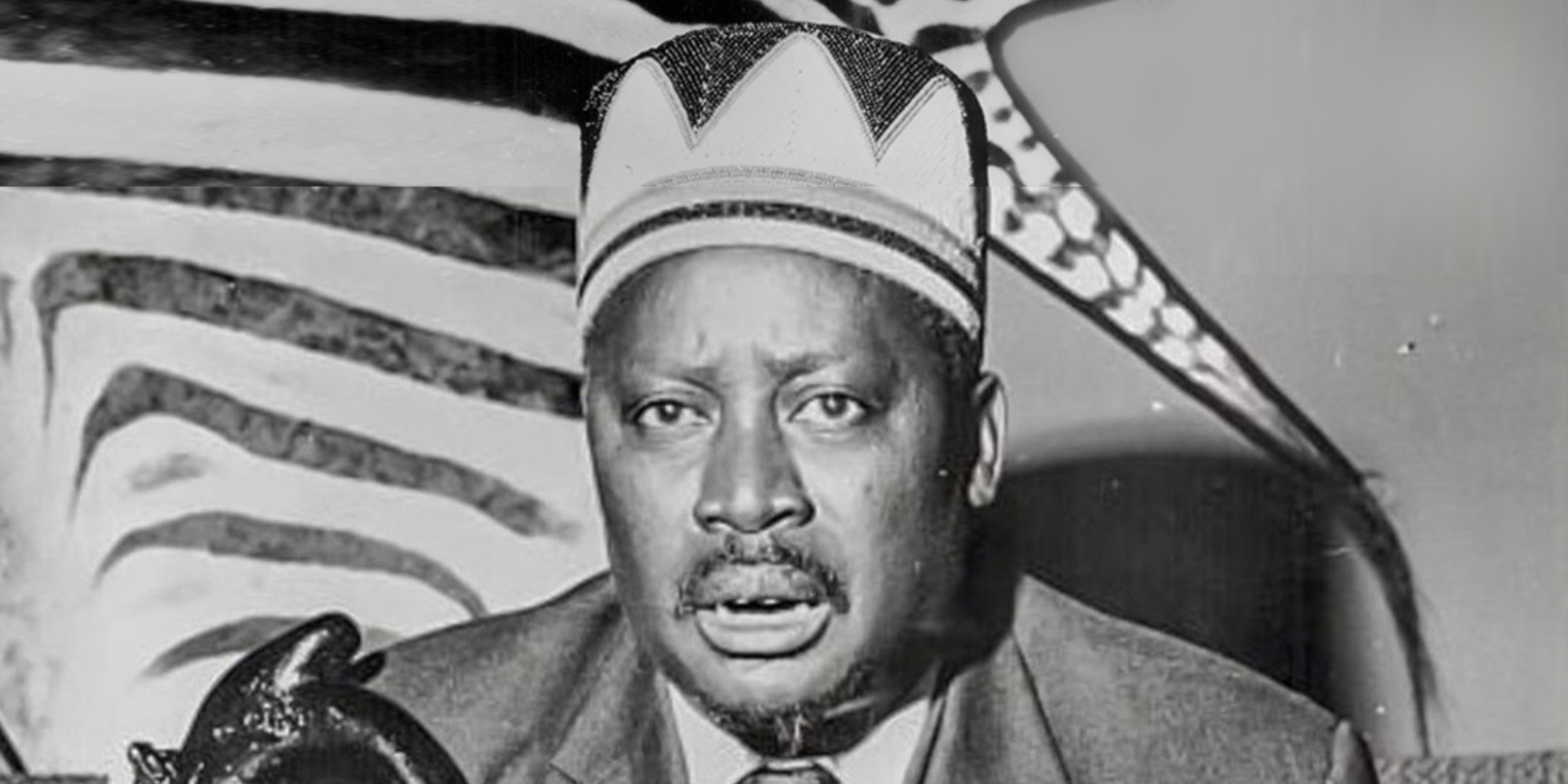
A little-known chapter in Kenya’s political history unfolded on June 5, 1979, when veteran nationalist and former Vice-President Jaramogi Oginga Odinga was compelled to sit a Kiswahili proficiency examination in Nairobi before being allowed to contest for the Bondo parliamentary seat.
The unusual requirement came as Odinga sought a political comeback after years on the fringes of national politics following his fallout with Kenya’s founding President Mzee Jomo Kenyatta.
Despite having served as a legislator for years and holding the country’s second-highest office, Odinga was subjected to a test ordinarily intended for new parliamentary aspirants.
The examination was administered at Commerce House in Nairobi under newly introduced electoral regulations that required parliamentary candidates to demonstrate proficiency in Kiswahili.
Critics at the time viewed the move as a calculated attempt by the political establishment to block the veteran opposition figure from returning to elective politics.
Examination Seen as Political Obstacle
Odinga arrived at the examination centre and calmly complied with the requirement despite questions over why a former Vice-President and seasoned parliamentarian was being subjected to such a process.
When officials and observers reportedly asked why he was taking an examination designed for first-time candidates despite his long parliamentary record, Odinga declined to engage in controversy.
“They have asked me to sit for a Swahili test, and I have come to do just that,” he famously responded.
The test itself was never the problem.
Odinga scored a success in the Swahili exam.
However, his success did not clear the path for his candidacy.
Despite meeting the stipulated requirement, he was ultimately barred from contesting the Bondo parliamentary seat.
Then Attorney General Charles Njonjo had ordered that Odinga be excluded from the ballot.
The situation is linked to Odinga’s outspoken criticism of Kenyatta.
Odinga had publicly accused the late first President of being a “land grabber,” remarks that reportedly angered powerful figures within the government.
Njonjo is said to have advised President Daniel Arap Moi that Odinga should not be allowed to participate in the election because of what was viewed as disrespect toward Kenya’s founding president.
Also Read:REVEALED: Why Raila Odinga Wanted to Be Buried Within 72 Hours After His Death
Teacher to Independence Hero
Born as Obadiah Adonijah in October 1911 in Bondo, British East Africa, Odinga was later to forsake his Christian name to be referred to as Oginga Odinga.
He went to Maseno and Alliance schools and later joined Makerere University in 1940.
Having completed his education, Odinga took up teaching at Maseno School before venturing into politics.
In 1948, Odinga joined the Kenya African Union (KAU) and became an extremely prominent African political figure in the struggle for independence.
Apart from involvement in politics, Odinga also tried to economically liberate the Luo tribe through the Luo Thrift and Trading Corporation, which was incorporated in 1947.
Odinga became a much respected man among the Luo and was even referred to as “Ker.”
Determined to protect the heritage of the great Luo chief Ramogi Ajwang, Odinga earned the nickname “Jaramogi,” which means “man of Ramogi’s people.”
Odinga gave up the title in 1957 in order to run for election and served on the Legislative Council as a member of Central Nyanza.
He would later join Tom Mboya and other leaders in forming the Kenya African National Union (KANU), which led the fight for independence.
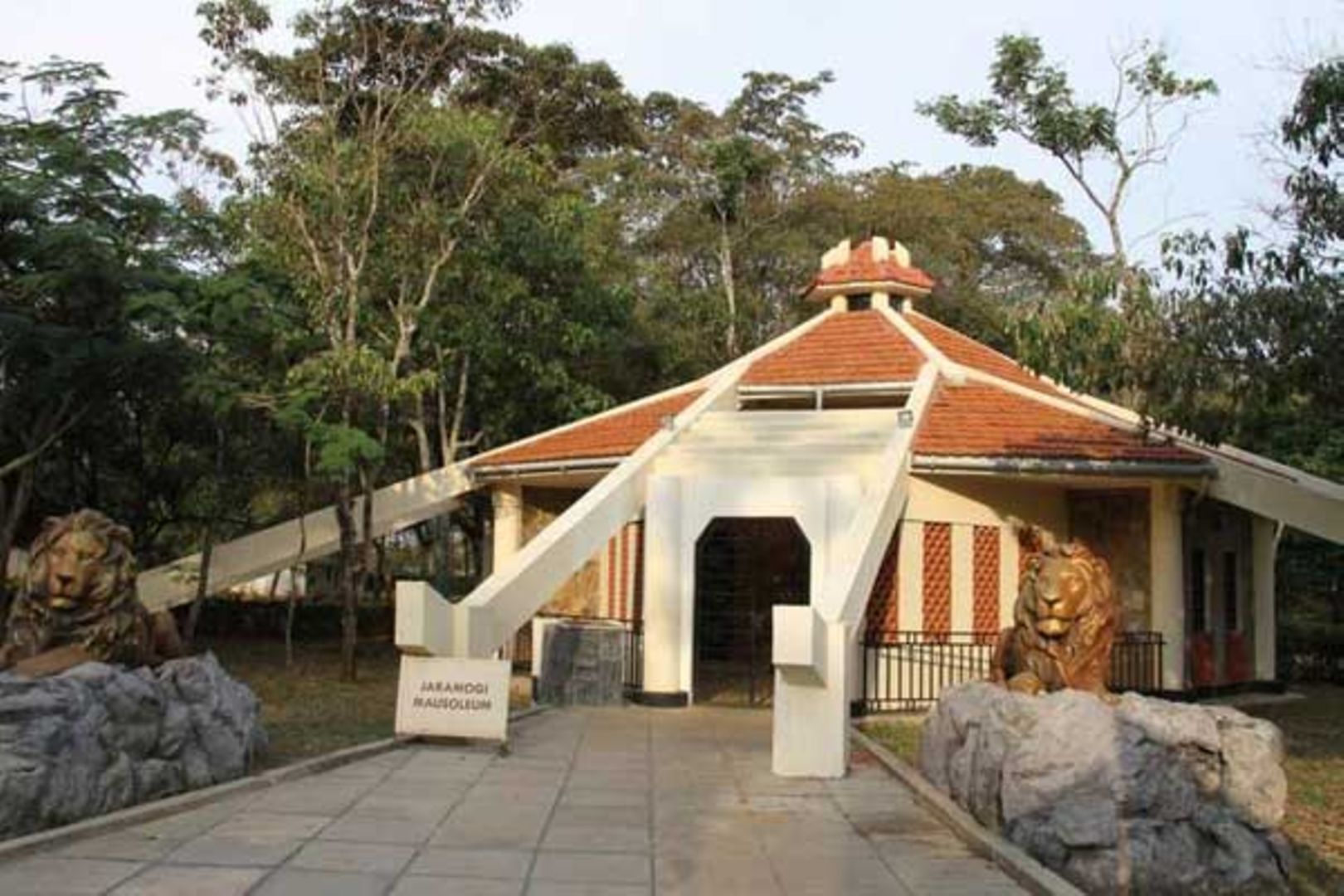
The Jaramogi Oginga Odinga Mausoleum at Kang’o ka Jaramogi in Bondo, Siaya County. PHOTO/ NMG
First Vice-President and an Opponent of Kenya
After Kenya gained its independence in 1964, Odinga was appointed as the first Vice-President of the country, serving under President Jomo Kenyatta.
Nevertheless, due to ideological clashes, Odinga resigned from his position.
Kenyatta tended to have closer associations with Western countries, whereas Odinga supported a friendship with communist countries like China and the Soviet Union.
Following this event, he established the Kenya People’s Union (KPU), thus becoming the main opponent within the country.
Also Read: Oburu Oginga Withdraws From Ruto Running Mate Race
The conflict between the two politicians continued, reaching its peak in 1969 with the notorious Kisumu event, which took place after Kenyatta opened the New Nyanza General Hospital.
The clashes resulted in deaths and injuries, after which KPU was banned, and Odinga was detained for 18 months.
Although repeatedly blocked from political participation during the Kenyatta and Moi eras, Odinga remained a symbol of opposition politics.
He later co-founded the Forum for the Restoration of Democracy (FORD), a movement that played a pivotal role in Kenya’s return to multiparty democracy.
In the 1992 General Election, after more than two decades away from Parliament, Odinga successfully reclaimed the Bondo parliamentary seat.
He also contested the presidency, finishing fourth.
Jaramogi Oginga Odinga died on January 20, 1994, at Aga Khan Hospital in Kisumu at the age of 82.
He was buried at his home in Bondo, where the famous Jaramogi Oginga Odinga Mausoleum stands today.
Follow our WhatsApp channel for instant news updates
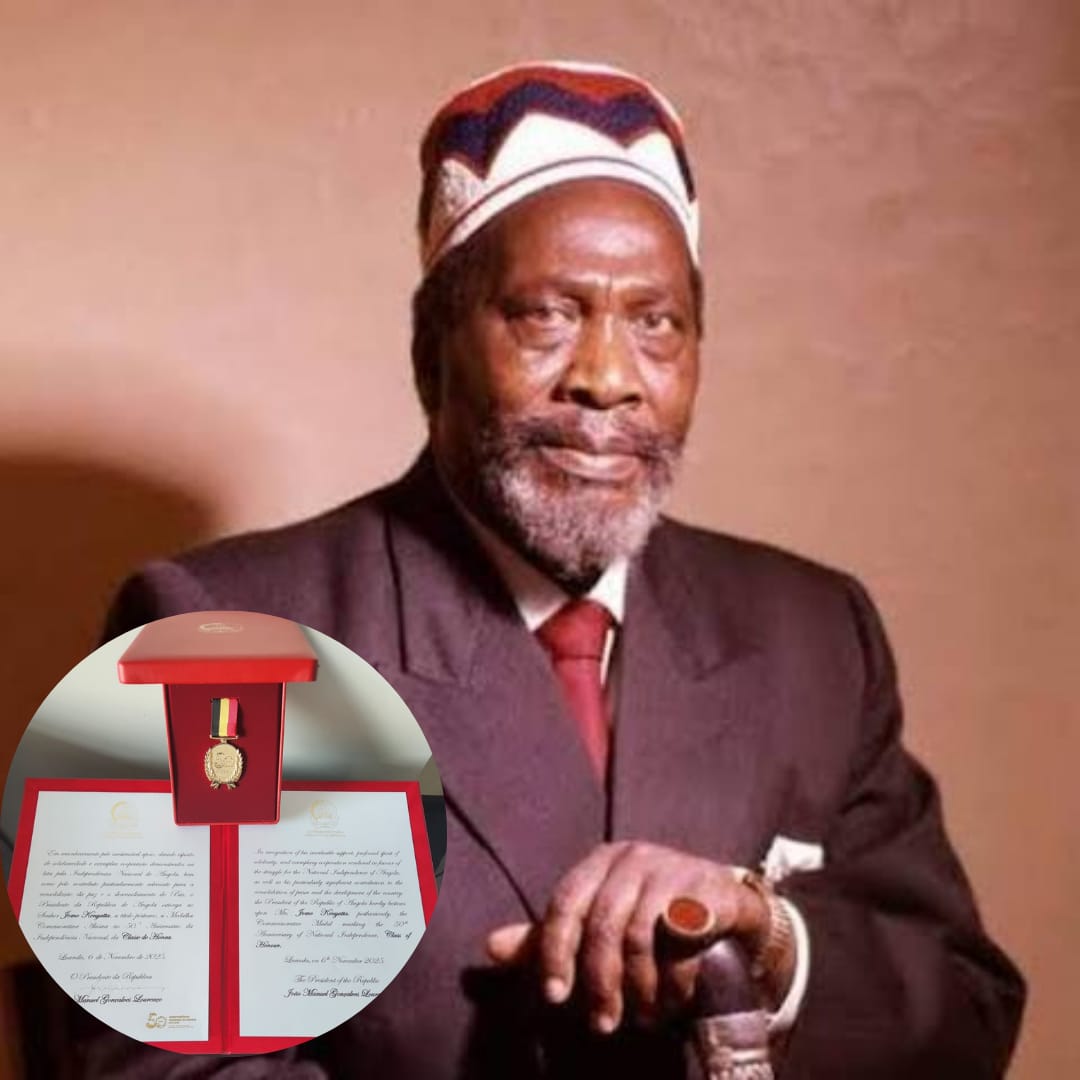
Angola has honoured Kenya’s founding president, Mzee Jomo Kenyatta. PHOTO/B:M2025/Office of the 4th President.