NCIC Issues Orders to CS Ruku Over Divisive Remarks
Share
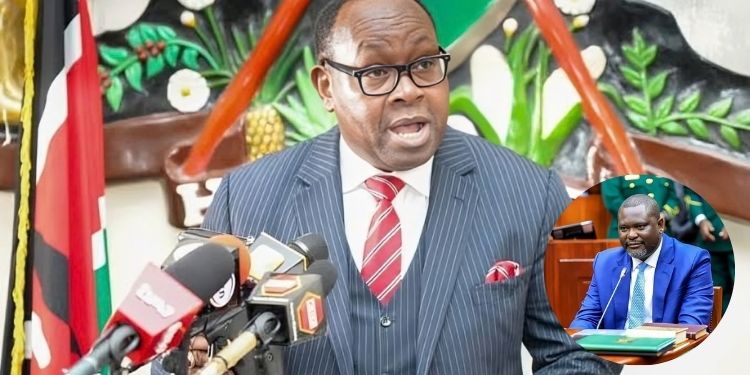
Cabinet Secretary Geoffrey Ruku has been ordered to stop repeating remarks that the National Cohesion and Integration Commission (NCIC) found divisive and based on collective ethnic blame.
NCIC has also ordered an audit of ethnic diversity in national public establishments and given Ruku seven days to respond to proposed reconciliation measures arising from its findings.
The orders follow an inquiry into remarks Ruku made at Kiang’ondu in Tharaka Nithi County in July, where he challenged the portrayal of Mt Kenya East as a political “trailer” of Kikuyu people and accused some people in Mt Kenya West of acting as though Kenya belonged to them.
In its determination issued on Wednesday, October 7, NCIC said Ruku’s remarks moved beyond legitimate advocacy for regional identity and equitable development and amounted to collective blame against Kikuyu people.
NCIC Orders Ruku to Stop Ethnic Generalisations
Ruku has been directed to immediately stop repeating, publishing, endorsing or encouraging the remarks in question or making substantially similar ethnic generalisations.
NCIC said the order does not prevent him from defending distinct ethnic identities, criticising political decisions or raising concerns about development and public appointments.
“The remarks demeaned the equal standing of Kikuyu people, undermined harmonious relations and failed to respect their rights and reputation,” NCIC said.
Ruku appeared before NCIC with his lawyer on September 1 and admitted making the remarks. He argued that the Constitution protects distinct ethnic identities and gives communities the right to demand equitable development and fair representation in public appointments.
Also Read: NCIC Sets Record Straight on Kaluma, Otuoma After ‘Cleared’ Claims
He also denied harbouring ill will towards Kikuyu people and explained his repeated reference to stepping on former Deputy President Rigathi Gachagua’s neck until he had no room to “breathe” as political imagery rather than a threat of physical harm.
NCIC found that the imagery was figurative in the circumstances but said it still called for greater restraint from a Cabinet Secretary.
NCIC Orders Ethnic Audit of Public Establishments
Alongside the cessation notice, NCIC has ordered an audit of ethnic diversity in national public establishments.
The exercise will use official staffing and appointment records to establish how institutions are performing against requirements on ethnic representation.
Section 7 of the National Cohesion and Integration Act requires public establishments to seek to represent Kenya’s diversity and prohibits more than one-third of staff in an establishment from belonging to one ethnic community.
Article 232 of the Constitution also provides for adequate and equal opportunities for members of all ethnic groups in the public service.
NCIC said its inquiry did not establish whether any particular institution was complying with those requirements.
“Verified institutional data is required,” it said.
The commission will issue data requests within seven days. Ruku has been directed to facilitate lawful access to records within his portfolio and identify custodians of records held elsewhere.
Also Read: 2027 Election: NCIC Chair Warns Politicians Against Ethnic Mobilisation
Public establishments covered by the exercise will be allowed to verify the information and respond before any adverse institutional findings are published. Any public reporting will use aggregate data while protecting personal information.
Ruku Given Seven Days to Respond to Reconciliation Terms
NCIC has also proposed a series of corrective measures through a remedial conciliation process, with Ruku required to communicate his acceptance or proposed changes within seven days.
Among the measures is a public withdrawal, in Kiswahili and English, of allegations that Kikuyu people regard Kenya as their property or are collectively responsible for inequitable development and appointments. NCIC will have to approve or jointly issue the wording.
Ruku will also be required to affirm equal citizenship, dignity and freedom of political choice for all communities while recognising their right to preserve distinct identities.
He is expected to participate in discussions on verified disparities in development and appointments, as well as a dialogue facilitated by NCIC on equitable development and inclusive appointments.
The peace caravan Ruku announced must also be developed with NCIC as a non-partisan initiative involving communities from Mt Kenya East and West.
Also Read: Gachagua, Duale Among Top Leaders Under NCIC Investigation Over Hate Speech
He will further be required to organise and fund a restorative peacebuilding and social cohesion activity, with NCIC approving its programme, participants, messaging, venue and date.
NCIC recognised steps Ruku took after his remarks, including the return of a symbolic axe and acceptance of a flywhisk on September 19, followed by an explanation and announcement of a peace caravan on September 22.
“These were genuine and substantial first steps towards reconciliation,” NCIC said.
However, NCIC maintained that the gestures do not erase its findings or complete the corrective process.
The commission will monitor Ruku’s public messaging and implementation of the agreed measures for 12 months after completion of the conciliation terms.
If conciliation fails or agreed measures are not implemented, NCIC said it will record the outstanding issues and take further lawful action. The findings and immediate cessation notice remain in force regardless of whether Ruku accepts the proposed conciliation terms.
Follow our WhatsApp channel for more updates
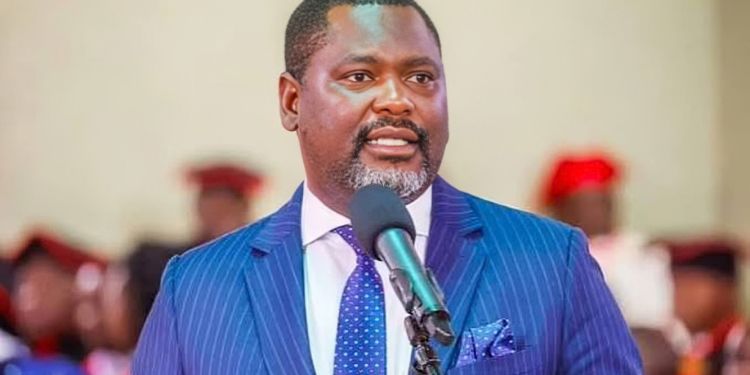
Public Service CS Geoffrey Ruku. PHOTO/ CITIZEN