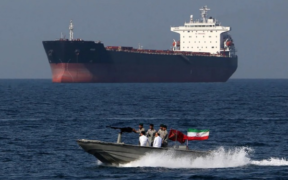
Recent turbulence in the global oil market has once again highlighted how geopolitical tensions around the Strait of Hormuz directly affect energy pricing. When signs of disruption emerge, markets quickly react by driving up crude oil prices almost immediately. However, these reactions do not reflect the full impact, which unfolds over a longer period. In

The Central Bank of Kenya (CBK) has identified the persistent global oil price pressures as a key factor affecting the economic environment in the country, while most economic indicators in the country remained steady in the week to April 2, 2026. In its latest bulletin, the regulator identified the high energy cost environment in the

International oil prices surged in the week ending on March 27, 2026 as the closure of the Strait of Hormuz disrupted crude shipments resulting into the increase in global oil prices. The strait carries about 20% of the world’s oil exports, making it a critical supply route. According to the Central Bank of Kenya’s Weekly Bulletin
Popular Posts