

Why North Eastern Kenya Was Marginalized: A Historical and Political Reality
Share
Dr. Luchetu Likaka
For decades, North Eastern Kenya has remained one of the country’s most marginalized regions despite its strategic location, vast natural resources, and resilient population. The persistent underdevelopment of the region is not accidental; it is rooted in historical, political, security, and governance decisions that have shaped Kenya’s development trajectory since independence.
The origins of marginalization can be traced to the colonial period. The British administration designated the region as part of the “Northern Frontier District” (NFD), treating it as a buffer zone rather than an integral part of Kenya.
Colonial authorities invested minimally in infrastructure, education, healthcare, and economic development. Unlike the central and highland regions, which benefited from roads, schools, and administrative services, the North-Eastern region remained largely neglected and isolated.
How Transition to Independence Worsened the Situation
The situation worsened during the transition to independence. The majority of the Somali population in the NFD expressed a desire to join neighboring Somalia through a referendum-like consultation process.
However, the newly independent Kenyan government rejected the demand, leading to the Shifta War (1963–1967).
The conflict fundamentally shaped state perceptions of the region. Rather than being viewed primarily as a development frontier, North-Eastern came to be regarded as a security problem.
Following the conflict, the government imposed emergency regulations and security measures that restricted movement, economic activities, and political freedoms. The region remained under a state of emergency for nearly three decades. These measures deepened mistrust between local communities and the state while discouraging investment and development.
Govts Prioritize Security in North Eastern Kenya Over Development
Successive governments often prioritized security interventions over socio-economic development. Public resources were disproportionately allocated to other regions perceived as politically influential or economically productive.
Consequently, North Eastern lagged behind in key development indicators, including literacy rates, healthcare access, infrastructure coverage, and employment opportunities.
Also Read: OPINION: Our Children Are Dying in School Dormitories and Nobody Is Ever Punished
Political Marginalization
Political marginalization also played a significant role. The region’s relatively small population and geographical remoteness reduced its influence in national political calculations.
Development in Kenya has historically been closely linked to political patronage and electoral significance. Areas with stronger political bargaining power often secured greater public investment, while North Eastern struggled to attract comparable attention from central government institutions.
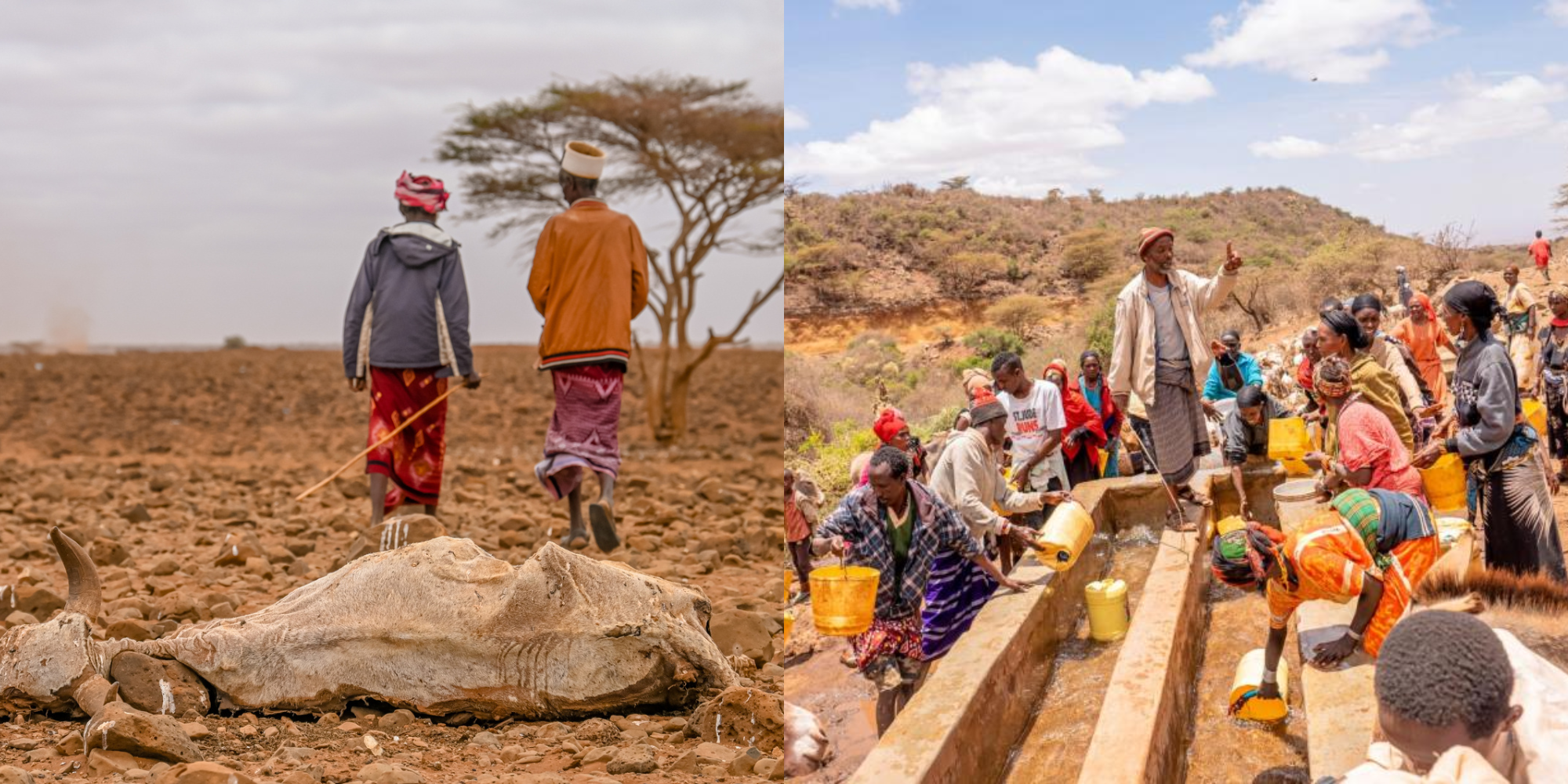
Infrastructure deficits further entrenched exclusion. For many years, poor road networks, inadequate electricity coverage, limited water infrastructure, and weak communication systems have hindered economic growth. The lack of connectivity isolated communities from markets, public services, and national opportunities. Development costs remained high, discouraging private sector investment.
Security challenges have also contributed to ongoing marginalization. The threat posed by extremist groups, particularly from across the Kenya-Somalia border, has reinforced a securitized approach to governance. While national security concerns are legitimate, development experts argue that excessive reliance on security responses without corresponding investments in education, livelihoods, and social services risks perpetuating the cycle of exclusion.
Also Read: OPINION: Public Service and Parliament Must Take Pay Cuts or Face Protest
How the Region Has Shown Resilience
Yet the narrative of North Eastern Kenya is not solely one of victimhood. The region has demonstrated remarkable resilience. Its people have contributed significantly to trade, entrepreneurship, public service, education, and national leadership. The growth of towns such as Garissa, Wajir, and Mandera illustrates the transformative potential that exists when investment and opportunity are expanded.
The promulgation of the Constitution of Kenya 2010 and the introduction of devolution marked a turning point. County governments have increased local participation in decision-making and accelerated investments in infrastructure, healthcare, and education. However, significant disparities remain. Devolution alone cannot fully address decades of accumulated neglect.
The marginalization of North Eastern Kenya should therefore be understood not as the result of geography or culture, but as a consequence of historical policy choices, political exclusion, unequal resource allocation, and security-centered governance approaches. Recognizing these realities is essential for crafting effective solutions.
A genuinely inclusive Kenya requires more than rhetoric. It demands sustained investment in roads, education, healthcare, water, digital connectivity, and economic opportunities. It requires treating North Eastern not as a peripheral security zone but as a vital component of Kenya’s national development agenda.
The future of Kenya’s unity, stability, and prosperity depends on ensuring that regions historically left behind are fully integrated into the country’s social, political, and economic life. Addressing the legacy of marginalization in North Eastern Kenya is therefore not merely a regional issue—it is a national imperative.
Follow our WhatsApp channel for instant news updates
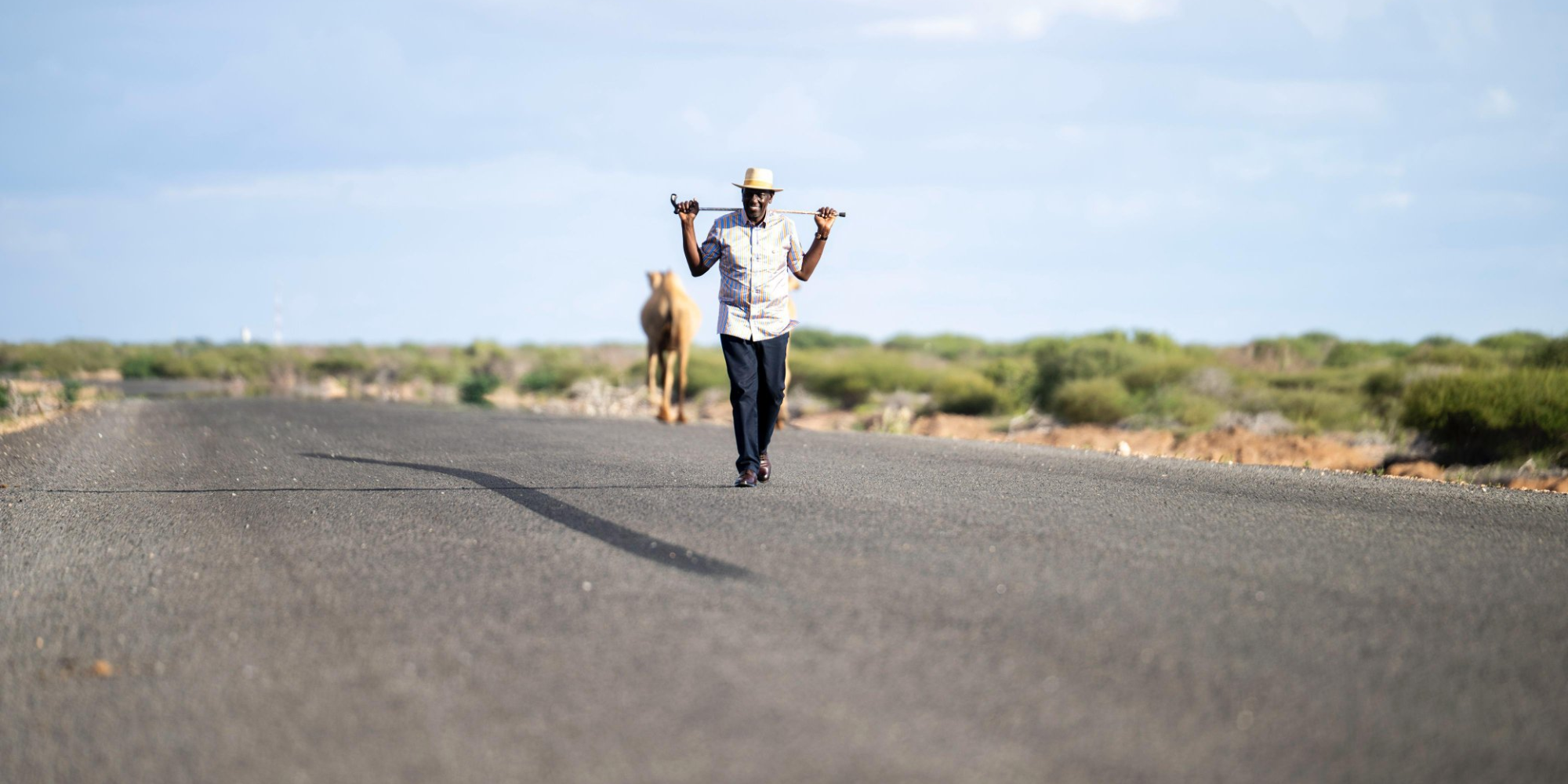
President William Ruto inspected progress on the 257km Lamu-Ijara-Garissa Road, part of the 453km LAPSSET Corridor Development Project, on June 2, 2026. PHOTO/PCS.