
Why Obado Will Have to Wait Until November for His Sentence
Share
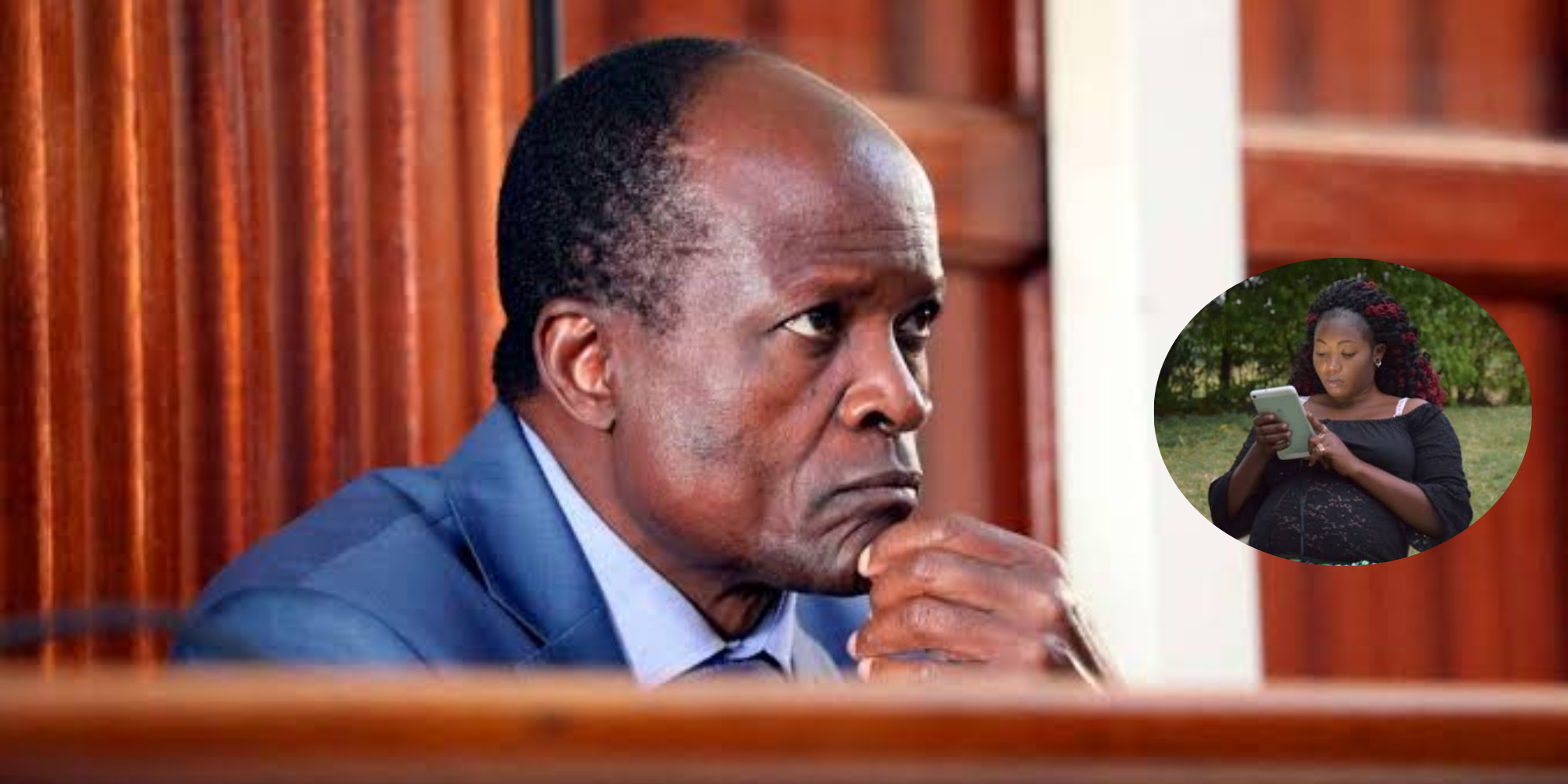
The High Court has postponed the sentencing of former Migori Governor Okoth Obado over the murder of Sharon Otieno to November 27, 2026. The court decided after all parties completed their submissions in the case.
Justice Cecelia Waithaya Githua said the court had considered the submissions made by the parties, including views presented by secondary victims affected by the case.
The judge said the court would now take time to consider the issues raised during Wednesday’s proceedings before deciding on the appropriate sentence.
“The court has been informed by the parties, together with the written submissions on litigation, and will deliver its ruling on sentence on the 27th of November,” Justice Githua stated.
DPP Seeks Maximum Sentence to Obado Case
The Director of Public Prosecutions (DPP) has urged the High Court to consider imposing the death sentence on former Migori Governor Zachary Okoth Obado and his two co-convicts over the murder of university student Sharon Otieno and her unborn child.
Obado’s Personal Assistant Michael Juma Oyamo and Caspal Obiero were also convicted in the case.
During sentencing submissions, Senior Assistant Director of Public Prosecutions (SADPP) Gikui Gichuhi asked Justice Cecilia Githua to consider the maximum sentence provided under Section 204 of the Penal Code.
She based the request on the circumstances of the offence and the individual culpability of each of the three convicts.
Also Read:‘Do Not Crucify Obado’: Sharon’s Mother Pleads With Court Ahead of Sentencing
Prosecution Opposes Non-Custodial Sentence
The prosecution opposed calls for a non-custodial sentence, arguing that such a punishment would not reflect the seriousness of the offence or serve the purposes of punishment, denunciation and deterrence.
Gichuhi acknowledged that Sharon’s parents, Douglas Otieno and Melinda Auma, had forgiven Obado and asked the court to consider a non-custodial sentence.
The two were allowed to address the court during the sentencing hearing. However, the prosecution argued that their views, while relevant, could not determine the sentence imposed by the court.
“Reconciliation may bring peace to a family; it cannot erase the aggravating circumstances in which a life was unlawfully and deliberately taken,” Gichuhi submitted.
Also Read:Ruto, Saitoti, Obado: The High-Profile Cases That Shaped Kioko Kilukumi’s Career
Court to Weigh Aggravating and Mitigating Factors
The DPP further submitted that the murder was not a private dispute but a public offence against the State and society.
The prosecution said the court should consider accountability, proportionality, deterrence, denunciation and public confidence in the administration of justice when determining the sentence.
Gichuhi told the court that the prosecution had presented relevant laws, aggravating and mitigating circumstances, victim impact material, probation reports and public-interest considerations.
“The Court must impose a lawful and proportionate sentence after independently weighing the totality of the material,” she said.
The High Court had earlier found that the prosecution proved its case beyond reasonable doubt and convicted the three over the murder of Sharon and her unborn child.
Follow our WhatsApp channel for instant news updates
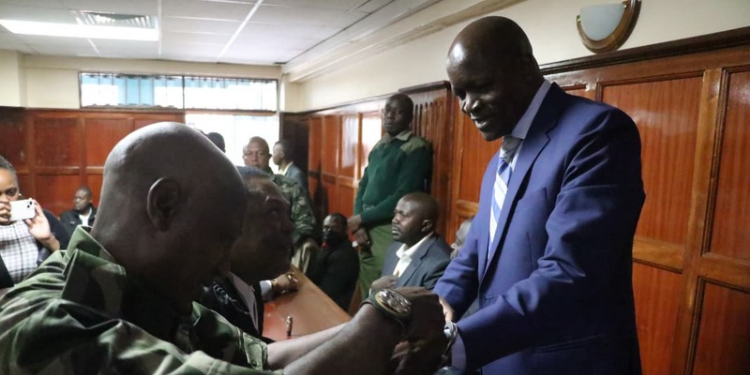
PHOTO of Okoth Obado while at the Milimani Law Courts during his sentencing on September 16
PHOTO/ODPP