Why Politicians Are Fighting to Lead Political Parties Ahead of the 2027 Election
Share
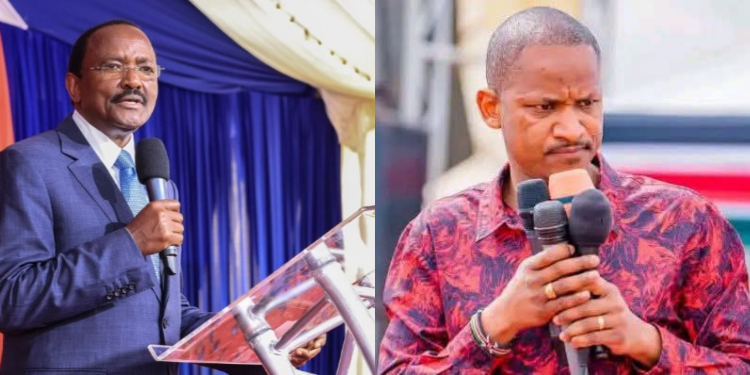
There is an emerging tendency in Kenya where politicians appear to be competing to form or lead political parties as the country heads towards the 2027 General Election.
The trend began with Oburu Oginga taking over the leadership of ODM following the death of Raila Odinga, followed by Edwin Sifuna’s efforts to retain influence within the party.
It was later seen in George Natembeya’s departure from DAP-K amid differences with Eugene Wamalwa.
Currently, Babu Owino has his own Mwananchi Party, Ndindi Nyoro has taken over as leader of the People’s Party of Kenya, while Caleb Amisi has been associated with the People’s Resistance Movement.
The latest development is the dispute between Sifuna’s camp and Kalonzo Musyoka’s camp over the “Ukombozi” political identity, after Kalonzo and other opposition leaders rebranded Azimio as the Ukombozi Alliance, while Sifuna’s allies had been pursuing Ukombozi People’s Party as a political vehicle.
Political risk scholar-practitioner Dismas Mokua said the developments form part of the political realignments that emerge before elections.
“The scramble for party leadership is a classic pre-election alignment and realignment that has taken place since the repeal of Section 2A,” Mokua told Hivileo.
Why Politicians Are Seeking to Control Political Parties
Mokua said politicians who have the resources to establish parties can pursue them for both political and financial reasons.
“Politicians who can set aside party registration setup costs have an insatiable appetite to form political parties because of both political and pecuniary considerations,” he said.
Meanwhile, Political, Governance and Security Analyst Dr Luchetu Likaka linked the developments to the early start of coalition and succession politics ahead of 2027.
“First, 2027 succession and coalition politics have started early. Politicians understand that when major coalitions are eventually negotiated, those who control registered political parties will negotiate from an institutional position rather than simply as individual politicians. Kenya’s Political Parties Act expressly provides for parties to form pre-election coalitions, with coalition agreements deposited with the Registrar,” Likaka said.
Under the Political Parties Act, political parties can form pre-election coalitions through written agreements and deposit those agreements with the Registrar.
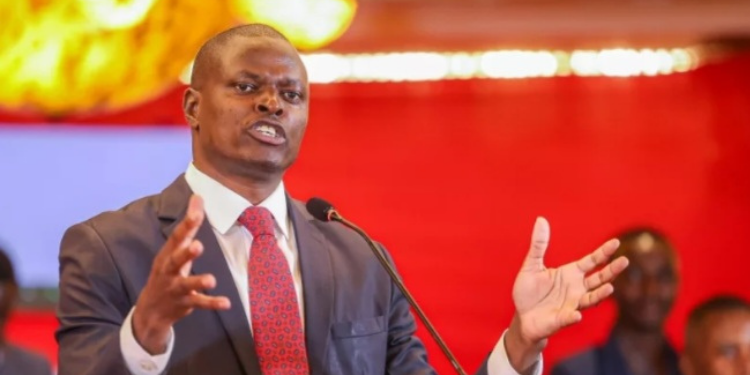
Kiharu MP Ndindi Nyoro addressing journalists at Safari Park Hotel, Nairobi, on August 17, 2026.PHOTO/ Lucy Wanjiru, Nation
Beyond coalition formation, Mokua said politicians can use their parties when they negotiate for positions and power-sharing arrangements.
“Such politicians use political parties for to join the rank of principals in coalition negotiations. Most use political parties for power-sharing conversations,” he said.
Additionally, Mokua identified access to the Political Parties Fund as another factor that can encourage politicians to establish political organisations.
“Political parties that have made a mark during the general elections qualify for political parties fund. This is a good incentive for political entrepreneurs. Some politicians form political parties with the intention to sell when the market is right,” he said.
The Office of the Registrar of Political Parties administers the Political Parties Fund under the Political Parties Act and distributes allocations to qualifying parties according to statutory requirements.

A photo of the Registrar of Political Parties, John Lorionokou. PHOTO/@ORPPKenya/X
Also Read: Is Ruto’s Biggest 2027 Advantage a Divided Opposition? Analysts Weigh In
Nomination Security Drives the Scramble
Likaka identified nomination security as another reason politicians may seek control of political organisations before an election.
“Politicians are seeking nomination security. One of the greatest political risks for an ambitious politician is remaining in a large party where another faction controls the nomination machinery. Having an alternative political vehicle reduces dependence on party elites and provides an exit option if internal competition becomes hostile,” he said.
Similarly, Mokua linked party ownership to the nomination process, arguing that politicians can use their own organisations to guard against problems during party primaries.
“Most political parties in Kenya have challenged running free and fair party primaries. Having a political party is an insurance against flawed party primaries and guarantees a ticket and direct nomination, and immunity from disciplinary measures,” he said.
Beyond nomination concerns, Likaka said politicians can gain greater control by creating or taking over smaller organisations rather than fighting established party structures.
“Fighting for control of an established party can place a politician against existing leaders, factions and networks. Creating or taking over a smaller party can provide greater room to determine its direction, leadership and electoral strategy,” Likaka said.
Party Control Can Strengthen Coalition Bargaining
Beyond nominations, Likaka said party control can strengthen a politician’s position during coalition negotiations ahead of an election.
“Political parties provide bargaining power. In coalition negotiations, a politician who comes with a party, candidates, grassroots structures and demonstrable electoral support potentially brings more to negotiations than an individual politician seeking accommodation,” he said.
At the same time, Kenya’s political framework allows parties to participate in coalitions through agreements that set out arrangements between participating parties.
Mokua also linked party control to power-sharing discussions, saying politicians can use their organisations to enter coalition negotiations as principals.
Post-Raila Politics Fuels New Political Bases
Likaka said changes within opposition politics following Raila Odinga’s death have created new incentives for politicians to establish independent organisational bases.
“There is a struggle over the post-Raila political landscape, particularly within opposition politics. New centres of influence are emerging, and politicians who previously operated under larger political personalities increasingly have incentives to establish their own organisational bases,” he said.
Within that changing opposition landscape, the dispute surrounding the Ukombozi identity has also emerged.
Kalonzo Musyoka and other opposition leaders have rebranded Azimio as The Ukombozi Alliance, while Sifuna’s camp has been associated with the Ukombozi People’s Party as a possible political vehicle.
Mokua described the disagreement as a contest over political influence within the opposition.
“The Ukombozi fight is around which powerful political personality takes control of the opposition trademark. Ukombozi comes with street credentials,” he said.
Elsewhere, Oburu Oginga took over ODM leadership following Raila’s death, while George Natembeya left DAP-K amid differences with Eugene Wamalwa.
Those developments have occurred alongside politicians establishing or taking control of alternative political organisations ahead of the next election.

A photo of Nairobi Senator Edwin Sifuna and Trans Nzoia governor George Natembeya during a Linda Mwananchi rally in Mumias, Kakamega County on August 9, 2026. PHOTO/ Linda Mwananchi X
More Political Parties Could Emerge
Mokua described the wider development as a shift towards political organisations centred more heavily around individual owners.
“Kenya is sliding to the matrix of owner-driven partisan ideologies,” he said.
Likaka said the emergence of several political vehicles could precede later negotiations among politicians and parties.
“The broader point is that Kenya may be entering a phase of political fragmentation before consolidation,” he said.
He added: “We could see more parties and political vehicles emerging initially, followed later by negotiations that bring some of them together into larger electoral coalitions.”
Follow our WhatsApp channel for instant news updates
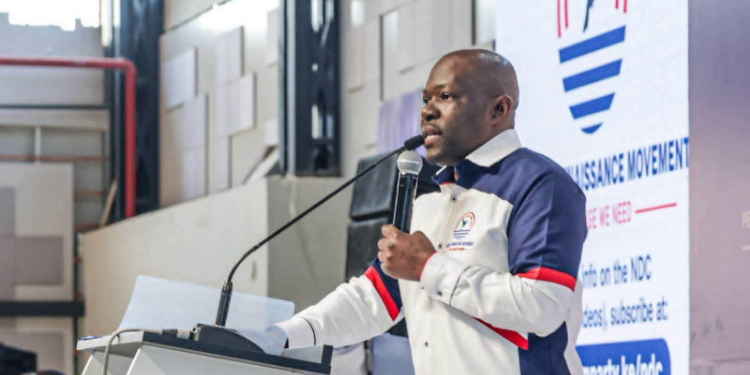
Caleb Amisi speaks during the launch of People’s Renaissance Movement party (PRM) at ASK Showground on August 11, 2026. PHOTO/ Cleophas Malala Facebook