Why Some Kenyan Regions Could Gain More Funding Under New Marginalisation Policy
Share
The Senate Select Committee on Finance and Budget has embarked on an evaluation of the marginalisation policy in Kenya, which will most likely result in many of the disadvantaged areas qualifying for grants from the Equalisation Fund.
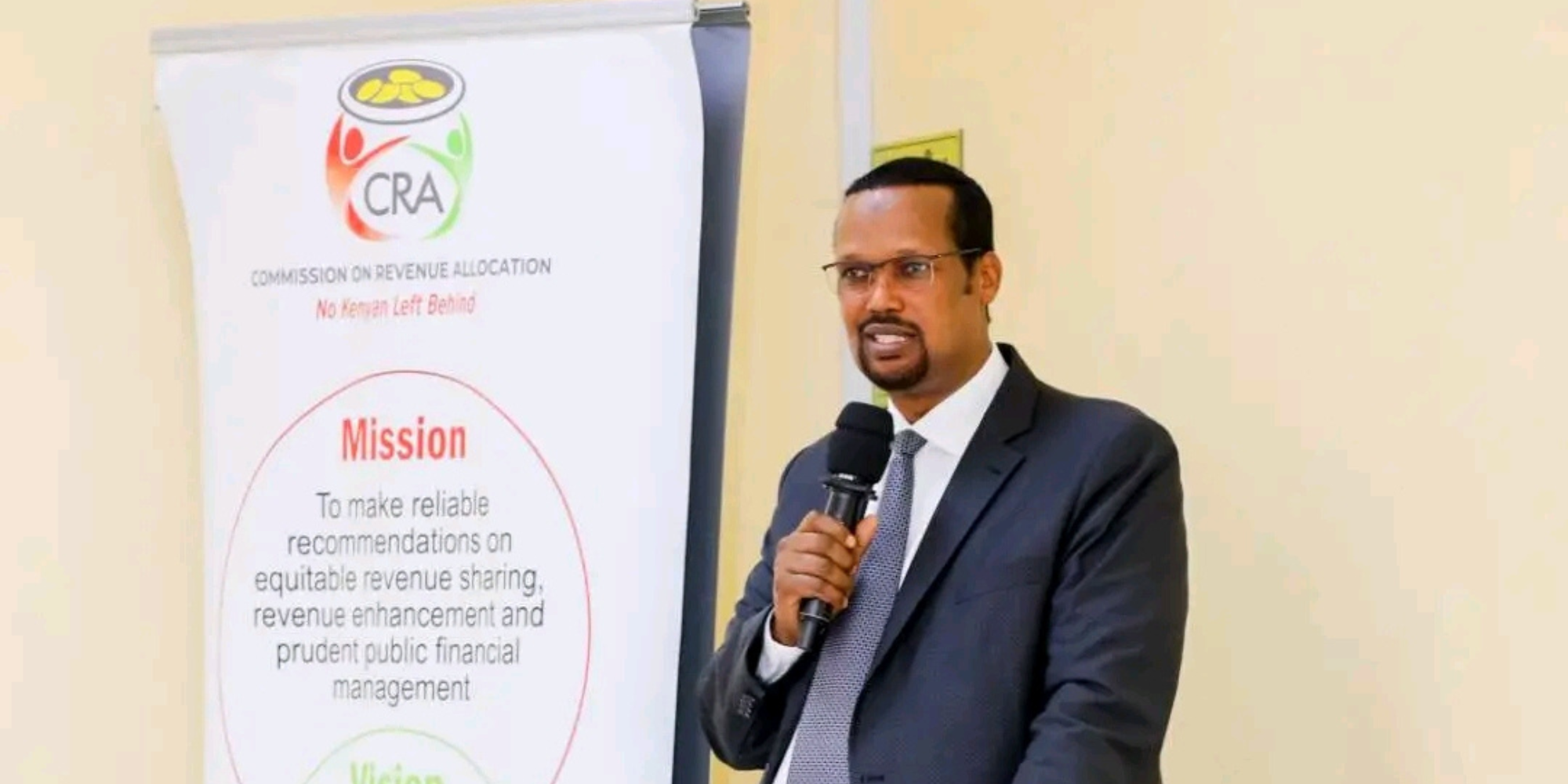
This was done during a consultative meeting which was held on Thursday, July 2, 2026, at the Kenya School of Government in Kabete, where the lawmakers engaged the Commission on Revenue Allocation (CRA) and the Equalisation Fund Advisory Board regarding how marginalisation areas were being identified and financed.
The review comes as the Commission on Revenue Allocation prepares the Third Marginalisation Policy, a framework expected to address shortcomings identified in previous policies while ensuring public funds are directed towards projects capable of delivering sustainable and long-term regional development.
Opening the consultative session, CRA Chairperson CPA Mary Wanyonyi said the Commission is carrying out its constitutional mandate to periodically review the country’s marginalisation criteria.
“The ongoing review aims to build comprehensively on these foundational stages through broad-based public and political stakeholder consultations,” CPA Wanyonyi stated.
Explanation of Evolution of Criteria for Marginalisation by CRA
According to CPA Wanyonyi, Article 216(4) of the Constitution states that the Commission on Revenue Allocation should conduct an evaluation of the marginalisation policy regularly.
In addition, she indicated that the first policy, which was formulated in 2013, was based on the analysis of the counties.
It revealed that 14 counties were marginalised and required Equalisation Fund intervention.
Moreover, according to the second policy, the criterion for marginalisation was changed to a great extent.
Also Read: Parliament Reviews New Plan to Track Every Police Firearm in Real Time
While the previous one was based on counties, the new policy analysed sub-locations in the country.
The criterion included the Index of Deprivation, which was focused on such basic things as drinking water, sanitation, electricity supply, and attendance at schools.
Senators Push for Heavy Infrastructure Projects
Members of the Senate Finance and Budget Committee urged the Commission to fundamentally rethink how the Equalisation Fund is spent, arguing that previous allocations had increasingly shifted toward small-scale projects with little lasting impact.
Committee Chairperson Mandera Senator Ali Roba said the Third Marginalisation Policy should prioritise major infrastructure projects capable of transforming communities instead of dispersing limited resources across numerous micro-projects.
“The first policy was properly anchored, and the projects identified then are still visible. In Mandera, we built a medical training college hostel that is still in use today,” Senator Roba noted.
He contrasted those achievements with the outcomes of the second policy.
“However, the second policy shifted the utilisation strategy toward minute, invisible projects that cannot outlive the test of time,” Ali Roba added.
Politicians Oppose NGO-type Spending
The senators also advised against an approach to implementation typical of NGOs, contending that dispersing money to a multitude of small projects undermines the effectiveness of government spending.
According to the committee, allocating small amounts to temporary interventions fails to fulfil the constitutional objective of reversing decades of historical neglect experienced by marginalized communities.
“The third policy must be deliberately structured to ensure that resource utilization is properly addressed by investing in heavy capital projects that impact large populations within a given region,” Senator Roba added.
Lawmakers further observed that some allocations made under the second policy included minor bush-clearing activities and token funding to relatively wealthy agricultural areas, moves they said diverted attention from genuine indicators of marginalization such as long distances to health facilities and poor access to clean drinking water.
Also Read: Parliament Bows to Pressure, Postpones Public Participation on Tobacco Amendment Bill
Need for Establishment of Criteria for Beneficiaries
The CEO of the Equalisation Fund, Guyo Boru, has highlighted the need to develop a strong and credible methodology to identify beneficiaries, considering that much government funding is at stake.
“Establishing clear, evidence-based criteria would help prevent misuse of resources while ensuring funds are directed to communities experiencing the greatest levels of deprivation as implementation of the new financial year’s programmes progresses,” Guyo Boru said.
Follow our WhatsApp channel for instant news updates
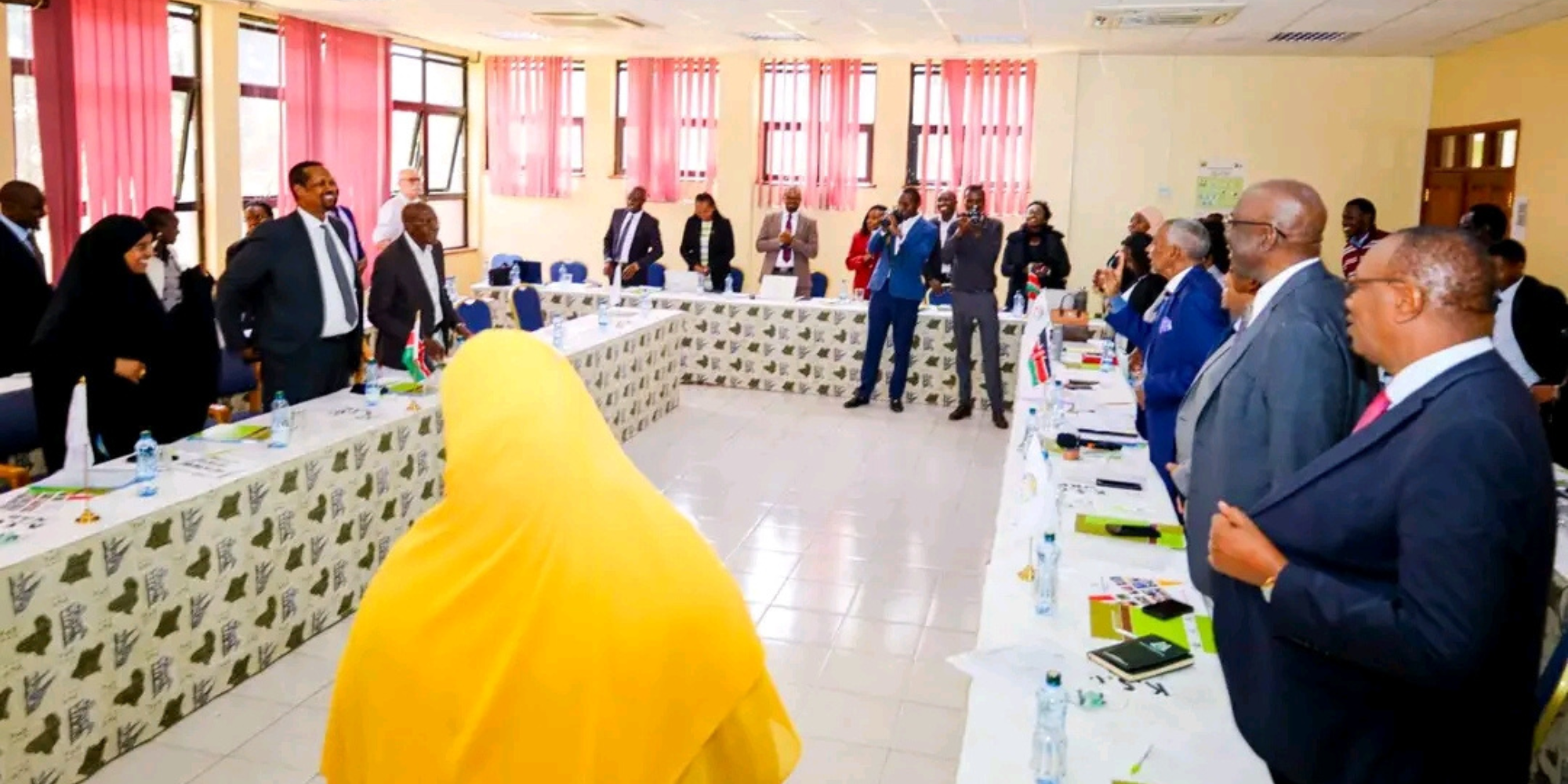
Lawmakers while meeting with the Commission on Revenue Allocation (CRA) and the Equalisation Fund Advisory Board to assess the criteria used to identify and finance marginalised areas across the country at Bunge Towers. PHOTO/ File