Tensions Surge After Cargo Vessels Hit in Strait of Hormuz Hours After Ceasefire Extension
Share
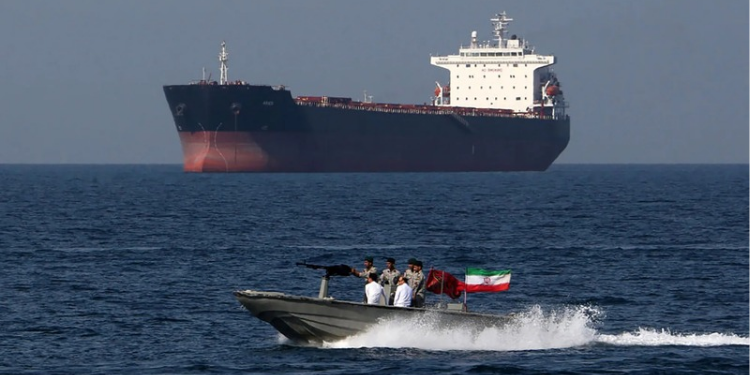
Tensions in the Middle East escalated on the morning of Wednesday, April 22, 2026, after three cargo vessels came under attack in the Strait of Hormuz, a critical global shipping route.
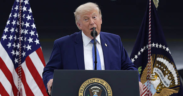
The incident occurred just hours after Donald Trump announced an extension of a ceasefire aimed at easing hostilities between the United States and Iran.
According to the United Kingdom Maritime Trade Operations (UKMTO), the situation developed rapidly.
“A merchant vessel reported being engaged by military forces,” the agency confirmed, raising immediate concern over the safety of commercial ships operating in the area.
Meanwhile, Iranian reports indicated that two additional vessels were also hit during the confrontation. The attacks reportedly took place early Wednesday, around the morning hours, as ships moved through the narrow waterway.
Ceasefire Under Pressure
Despite the ceasefire extension, tensions continue to rise. Trump had aimed to create room for dialogue. However, the latest developments suggest the truce remains fragile.
An adviser to Iran’s parliamentary speaker dismissed the ceasefire, stating it is “meaningless” and describing it as “a tactic to buy time for a possible strike.” The remarks highlight deep mistrust between Tehran and Washington.
At the same time, the United States has maintained its naval blockade in the Strait of Hormuz. This move continues to pressure Iran ahead of planned negotiations.
Also Read: Iran Reopens Strait of Hormuz Amid Ceasefire Deal
Talks in Doubt
However, diplomatic efforts now face uncertainty. U.S. Vice President JD Vance did not travel for scheduled talks in Pakistan.
His absence has raised doubts about the future of the negotiations. Officials had expected the meeting to ease tensions. Instead, the attacks have complicated the process and deepened divisions.
Global Impact
The Strait of Hormuz plays a key role in global trade, handling a significant share of the world’s oil shipments. As a result, any disruption quickly affects international markets.
Already, analysts warn that continued instability could trigger higher oil prices and disrupt supply chains. In response, shipping companies have started reviewing routes and tightening security.
Also Read:Trump Threatens to Bomb Iran Despite Reopening of Strait of Hormuz
Situation Remains Volatile
Overall, the attacks highlight how quickly tensions can escalate in the region. Military actions continue even as diplomatic efforts struggle to gain ground.
For now, the situation remains fluid. Authorities continue to monitor developments as more details emerge from the Gulf.
Follow our WhatsApp channel for instant news updates
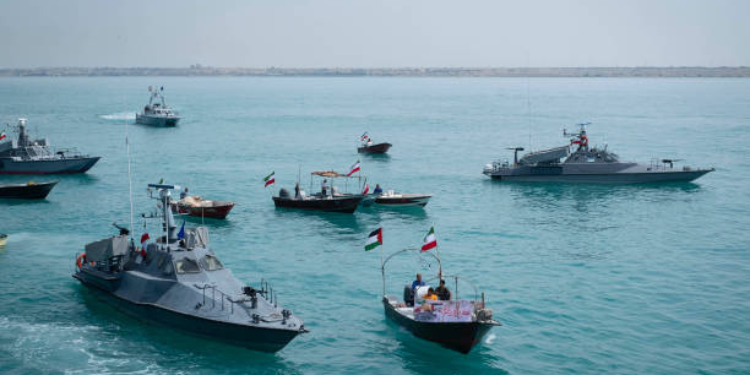
Iranian naval ships patrol the Strait of Hormuz
PHOTO/Getty Images