

Nationwide Transport Strike Costs Kenya Flower Industry Ksh 200 Million
Share

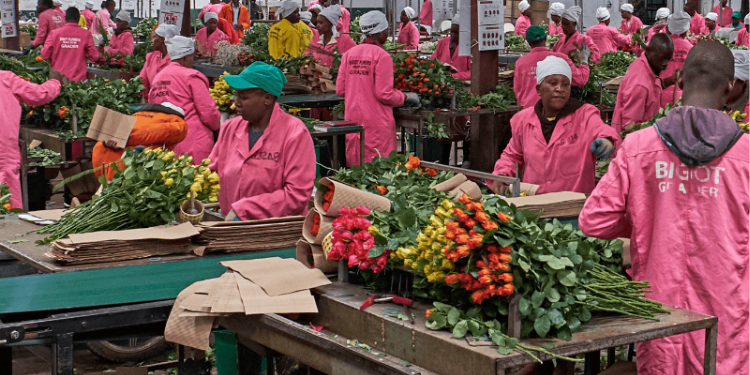
Kenya’s floriculture sector suffered an estimated Ksh 200 million in losses on Monday after a nationwide transport strike disrupted the movement of cargo destined for export through Jomo Kenyatta International Airport (JKIA), deepening pressure on one of the country’s leading foreign exchange earners.
Disruption affected the transportation of flowers from farms to the airport, with the Kenya Flower Council (KFC) warning that between 100 and 200 tonnes of produce meant for export were either delayed or severely affected.
The industry lobby said the interruptions posed a serious threat to product quality, contractual obligations, and Kenya’s standing in international flower markets.
KFC Chief Executive Officer Clement Tulezi warned that the delays could trigger long-term consequences for growers and exporters already struggling with mounting operational challenges.
“Every delayed shipment increases the risk of spoilage, financial losses, contractual penalties, damaged buyer confidence and long-term market competitiveness for Kenyan growers,” he said.
Strikes Paralyze Flower Export Operations
As stated by the council, the general strikes affected the transportation sector in Nairobi and elsewhere in the country, resulting in traffic congestion and logistical failures that affected the entire chain of floriculture.
Flower exporting industry which depends much on maintaining the cold chain to ensure quality of fresh products during exportation was affected in different segments of its operations.
According to KFC, there was a decline in worker attendance in flower farms by up to 10% in various regions where the flowers are produced due to difficulties in accessing work places.
Cargo vehicles carrying flowers to JKIA were stuck in traffic due to road blockages while export processing in the airport was being hampered due to delays in delivery of cargo.
Also Read:Thousands of Jobs at Risk as Middle East Tensions Hit Kenya’s Flower Exports
Global Tensions Already Straining Sector
Prior to the domestic strike, flower exporters had already been grappling with rising freight costs linked to flight disruptions caused by escalating tensions in the Middle East involving Iran, the United States and Israel.
KFC data shows that export freight charges had risen by nine per cent to Ksh 545.6 per kilogramme, significantly increasing operational expenses for exporters.
The sector has reportedly suffered losses amounting to at least Ksh 623.5 million since the regional conflict began affecting international cargo routes.
Industry statistics further indicate that the floriculture sector has been losing approximately USD 1.4 million, equivalent to about Ksh 181.4 million, every week due to weakened demand and logistical challenges.
Over a three-week period alone, cumulative losses exceeded USD 4.2 million or roughly Ksh 544.3 million.
“The nationwide strike today has compounded these existing challenges by interrupting domestic logistics at the source and export handling level,” Tulezi stated.
Also Read:Government Responds to Claims That Donated Blood in Kenya Is Being Exported
Export Market Share Under Threat
The council also raised concerns over increasing competition from South American flower exporters, who have remained largely unaffected by the Middle East-related transport disruptions and are steadily filling supply gaps left by Kenyan exporters in European markets.
Industry stakeholders warned that prolonged instability could erode Kenya’s market dominance in the highly competitive global flower trade.
Tulezi cautioned that once international buyers shift to alternative suppliers, reclaiming lost market share becomes extremely difficult.
“If that market is taken away, regaining it becomes almost impossible,” he said.
Kenya’s flower industry generates more than Ksh 110 billion annually and supports over 200,000 direct jobs while sustaining approximately 1.5 million livelihoods indirectly, according to KFC figures.
The council now fears that continued disruptions, coupled with rising fuel prices and global logistical pressures, could destabilise production continuity, weaken investor confidence and threaten employment across the floriculture sector.
“Without timely intervention, the combined effects of transport disruptions, rising fuel prices and broader global logistics pressures could significantly impact exports, investment confidence, production continuity and employment across the floriculture value chain,” Tulezi warned.
Follow our WhatsApp channel for instant news updates
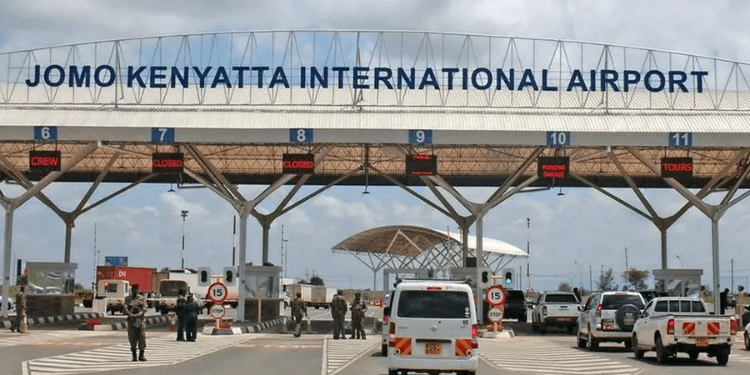
Photo of Jomo Kenyatta International Airport (JKIA). PHOTO/NMG