Coca-Cola Warns Kenyans to Brace for Increased Soda Prices Under New Tax Plan
Share
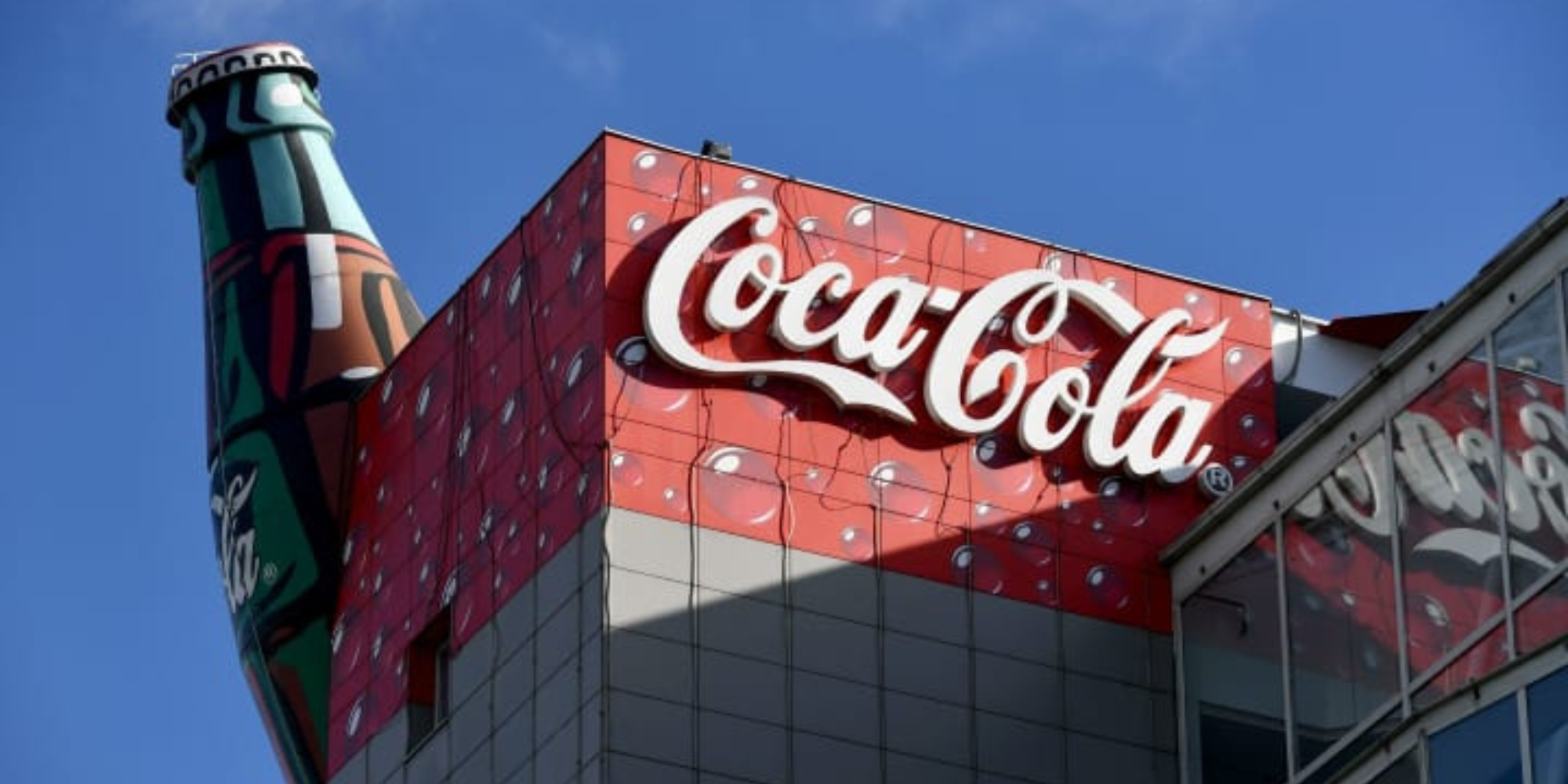
Multinational beverage manufacturer The Coca-Cola Company has warned that proposed tax measures contained in the Finance Bill, 2026, could trigger significant increases in juice prices, disrupt regional trade, and pile pressure on Kenya’s manufacturing sector.
The company made its submissions before the Departmental Committee on Finance and National Planning on Tuesday, May 26, where it opposed clauses targeting imported glass materials, regional trade exemptions, plastic levies, and sweetened juice products.
Coca-Cola argued that the proposals would not only raise production costs for manufacturers but would also ultimately hurt consumers and reduce tax revenues collected by the government.
Stakeholders appearing before the committee maintained that the proposal to remove exemptions shielding East African Community imports from excise duty would heavily punish local manufacturers that rely on regional supply chains to sustain operations.
“Hon. Chair and Members, local operations remain entirely insufficient to fully meet the volume, specification, and supply continuity requirements, meaning manufacturers have no near-term alternative but to rely on regional trade channels to keep production lines running”, Coca-Cola told the committee.
Issues Pertaining to Glass Importation and Regional Commerce
Anjarwalla & Khanna Law Firm Ltd. also testified before the lawmakers in favor of preserving the existing duty exemptions granted to products produced by East African Community Partner States adhering to the EAC Rules of Origin.
According to the firm, Clause 36(a) of the Finance Bill seeks to remove long-standing exclusions that currently shield qualifying regional imports from excise duty.
The proposal would affect imported glass bottles, float glass, polished glass sheets, kraft paper, paperboard labels, and plastic sheets sourced from neighboring EAC countries.
“While the proposal may enhance domestic revenue collection, it may also discourage intra-EAC trade, disrupt established regional supply chains, and increase production costs for downstream industries that rely on competitively priced regional inputs,” the firm noted.
Lawmakers Seek Balance Between Protection and Integration
Members of the Finance and National Planning Committee acknowledged the complexity of balancing the protection of local industries with compliance under regional trade agreements.
Committee Chairperson Kuria Kimani stated that lawmakers were concerned about ensuring Kenya does not violate EAC protocols while at the same time safeguarding domestic manufacturers from unfair competition.
“The Challenge we have with this proposal is that we have cases of lack of reciprocity among EAC Member states. There’s a need to involve the Ministry of East African Affairs so that we are careful not to injure our relationship, while also safeguarding our local industries,” Kimani stated.
Committee Vice Chairperson Benjamin Langat questioned whether stakeholders would consider a reduced excise duty rate instead of a complete exemption.
“You say there is a glass shortage in the country. Granted, since you say 35 per cent is too high, would you be agreeable to a rate of 25 per cent?” Langat asked ALN.
However, the law firm maintained that goods originating from the East African Community should not attract excise duty under the principle guiding regional trade arrangements.
Other legislators shifted focus toward strengthening local manufacturing capacity to reduce dependence on imports.
“We have high deposits of raw material for glass making, especially in Kitui County, where I come from. Why are we still importing glass from Tanzania?” Mboni asked.
Also Read: Will Finance Bill 2026 Make Bottled Water Expensive? Mbadi Clarifies
Juice Tax Proposal Sparks Fresh Price Fears
At the same time, Coca-Cola strongly opposed a separate proposal under Clause 36 seeking to introduce a Ksh 20 per litre excise duty on sweetened juice products.
The company warned that the proposed measure would increase excise duty on juice products by 41.5% and force manufacturers to pass the burden directly to consumers through higher retail prices.
Coca-Cola told MPs that the tax would have severe consequences beyond supermarkets and urban consumers, particularly affecting farmers and agricultural supply chains tied to juice production.
“Fruit juice manufacturing in Kenya is not a standalone industrial activity; it supports three other subsectors that collectively sustain livelihoods across the value chain,” Coca-Cola said.
The company noted that juice manufacturers provide a critical market for thousands of smallholder farmers, including mango growers who heavily depend on juice processors to purchase their produce.
“It is the primary commercial offtake for small-holder farmers, for instance, mango farmers who have no comparable alternative buyer for their produce. Consequently, the proposed excise increases on juice, and the resulting decline in consumption volumes, would lead to reduced procurement of juice puree and, in turn, lower demand for fruit from farmers,” the company further observed.
According to Coca-Cola, meeting the additional tax obligation would require the juice business to absorb an extra Ksh 165.3 million in 2026 alone.
The company warned that manufacturers would likely respond by increasing retail prices by between Ksh 5 and Ksh 10 per standard juice pack.
Follow our WhatsApp channel for instant news updates

President William Ruto signing the Conflict of Interest Bill into law at State House Nairobi on July 20 2025. PHOTO/PCS