What Students Should Know About HELB Scholarships and Bursaries
Share

HELB scholarships and bursaries support students pursuing higher education in Kenya through a structured funding system that prioritizes financial need and programme costs.
The Higher Education Loans Board (HELB), under the Higher Education Financing (HEF) model, funds students in universities and TVET institutions through scholarships, loans and bursaries.
Firstly, the system promotes equity by assessing applicants based on household income and financial need, ensuring that support reaches students who need it most.
Secondly, the agency awards scholarships as non-repayable funding, and it combines them with loans and household contributions to meet the total cost of education.
In addition, the board offers bursaries to students from vulnerable and low-income backgrounds, which helps reduce tuition pressure and related academic expenses.
Also Read: Locations of Huduma Centres Where Students Can Get HELB Assistance
How HELB Determines Student Funding
The agency applies the Means Testing Instrument (MTI) to evaluate each applicant before assigning funding.
The tool assesses household income, number of dependents, and socio-economic conditions.
As a result, the agency matches students with appropriate support levels based on real financial need.
After assessment, HELB places students into funding categories that determine how scholarships, loans and household contributions share education costs.
Also Read: How to Download HELB Loan Statement and Manage Repayment
Funding Structure: Five Bands
Here, HELB organizes student funding into five bands to ensure fairness and transparency:
- Band 1 (Vulnerable students) receive the highest support, with 70% scholarship, 25% loan, and 5% household contribution.
- Band 2 (Extremely needy students) receive 60% scholarship, 30% loan, and 10% household contribution.
- Band 3 (Needy students) receive 50% scholarship, 30% loan, and ~20% household contribution.
- Band 4 (Less needy students) receive 40% scholarship, 30% loan, and 30% household contribution.
- Band 5 (Able students) receive 30% scholarship, 30% loan, and 40% household contribution.
This structure ensures that government support increases for students from low-income households, while families with stronger financial capacity contribute more toward education costs.
Students apply through the official Higher Education Financing (HEF) portal and submit accurate personal and academic details.
Finally, the Agency then reviews each application and assigns funding based on verified information.
To avoid delays, students must ensure they fill in all required details correctly and meet the stated deadlines.
Follow our WhatsApp channel for instant news updates
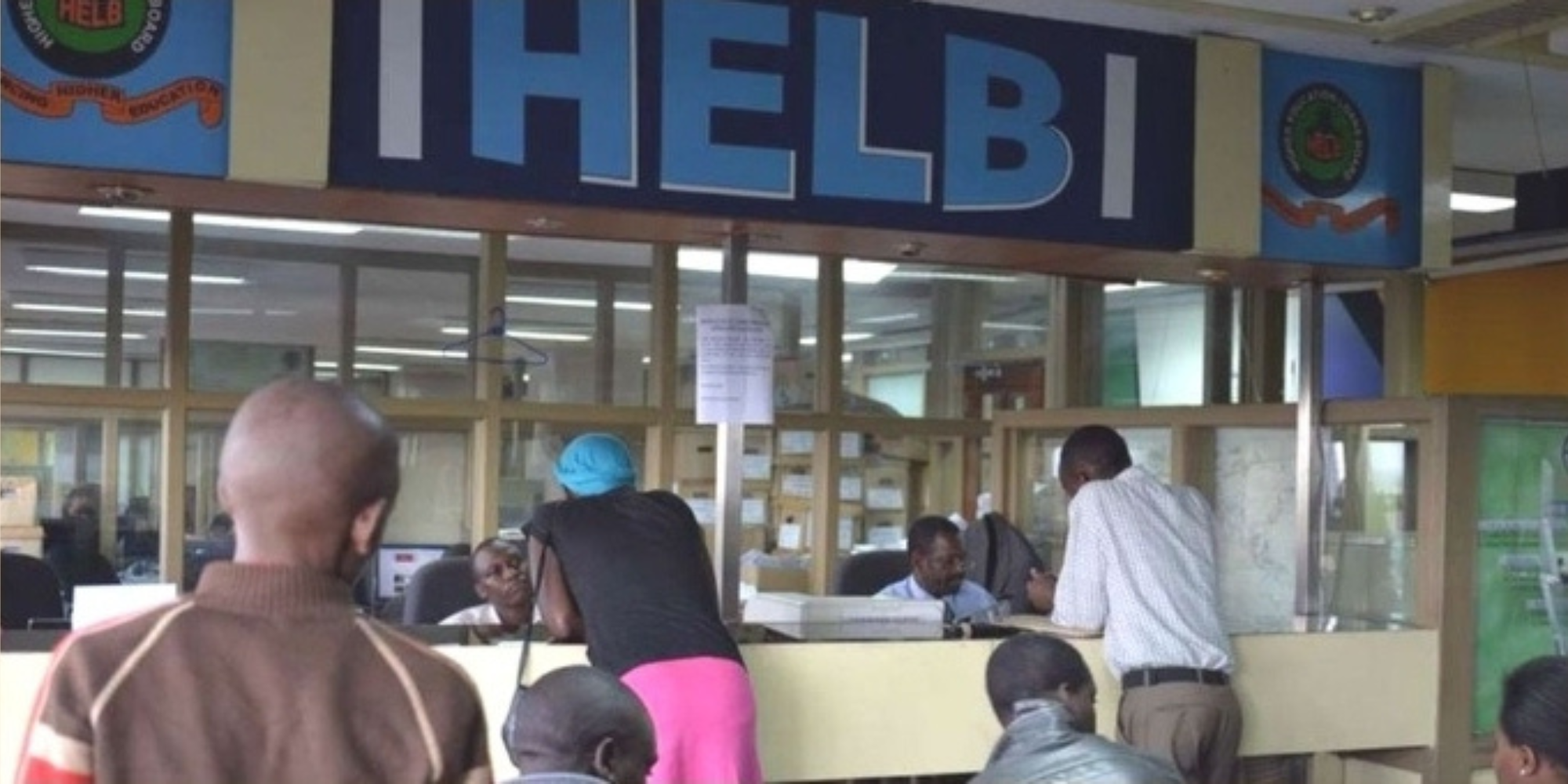
Students getting Services from HELB offices. PHOTO/ HELB